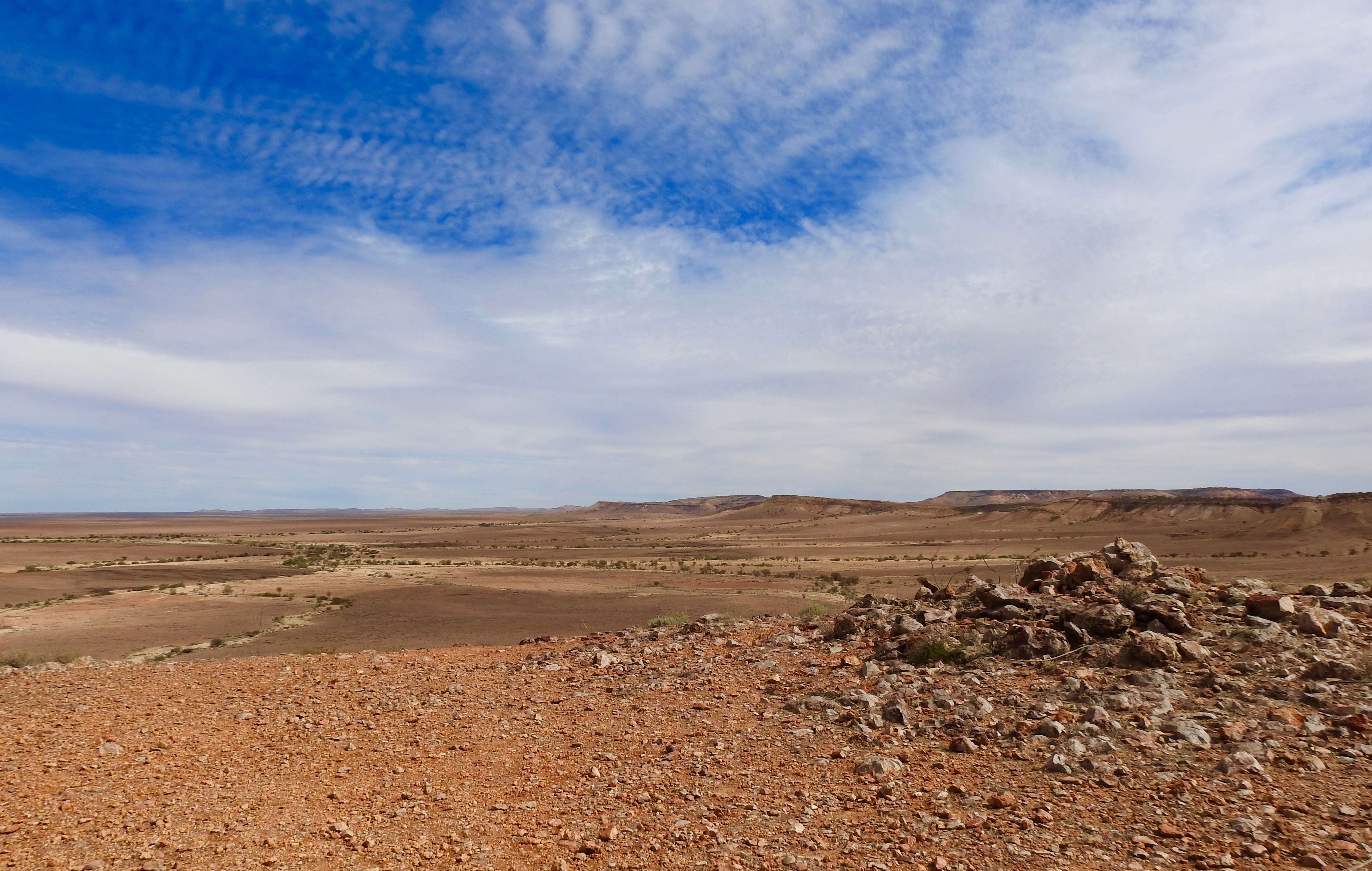
I love our desert country, so harsh, yet so fragile…
Photo: Baz – The Landy, “Jump up Country” North-West New South Wales, Australia
Photo: Baz – The Landy, “Jump up Country” North-West New South Wales, Australia


The attraction is the permanent water source of Lawn Hill Creek. During arid times, when other sites where abandoned, this area was like an oasis in the desert for aboriginal people, Australia’s first people, who gathered here to camp, fish, and hunt.
Janet, TomO, and I have explored this region previously, but it has drawn us back like a magnet on many occasions, and being in North Queensland I could not resist the lure of another visit, to walk through the country and swim in Lawn Hill Creek.
In the Dreamtime stories of the Waanyi people, “Boodjamulla” is a spiritual person, the creator of all animals.
In the words of the Waanyi people…
“He made all the animals in the Lawn Hill area, and all the billabongs such as the green swamp, and all the bush tucker. Boodjamulla’s dreamtime travels started in Waanyi country at Cabbage Tree Spring, up above Riversleigh, giving water to O’Shanassy Creek, Lawn Hill Creek, the Gregory River, Louie Creek and Lilydale Springs.
Waanyi believe that Boodjamulla created these rivers as healing waters – known in Waanyi language as Bougli Water”…
Perhaps for the Waanyi people, the “Bougli Waters” has a different interpretation, but I certainly found the cool spring fed water of Lawn Hill Creek soothing after a day of walking in the gorges and climbing the Constance Range.


As a base for this trip I stayed just outside of the national park at Adels Grove, a private campground that we first visited in the early 1990s. Not much has changed over the years, and that is a good thing.
Adels Grove was declared a ’Miner’s Homestead Perpetual Lease’ in 1920, being within the Burketown Mineral Field at that time.
According to the history provided by the current owners, Adels Grove lease was purchased by Albert De Lestang, a French botanist, who experimented with the growing of tropical trees and fruits and had in excess of 1,000 trees and sold the fruit to supplement his income.

Tragically, in the early 1950s the ‘Grove’ and buildings were accidently burnt down. By this time Albert was in his seventies and after loosing everything, including all of his written records, he succumbed to depression and died age 75 at Charters Towers in 1959.
‘The Grove’ has certainly provided shade and comfort from the heat of the winter sun during my stay, with temperatures reaching up to 36 degrees throughout the day and around 15 degrees at night…
Apart from the rugged and rocky outcrops surrounding the gorge, the country has a prolific amount of wildlife. This includes the Johnstone’s crocodile or Freshie as it is usually known, turtles, the olive python, a large variety of birds, and a favourite of ours, the Gilbert Dragon, or Ta-Ta lizard due to the peculiar little wave it gives with its front legs before scampering away.


I managed to photograph some of the wildlife on my walks and at other times, simply sat back and enjoyed the calls of the birds flittering through the trees, and of the birds of prey soaring overhead.
And yes, I did swim with the Freshwater Crocs. Unlike their Saltwater cousins, the Freshie’s are generally timid and will leave you alone, if you stay out of their way…!
Boodjamulla National Park, truly an Oasis in the Desert in Australia’s Gulf Savannah.
Photos: Baz – The Landy, in the Gulf Savannah, Northern Australia…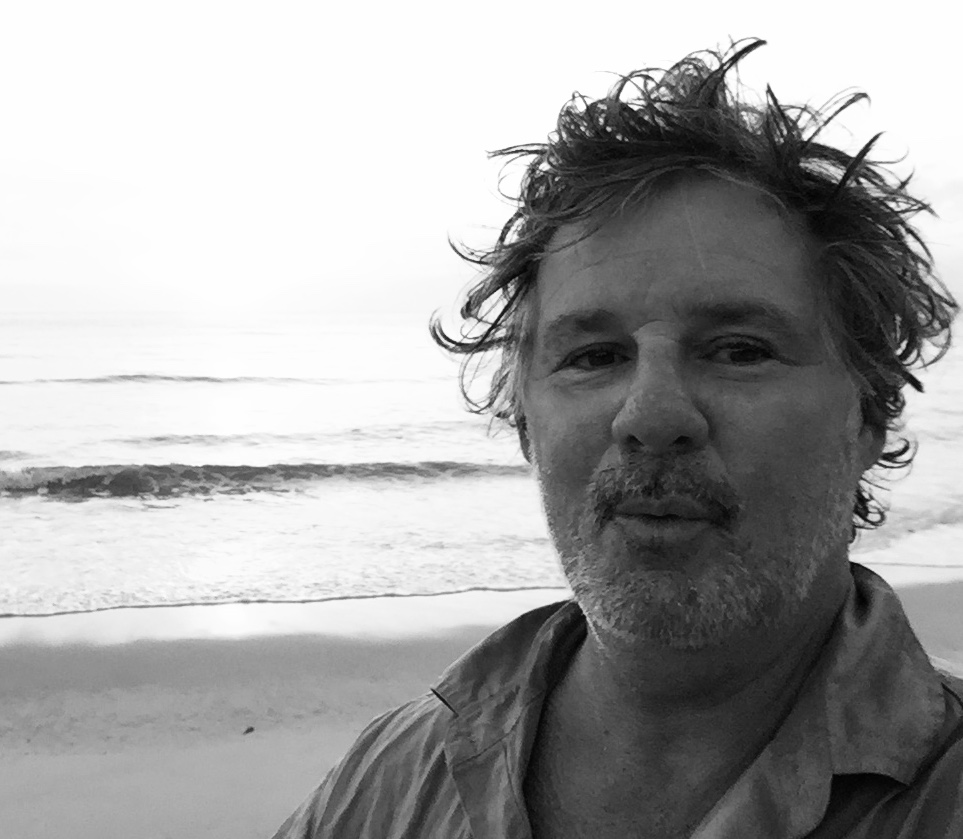


And hey, take my word for it…!
I worked in Malanda in the late 1970s and lived in this very pub.
Today, I had my first meal in the Malanda Hotel in almost 40-years and I am pleased it is still owned by the same people, the English family, and it is as grand as I always remember it. And how good is that silky-oak timber.
Um, yeah, a touch of reminiscing going on here…!
But hey, the past is what makes up the mosaic of whom we are today, right…!
Cheers, Baz – The Landy, in Far North Queensland…


Ahead of this week’s hike on Hinchinbrook Island I came across one such story as related by a Traditional Owner from the Girramay people. The Girramay come from the lands surrounding Cardwell, in Queensland and this story is common to a number of groups in the region.
A great story to kick-off my hike with!
“An old, old story from long time ago…
Girugarr, we call that bloke the first surveyor, he named all the country, he come from across the sea, we don’t know where he came from. He look like man on top and he got long tail like an eel.
Girugarr comes from across the sea and he stop there on Palm Island, his first foot print is there at Mundy Bay.
The earth was hot and when he put his foot down there was a little bit of splash on the mud, it’s on a rock over there.
He speaks to the old people there, growls at them, “what are you doing?”
Girugarr comes up the channel.
When he comes through the sea up to Hinchinbrook Island there are no waves in that sea. He finds all the old people cutting a candle nut tree down and he asks them what are they doing.
They’re telling him in Guwal, the traditional language, “we are cutting this tree down to find witchetty grub”.
In Guwal the tree is called gabura.
The sea was calm.
That gabura tree it stand up tall and when it falls down into the water it creates waves for the first time…”
Thanks to Marcia, a Traditional Owner, for sharing a part of this wonderful dreamtime story from long time ago.
If there are waves on the passage as I cross to Hinchinbrook Island I will be able to reflect on the dreamtime story of the Girramay people – how good is that, hey.
Photos: Baz – The Landy, Cardwell, Far North Queensland…!


Making my way north towards a hike on Hinchinbrook Island, bit in the meantime, I’ve been Out and About on the bike in Townsville…
Yep, you’re right, wouldn’t be “dead for quids’
Cheers, Baz – The Landy, in Townsville, North Queensland.

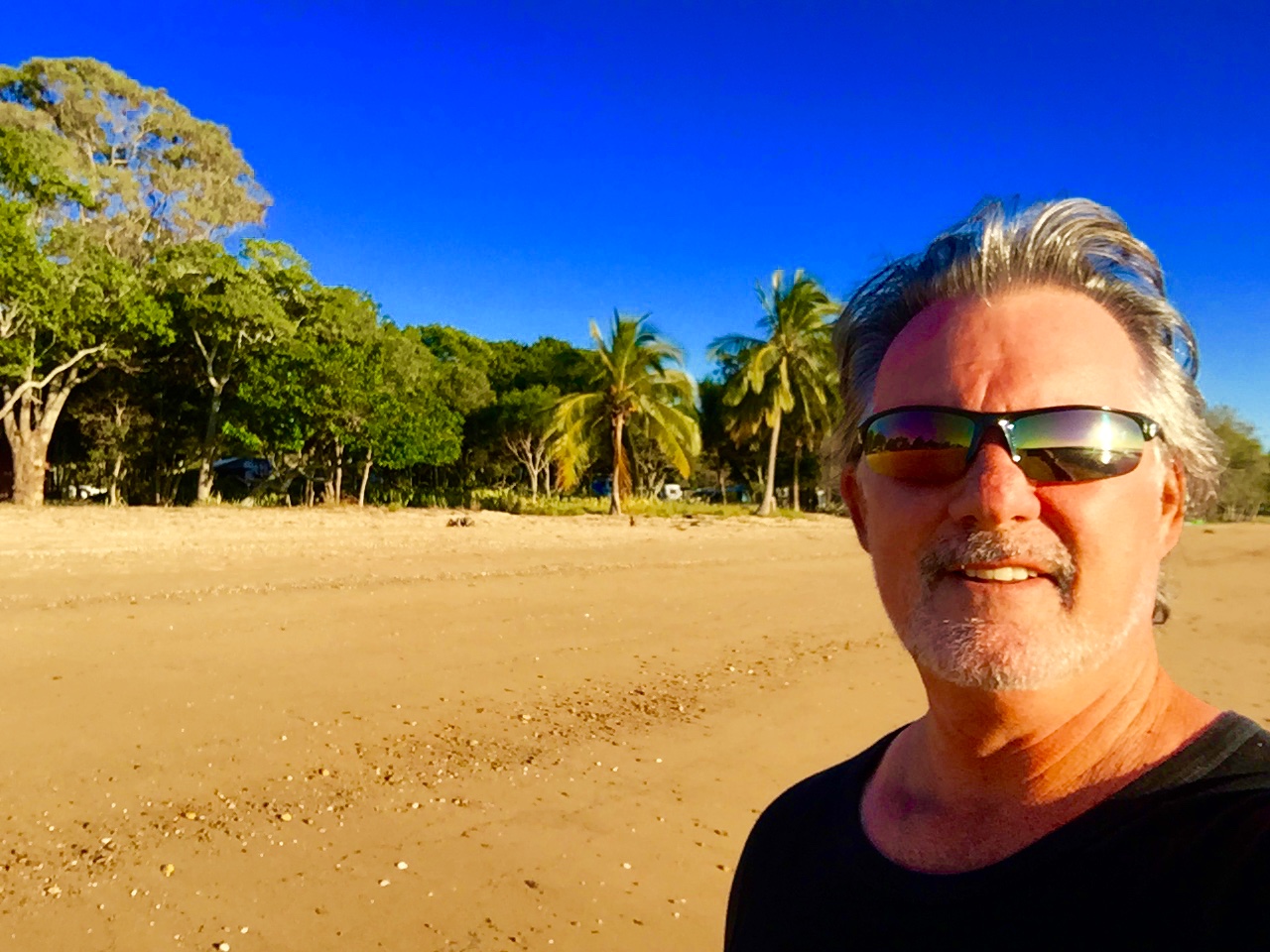
I’ve been reflecting on this statement as I head to North Queensland, especially given there has been some endless driving following the white line on the bitumen road, affording plenty of “thinking time”.
And yes, for sure, I will get off the bitumen eventually and back out into the bush, the outback and some “red dusty roads”.
Mind you, it is quite pleasant travelling the coastal route and I’ve managed to spend time sitting back with a book gazing out across the water as I make my way towards Hinchinbrook Island for a few days of hiking, followed by a trip to Cape Melville, halfway up to the tip of Cape York.


Back to that statement though…
As many will recall, I recently “graduated from work” having decided there was more to life than joining the traffic jam on my way to work, only to do the same thing some (too many) hours later to get home.
Did it truly make me happy?
Perhaps the security of a weekly pay-cheque provides an illusion of happiness, but now that I have let that go and started to focus on “living in the moment” I’ve discovered far greater riches than a financial outcome can ever provide.
Yep, I have concluded that there is far more to life than work…
And hey, let me tell you Janet-Planet and I will be putting the “more to life than work” theory to the test as much as we possibly can.
Perhaps some will disagree with the proposition achievement leads nowhere; makes no difference at all, but as we all take our last breathe in this lifetime, we’ll all be equal, what we’ve achieved will mean little at that point – but being happy to that last moment will be priceless.
Well, at least that is my take on it, but whatever your view, just be happy now – strewth, that is my motto these days…!
Photo: Baz – The Landy, on the beach at Clairview, Queensland.
Ps: Yes, the last you heard from me I was in England, but I am back travelling the country I love. And don’t be alarmed if you don’t hear from me from time-to-time, the beauty of where I am travelling to be is no communications!


Photo: Baz – The Landy, Moreton Island, Australia

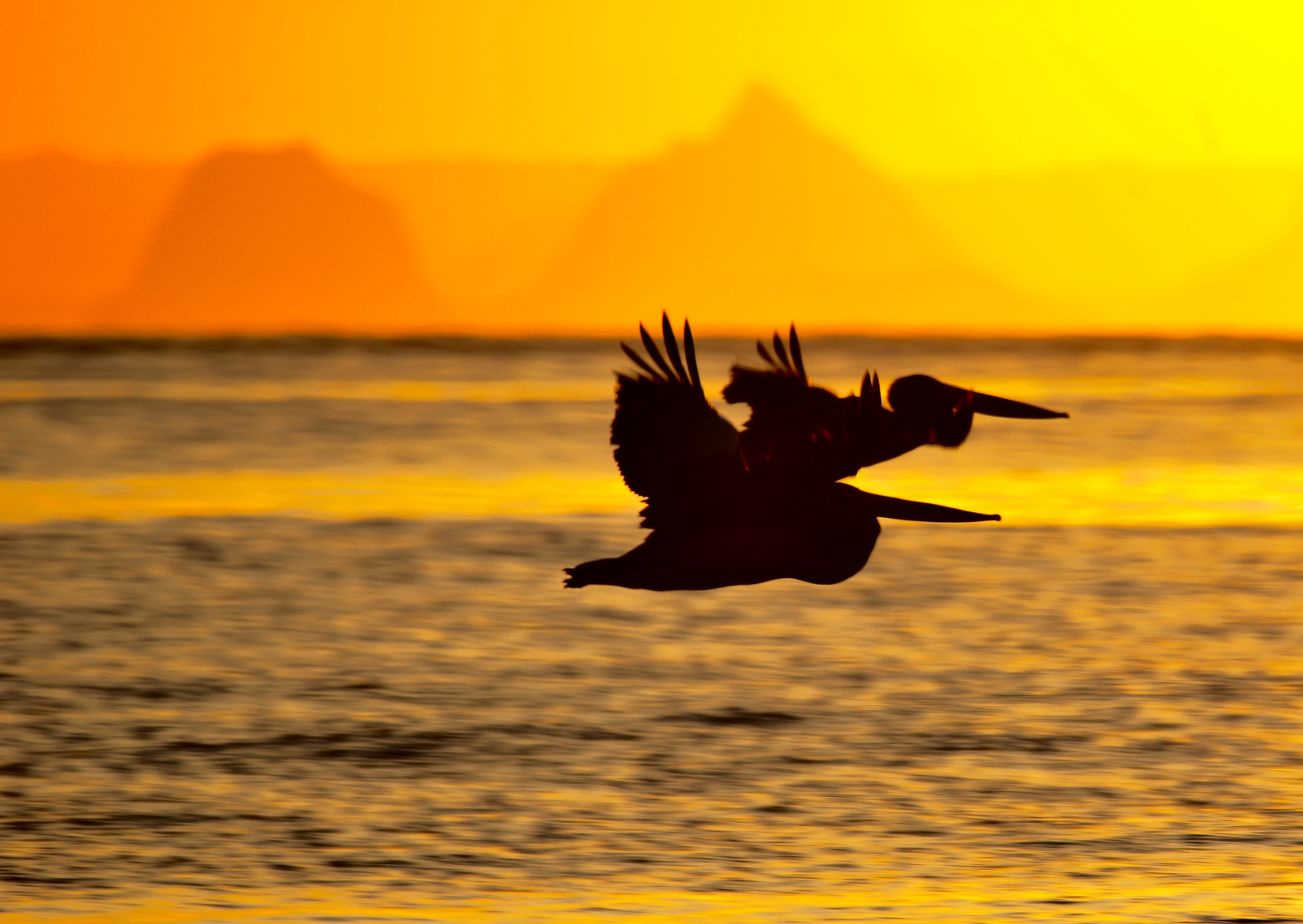
From the top of Mt Ngungun (pronounced “Noo Noo”) and from the beach on Moreton Island as the sun slipped below the western horizon, casting a wonderful golden glow over Moreton Bay and providing a beautiful silhouette to Mt Tibrogargan and Mt Beerwah…


Inhabited by Australia’s first people for thousands of years the craggy peaks that stand tall over the region are so significant that they are listed as a “landscape of national significance”…
And hey, what a wonderful backdrop for two pelicans as they glided off into the sunset.
Strewth, you wouldn’t be dead for quids, hey…!
Photos: Baz – The Landy, South-East Queensland, Australia…


In the language of the Gubbi Gubbi people, Ngungun means “faces” and is pronounced “Noo Noo”…
Photo: Baz – The Landy, Australia…

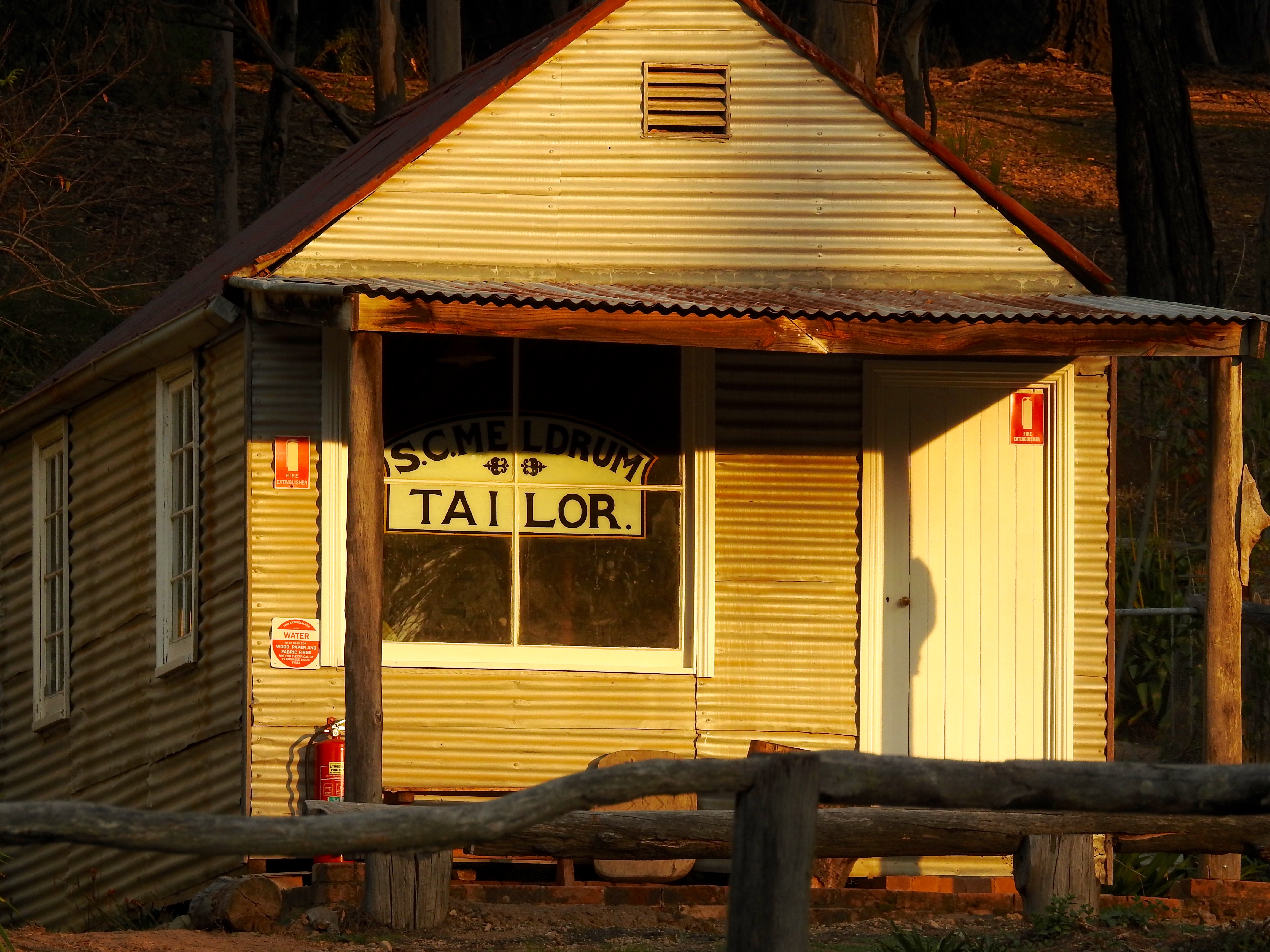
Your mind’s eye is a wonderful gift that enables you to indulge your own thoughts, to pause and reflect…
Sitting around the fire later that evening, embers glowing a soft orange and providing warmth against the chill, I wondered, what thread did the tailor weave in this once thriving bush community…?
I’ll leave you to reflect…
Photo: Baz – The Landy, Yerranderie, Australia…


In reality it is about a six-hour drive, depending on the route you take.
Recently, I travelled via Oberon, the Kowmung River and along the historic Colong Stock Route. A dusty, but scenic route, and I was sure to wile away some time sitting next to the Kowmung River with a mug of steaming black tea as black cockatoos passed overhead…

With a few days up my sleeve I decided to spend a couple of them exploring, photographing, and hiking around the wonderful bush surrounds the town is situated in.
My visit was mid-week and I literally had the place to myself, apart from the caretaker who lives on-site. And the only sound one could hear was the constant chiming of the bellbirds’ call, ringing as they flittered through the trees.
The town is nestled beneath Bartlett’s Head, an impressive rock that stands proud and from its vantage point provides a wonderful panoramic view of the surrounding bush and the Kanangra Boyd Wilderness Area.
The hike to the top is well worth the effort and takes little more than an hour.


And at day’s end there is a rich golden glow as the setting sun reflects off its cliff walls before it glides below the mountain peaks, beyond the horizon, heralding in nightfall as wombats awaken from their daytime burrows…

From Bartlett’s Head you can view the Burragorang Valley and backwaters of Warragamba Dam, which provides Sydney with its water supply.
Prior to the construction of the dam in the late 1950s the Burragorang Valley was home to a small farming community and it provided a more direct access route to Yerranderie from the township of Camden to Sydney’s south-west.

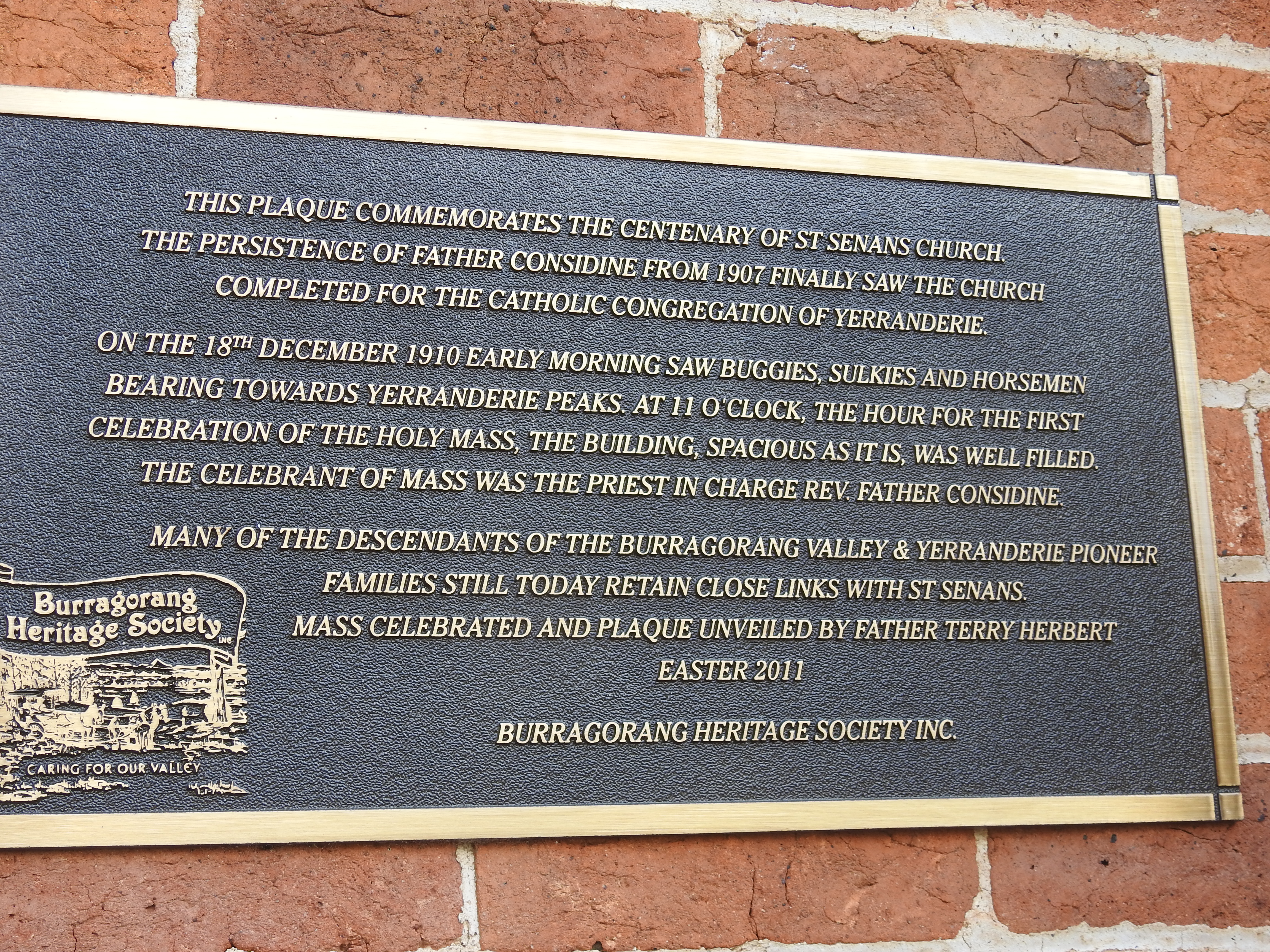 Yerranderie has a history closely linked to the people of Burragorang Valley…
On Easter Sunday a service is held in the local Catholic Church to commemorate the pioneering people of the valley and their association with the town.
An opportunity for old friends to “catch-up”…
Whilst it is a reasonable trek to get to this little gem in the Australian Bush, if you have an adventurous spirit, enjoy a freshness in the air that only the mountains can provide, and a day or two to spare, I encourage you to pack some camping gear and your favourite bottle of red wine to share with friends around the warmth of a glowing campfire – better still pack another bottle and stay one more night!
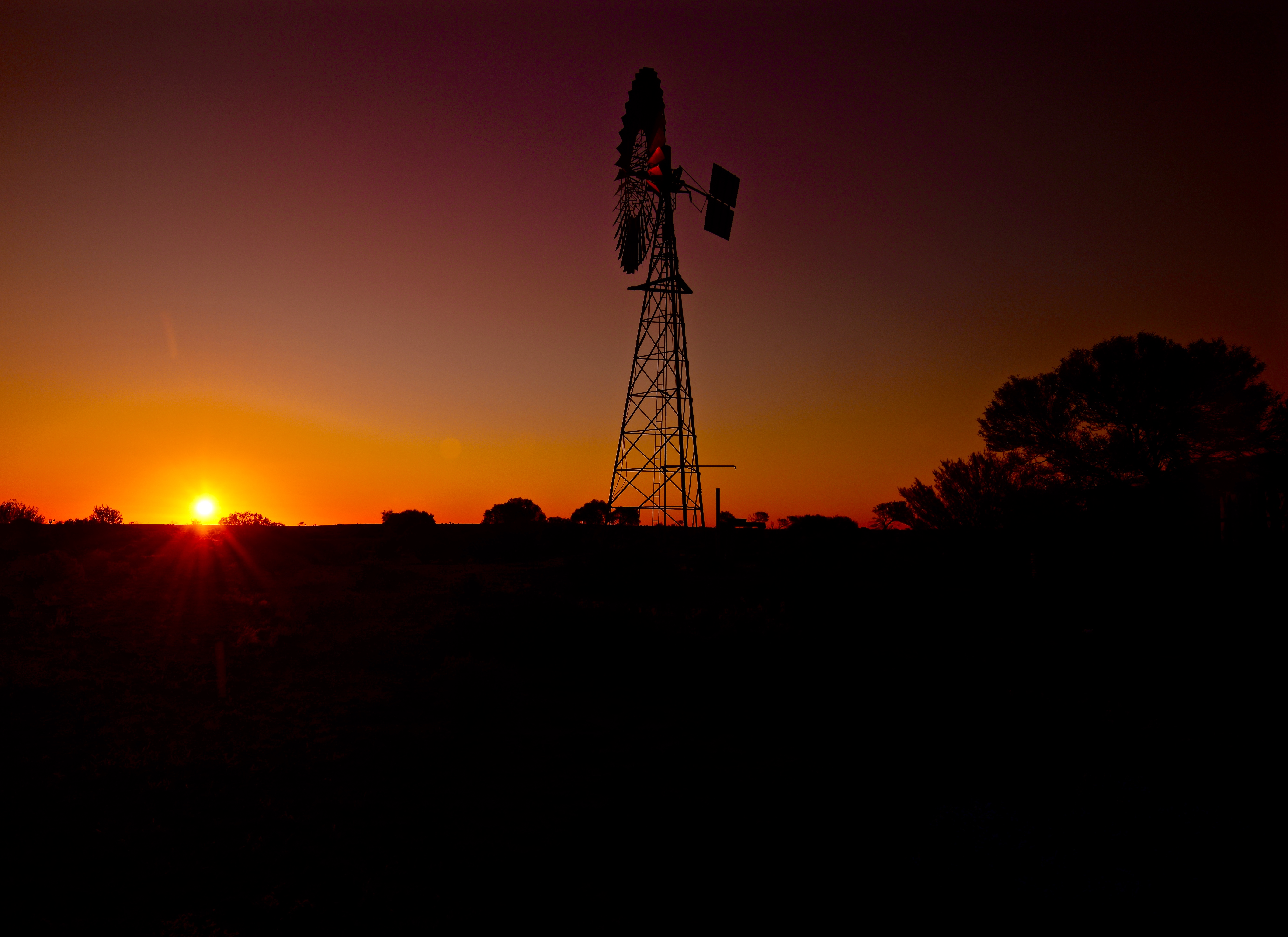
Photos: Baz – The Landy, Yerranderie, Australia…

If you are “Facebook Inclined” please like or follow us to stay up to date with our adventures…and if you like what you see why not share it with your friends!
The more the merrier we reckon…
Cheers, Baz – The Landy and Janet-Planet…


Our touring vehicle “The Landy” is booked in for a major service tomorrow having done 100,000 kilometres of touring this great country of ours over the past three-and-a-half years.
At the end of the week I will be heading off to experience another type of sand country – Moreton Island, just off the coast of Brisbane.
Despite having lived in Brisbane for a number of years, Janet and I have never visited, so Janet has suggested I head off and do a “recce” of it so we can spend some time there together in the future.
Perhaps she is planning some “girlie shopping” ahead of our trip to Devon, in the South of England, during June and July and needs some space!
Moreton Island, which is reached by ferry, has around 400-kilomtetres of sand tracks to be “Xplored”, pristine waters and wrecks that you can snorkel around, and a historic Light-house built in the mid 1800’s…and they say the fishing is great – well I’ll put that to the test at some stage, but knowing my track record the fridge in “The Landy” will be stocked with a few steaks, just in case!
And I will be leaving the TVAN, our touring camper-trailer, at home in favour of swagging it – simple and easy.


The camera gear is packed, so hopefully the weather will be kind on Moreton so I can get “Out and About” and experience a different kind of sand country…
Photos: Baz – The Landy

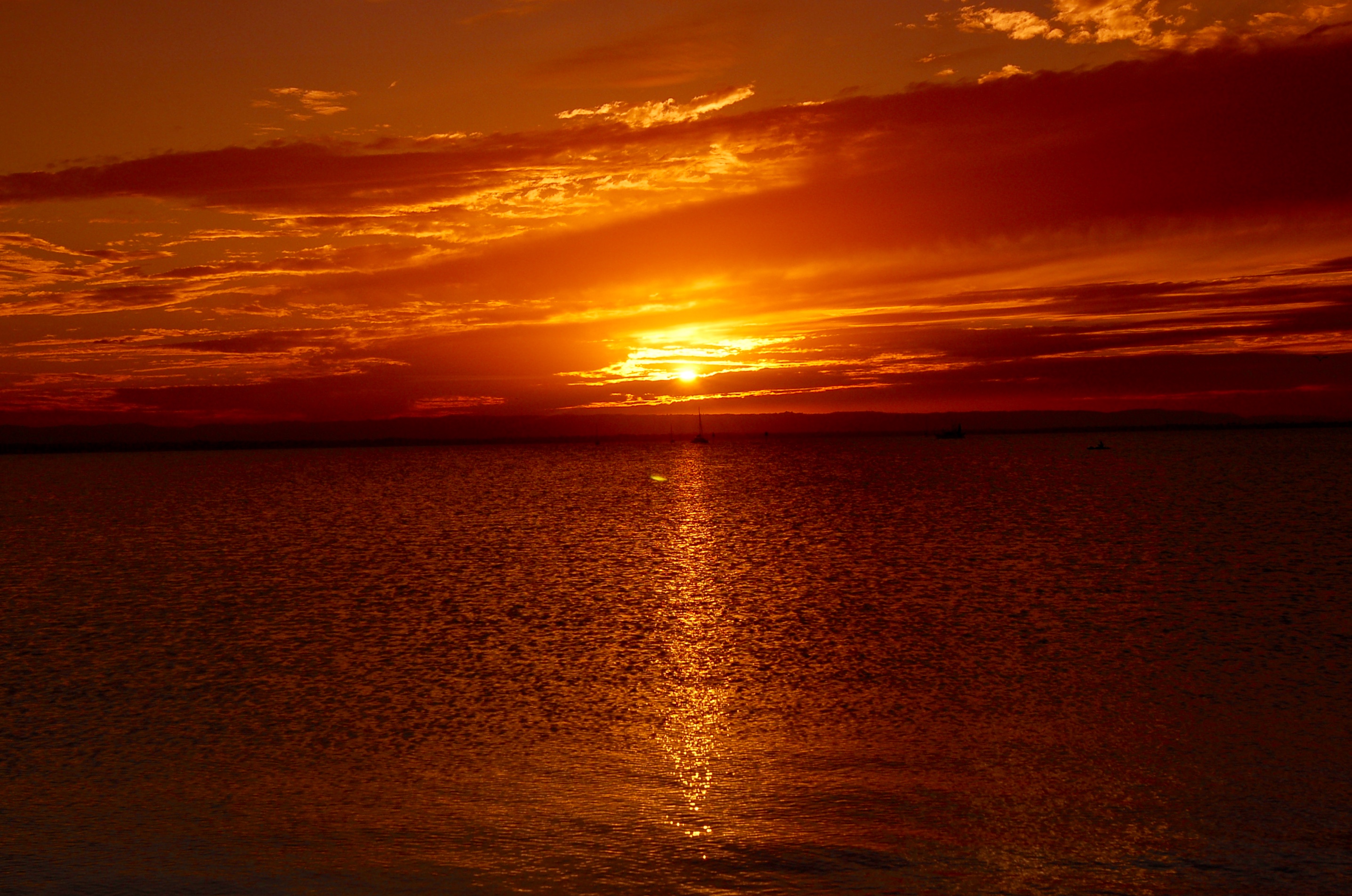 Photo: Baz – The Landy, Deception Bay, Redcliffe Peninsular, Australia


The rattle of machine gun fire ringing out from the bunkers and motorcycle side-cars was deafening as the Germans fought to protect their ground, shrouded for a time behind the white plume of smoke that was by now drifting across the battlefield.
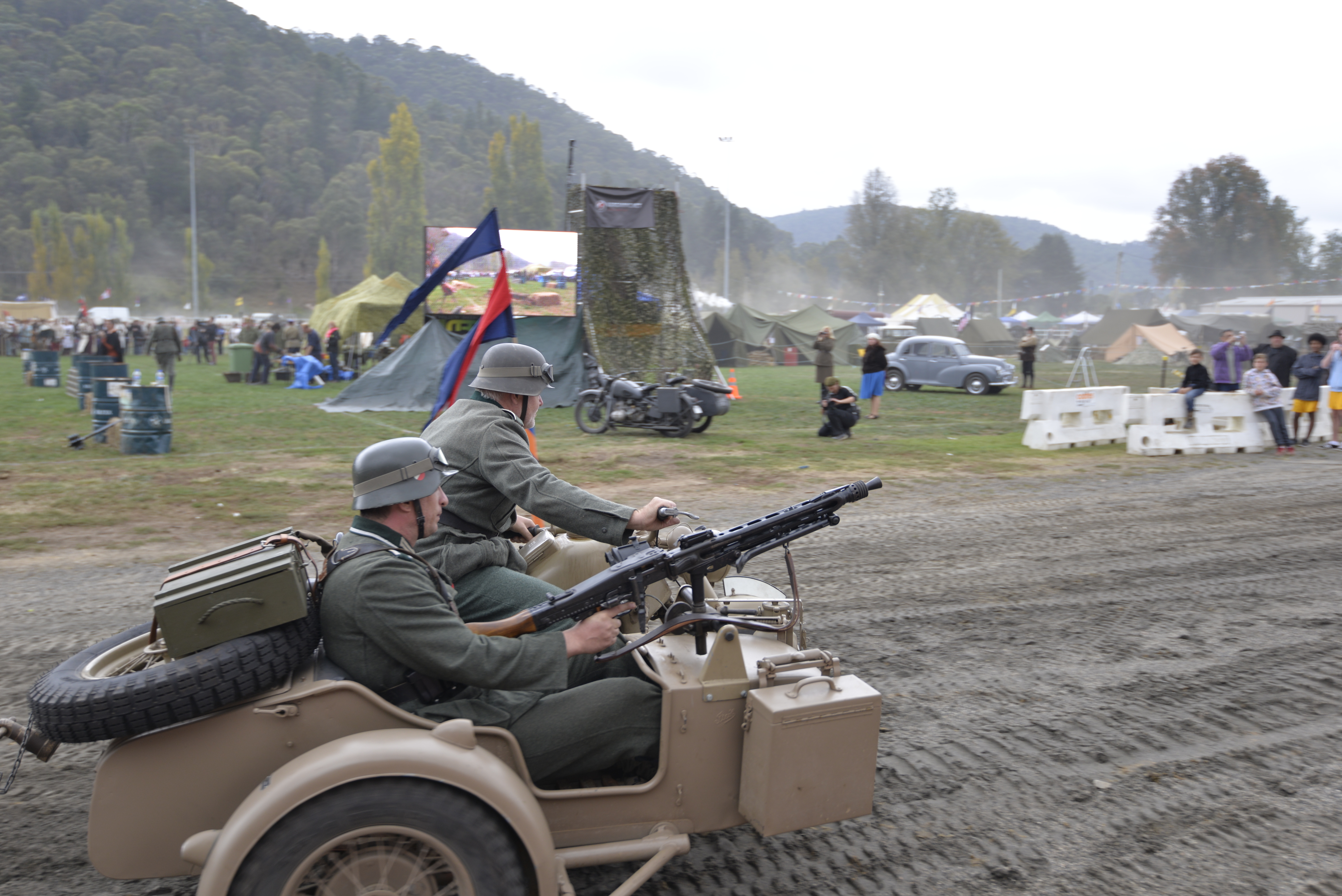
Mind you, some of the soldiers ambushed on “patrol” were a about a quarter-of-a-century too late for the encounter given it was a mock battle between American and German World War 2 forces; the advance party were dressed and kitted out for the jungles of Vietnam…!
But hang-on, what are those Vikings doing on the battlefield?
Didn’t they have their run a few centuries ago marauding and pillaging their way across England?
And aren’t those fancy looking blokes dressed to the “nines” with the feather plumes on their headgear “Frenchies” from the days when Napoleon was barking out orders as he roamed the countryside looking for trouble?

The scene was unfolding at Ironfest 2017 in the Central Tablelands township of Lithgow.
Ironfest is an arts festival that explores the relationship between humans, metal and identity and is held annually at the Lithgow Showground. It brings together artists, designer-makers, blacksmiths, and performers of all kind, musicians, Steampunkers, as well as historical re-enactors and steam-machine enthusiasts from all over Australia…


TomO, the Crown Prince, is a member of Ausreenact, a non-political World War 2 living history organisation made up of members who share a common interest in history and militaria, with a particular focus on the uniforms, equipment and vehicles of the Allied and Axis forces in the period 1939-1945. He re-enacts as a member of the US Forces 2nd Armoured Division and has quite a collection of gear and equipment he has assembled from the era and which he proudly had on display in his “bunker” during the weekend.


Each year Ausreenact, along with a number of other military groups, including those dedicated to Napoleonic re-enactment and Knights from medieval times, are invited to attend and take part in the festival.
No wonder the “battle-ground” was chaotic…
Medieval swords flashed and clashed to the boom of Napoleonic guns that were challenging the armoured vehicles from more modern times.


When the Knights were not swinging their swords in battle they were charging at each other in a medieval jousting match.
And here I was thinking how macho I must look wielding the whipper-snipper with menacing precision each time I trim the moraya hedge at home. Strewth, talk about starting to feel just a tad inadequate.
So I’ll just move on…
Away from the “battlefields” there was the sound of iron striking iron on anvils as blacksmiths demonstrated their craft, beads of sweat rolling down their faces as they forged metal into works of art.


And hey, what about all those Steampunk people…?
Steampunk I hear you ask? I too had to look up the definition of a “Steampunker” and I am still not sure I have it right.

One of the best definitions for a Steampunker I have come across is from Jess Nevins, author of the Encyclopedia of Fantastic Victoriana (it hasn’t come up on my book club read list yet) who said…
“Steampunk is what happens when Goths discover brown.”
The costumes were as varied as the people that dressed in this fashion genre inspired by the Victorian era of steam and industrial machinery. I think it was the default costume for many who attended the festival.
But the Steampunkers seemed a happy bunch even if the women’s corsets appeared three sizes to small and their mode of transport was from another age if not simply strange…


Without doubt this weekend is possibly the two days of the year the various groups can safely come out from behind closed doors and still look normal; safety in numbers, so they say.


The activity was as diverse as it was frenzied, but somehow it all worked and integrated in a way that you would not think possible and I even got to take Janet-Planet on the cruise she has always wanted to do…
On the infamous “Love Boat”…


Photos: Baz – The Landy & Janet-Planet, Lithgow, Australia…

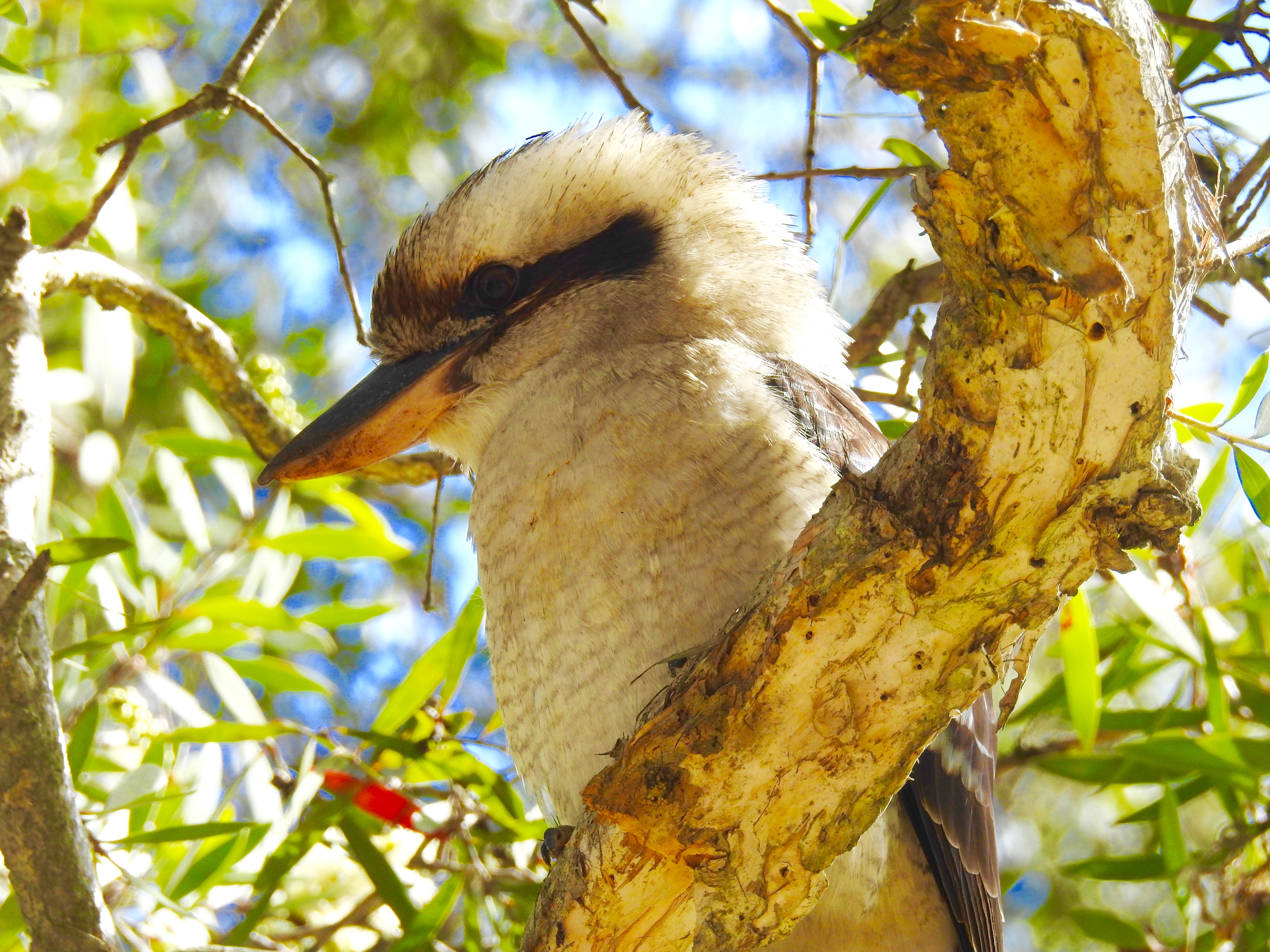
The Kookaburra’s bush anthem rings out, typically at 4:30am every morning, but hey, what would Australia be without them..
Photo: Baz – The Landy, Out and About in the Australian Bush….


As part of TomO’s school curriculum he does military cadets and is keen to advance to a full military career in the future and this coming week he is off to an army cadet camp at Singleton Army barracks in the Hunter Valley.
And this year I get to tag along and join in the adventure, although I suspect for me it will be peeling sacks of potatoes and onions to feed the “starving” cadets who will number approximately 330.
Mind you, a week in the bush is right up my alley and with a bit of luck I get to drive one of the army trucks and take a ride in a black-hawk helicopter – such is life in the “retired ranks”…
Speak to you in a week, Baz – The Landy
Photo’s: Janet-Planet


Currently, there is an exhibition of wonderful sculptures, hand-crafted by talented artist’s of all backgrounds, in a picturesque harbourside park with sweeping views of the city and the iconic Sydney Harbour Bridge. We spent a morning wandering around Clarke Reserve at Woolwich, an old historic harbour suburb where the exhibition is being held, viewing and photographing the many artworks on display.
For us, one stood out…
“So Many Tears” by Keith Chidzey”
In creating this work, Keith used two old wharf timbers and embedded glass tears into the wood.
It was simple, poignant, and a very moving tribute to the artist’s great-uncle, Private Ryles, who perished in the mud of Passchendaele, Belgium, over 100-years ago.
The choice of the wharf timbers is to recognise they most likely witnessed the embarkation of Australian Troops onto ships from the many wharfs dotted around the harbour. Loved ones waving, wiping away their tears as they strained to catch one more glimpse as the troop ship pulled away from the wooden dock.
“We shall remember them…”
Each of the timbers has a carved relief, one of a slouch hat; the other with the inscription on Private Ryle’s headstone where he lays in the cemetery at Tyne Cot.
And, sensitively, one of the timbers is facing the sunset, the other the sunrise.
We reflected on this wonderful piece of artwork, its simplicity amplifying the ultimate sacrifice that too many of our fellow countrymen and women made so we can enjoy the freedoms that we have today; to be able to sit in a quiet reserve on Sydney Harbour’s foreshore in relative safety and free from the anxiety that conflict and war brings.
Bravo Keith, you have created far more than a wonderful sculpture to be admired, it is a wonderful tribute to your great-uncle, to all those who served, and to those who currently serve.
“We shall remember them…”
Photos: Baz – The Landy, & Janet-Planet, Sydney Harbour, Australia

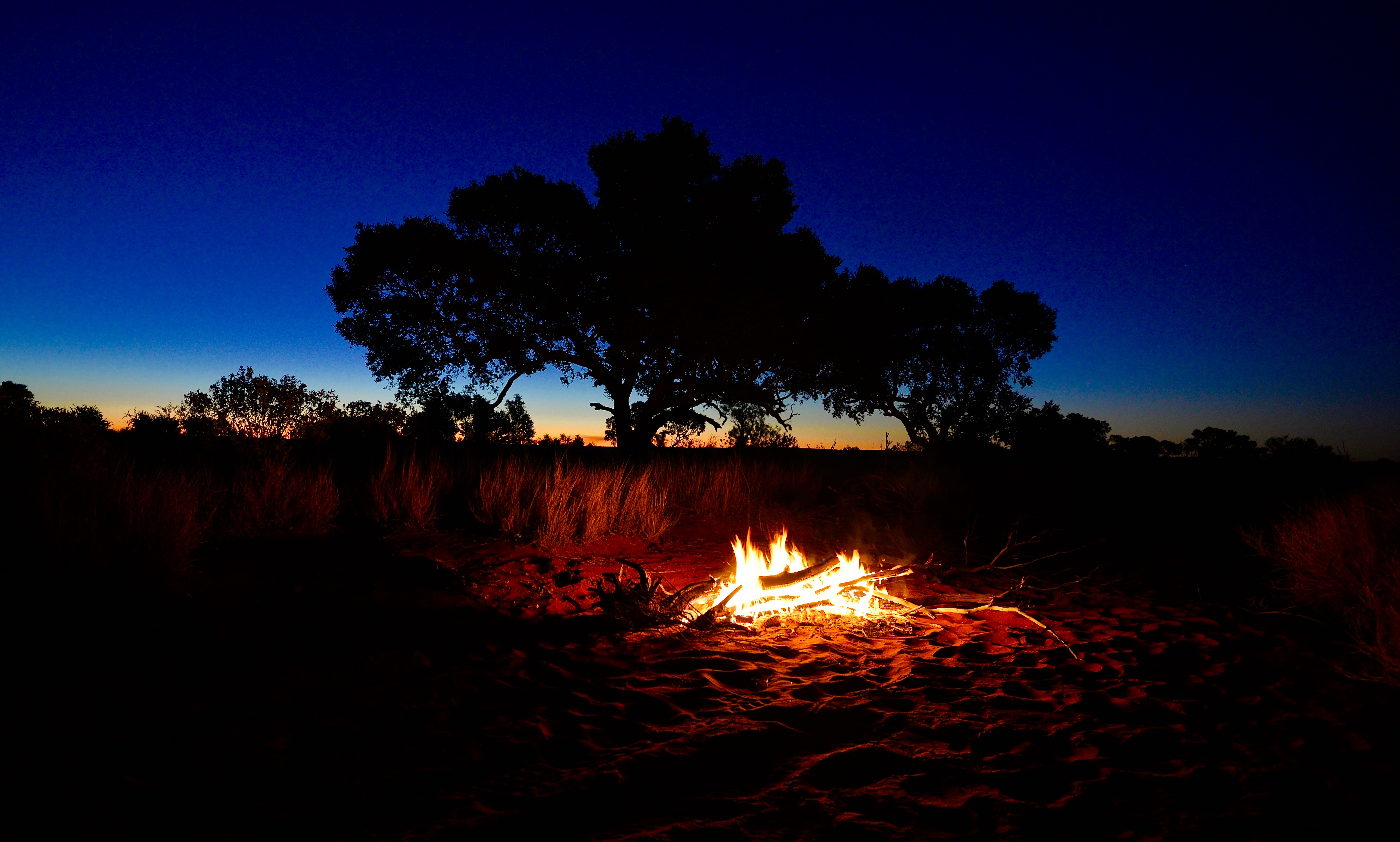
Photo: Baz – The Landy, Canning Stock Route, Outback Australia


Photos: Baz – The Landy & Janet-Planet, Out and About in Outback Australia…

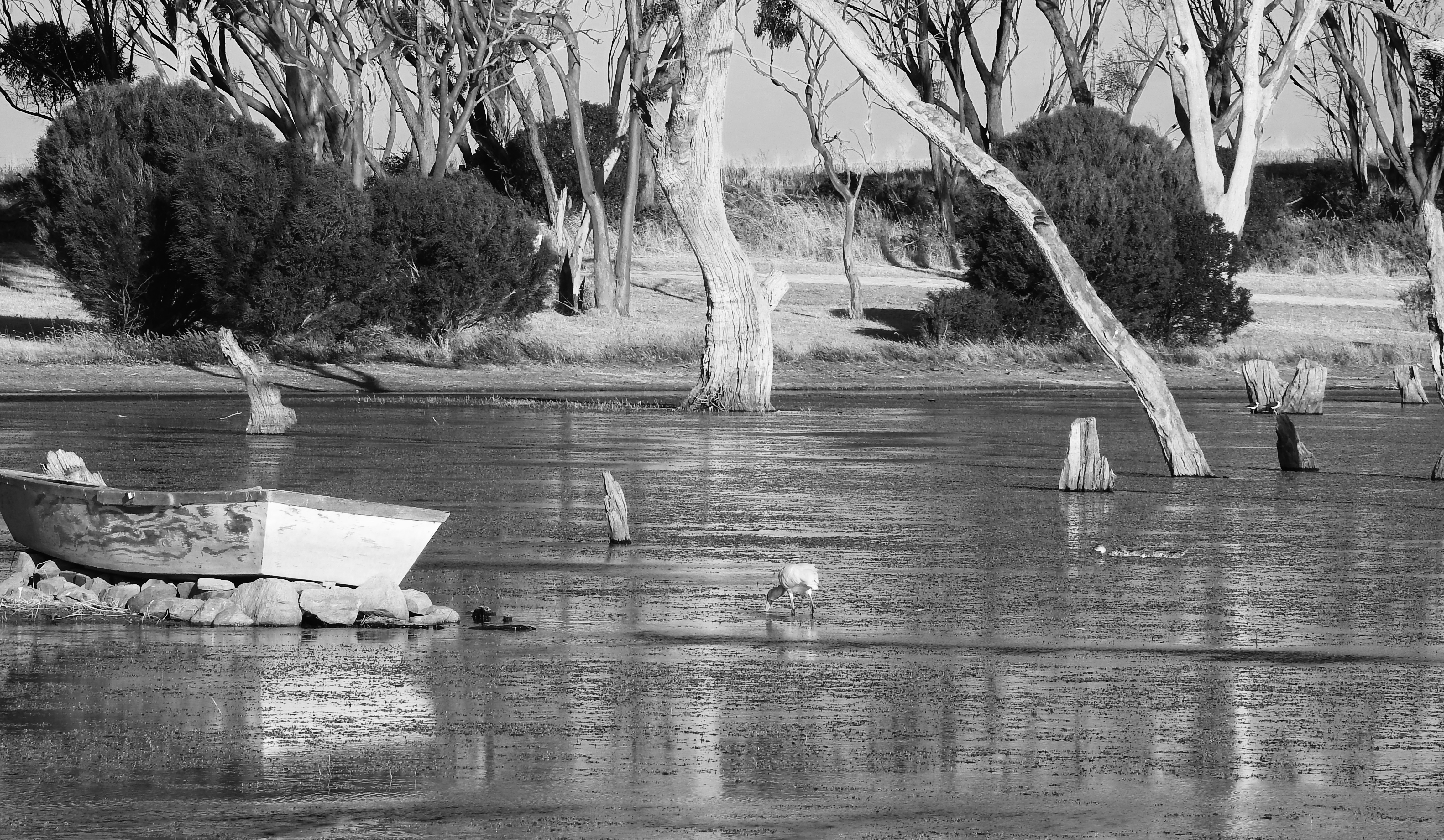
Photo: Baz – The Landy, Kangaroo Island, Australia


Perhaps it is a word for another age, one long past – for me retirement means I have set a different course with my life, reclaiming some of those dreams I have long-held.

After all, you can’t just keep laying “railroad tracks” in the same direction and simply hope you don’t run out of tracks. It is empowering and invigorating to seize control of your life; to make changes as you look to new horizons.
Speaking of which, the Australian Outback beckons and perhaps there are still some mountains that I can climb and plenty of our wonderful coastline left to kayak…


Without doubt this change in my life affords me a better opportunity to claim back my fitness, something that has been lacking over these past couple of years!
It is 42-years since I commenced work with the Bank of New South Wales at age 15-years in 1975. “The Wales” as it was affectionately known was renamed Westpac Banking Corporation following a merger with the Commercial Bank of Australia in 1982.
“Dear Mr and Mrs O’Malley, it is now 6 months since your son entered on probation with the bank.
During that time, Barry has settled into his new surroundings and applied himself to his various duties to the extent he has shown himself suited to bank work…”

And whilst I have left the building today, my official finishing date will be 10 April 2017 and following a significant milestone in the history of the bank.
The 8th of April marks the date 200-years ago in 1817 that the Bank of New South Wales opened its doors to business for the very first time. And those that do the maths will see I have been with the bank for over one-fifth of the time since it took those first deposits from customers.
Coincidently, it was on 10 April 1989 that I commenced working in the bank’s 60 Martin Place Financial Markets dealing room after my return from a secondment to the bank’s operations in Papua New Guinea.
The bank has given my family and me a wonderful life, one that has been filled with the opportunity to develop professionally and personally…
“I am proud of the contribution I have made to the bank and today as I walk out the front doors of Head Office in Sydney, perhaps with moistened eyes, I will look back at the mosaic that is the Bank.
I will remember fondly the people I have worked with over the years, the challenges we faced, the successes we achieved, and, importantly, the laughter and banter we have shared.
I will wish those who remain all the best for their future as they continue to weave the living tapestry that is the bank; as they continue to make their own impression on that mosaic…”
People have asked me, what will you do?
Well, TomO, the Crown Prince, has just started Year-11 at school and I’m looking forward to simply “being around” for him as he navigates his way through these two important remaining years of his high schooling.


And the future, how do I see that taking shape…?
My answer is simple, to spend it with the love of my life, Janet-Planet.
All who know this wonderfully kind person will attest, she is an absolute angel – I was so lucky to marry the girl next door thirty-three years ago.
Yes literally, next-door neighbours making eyes over the back-fence!


Together we plan to enjoy the next chapter in our lives and look forward to watching our TomO make his mark on the world as he paints his own picture on life’s canvas…
A romantic notion?
For sure it is, but Janet-Planet and I are romantics to the core and loving every minute of that, it has kept us young at heart…!
And who knows where those “railroad tracks” will takes us, but sometimes you just need to walk to the edge and not be afraid to peer over it.


We truly believe the world becomes your oyster when you are willing to put your fears aside and simply…
“Live in the moment”
After all, that is the only moment that we can ever truly live…
“Thanks for your friendship and the memories, Big Bad Baz…!”


Photos: Baz – The Landy, Outback Australia…

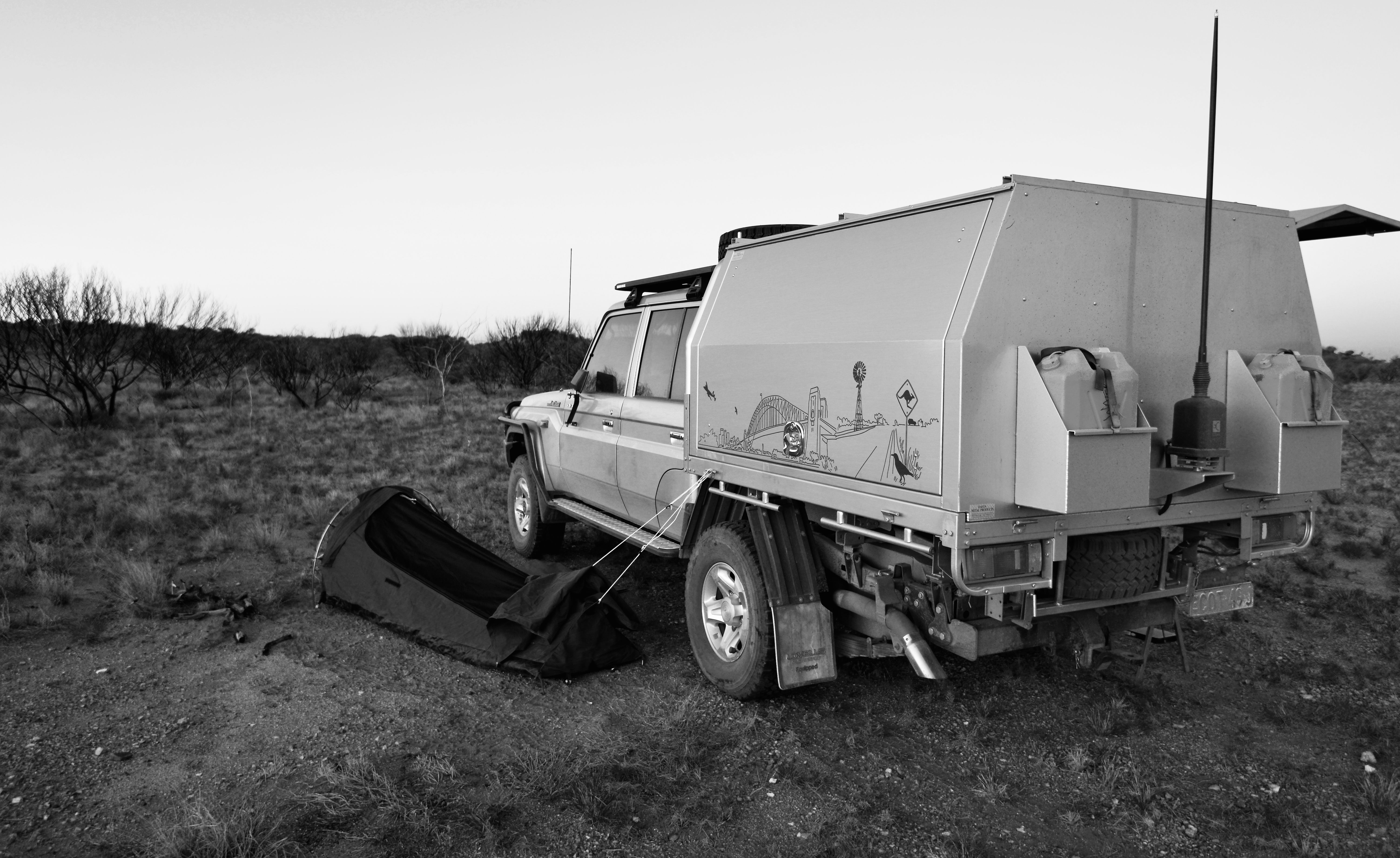
Photo: Baz – The Landy, Outback Australia


Most dictionaries define selfishness as…
“Devoted to or caring only for oneself; concerned primarily with one’s own interests, benefits, welfare, etc., regardless of others.”
I pondered on this definition and eventually came to a conclusion that this is possibly one of the most misused words in the English vocabulary.
I asked myself the question..
Is it selfish to pursue our dreams, to live the life we desire, to see what we can achieve; to explore new horizons and to develop as individuals; to stand at the edge and look at the world through a different lens…?


As individuals our life and the way we lead it creates a mosaic of who we are.
The pieces of a jigsaw puzzle randomly sitting in a box are meaningless unless they are joined.
In much the same way the pieces of our lives, scattered, cannot portray or project anything about who we are or what we seek to be until pieced together.
Interlocked they provide a mosaic of whom we really are…
The picture unfolds…
Whom or what would we be if we were not able to join the random pieces together and pursue our dreams?
Would we ever achieve our real potential, or would a fear of selfishness limit us and how we develop as individuals?
Baz – The Landy


Photo: Baz – The Landy, Gumhole Waterhole, Outback Australia

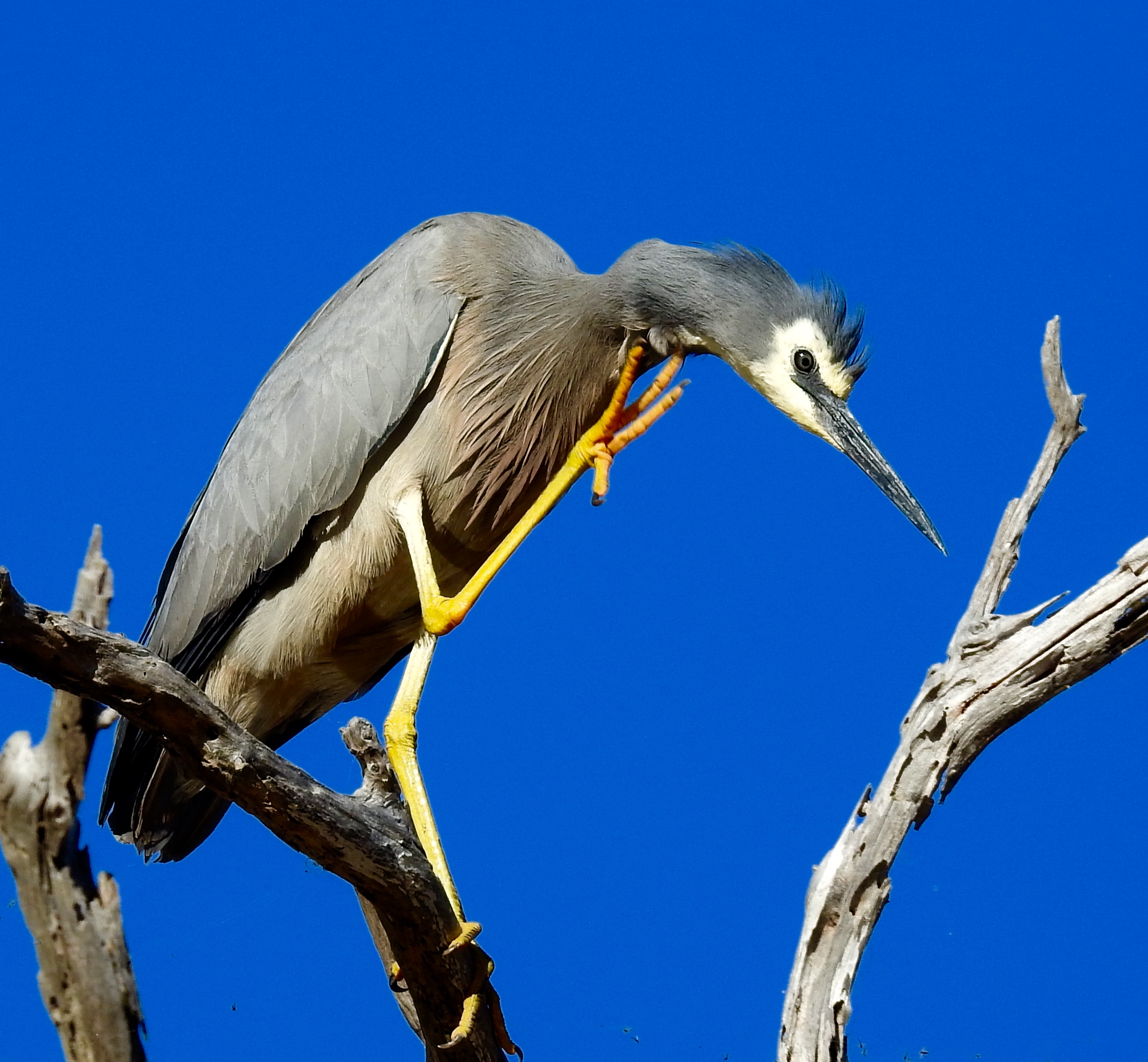
Photo: Janet-Planet, Kangaroo Island, Australia


Lobed-leaf Hop Bush, Maralinga Atomic Bomb Site, Australia…
Photos: Janet-Planet

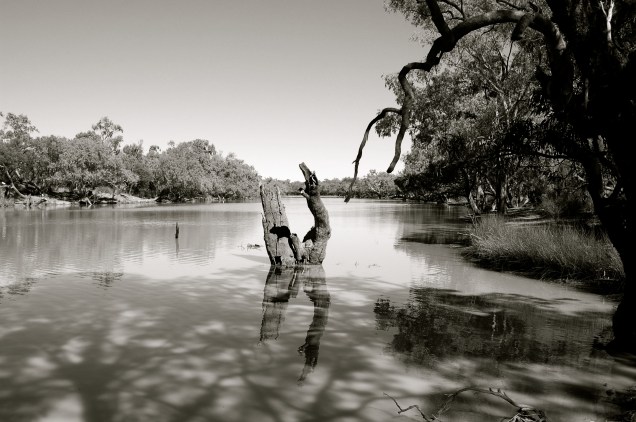
Photo: Baz – The Landy, Paroo River, Outback Australia


Photo: Baz – The Landy, in the Australian Outback…


Photo: Baz – The Landy, Great Victoria Desert, Australia…


Cadelga Outstation, Outback Australia…
Photo: Baz – The Landy…


“Cunningham’s Rattlepod” its beautiful soft green colours offset against the bright red sand dunes in Welford National Park, Outback Australia.
Photos: Janet Planet…


Photo: Baz – The Landy, Little Sandy Desert, Outback Australia…


Photo: Janet-Planet, Yengo National Park, Australia…


Strewth, how big is that termite mound, hey, and what about the spectacular colours of our parched southern land…!
Photo: Baz – The Landy, Plenty Highway, Outback Australia…

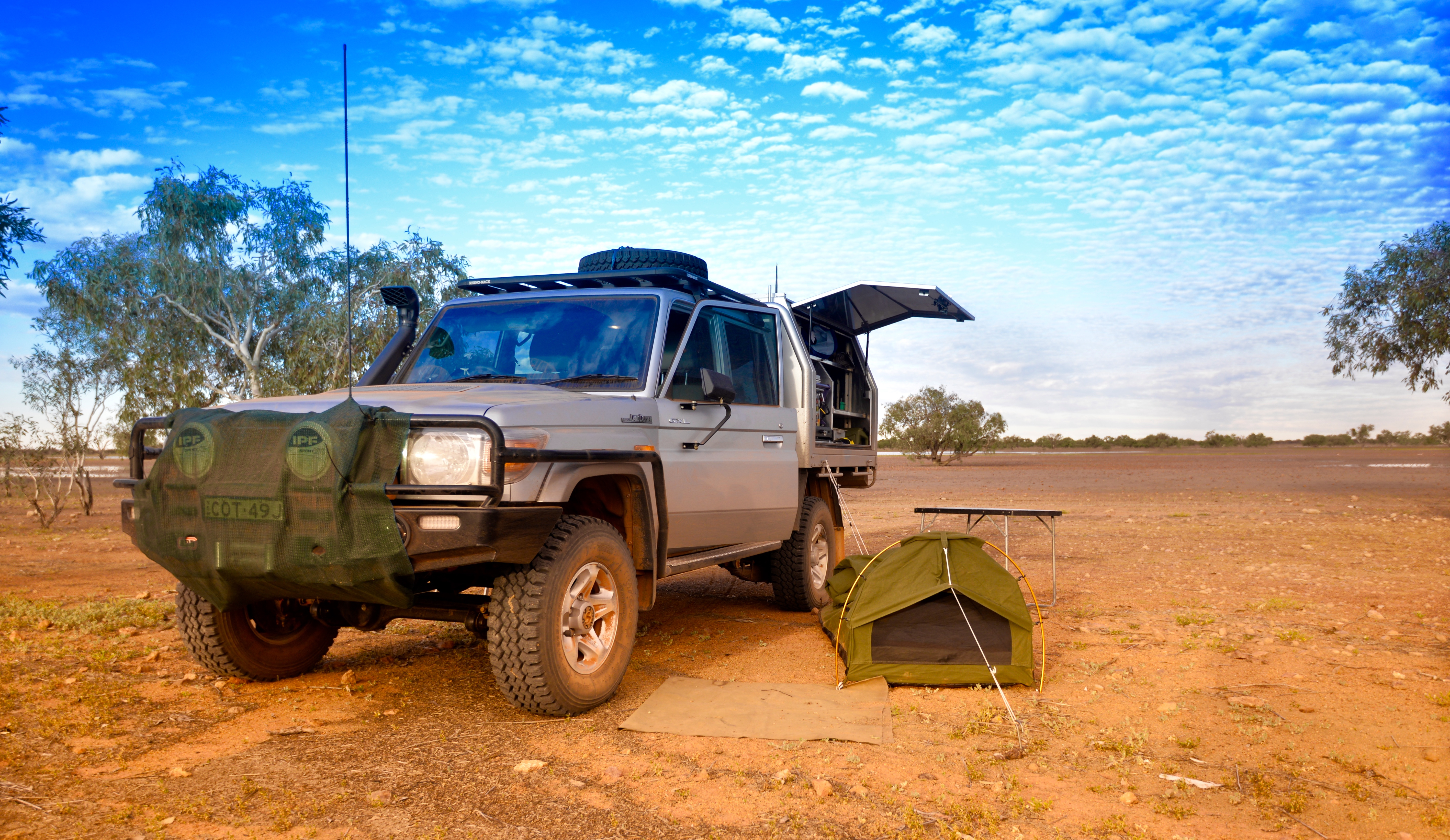 Lake Cohen, Gibson Desert, Australia…
Photo: Baz – The Landy

Immersed deep in the Australian Outback…
Photo: Baz – The Landy


Deep in the middle of one of Australia’s remote desert lands at a place where perhaps only a handful of Australian’s of European descent have stood, if that many and not a soul in sight
Photo: Baz – The Landy


The Rosenberg Goanna is a monitor lizard and Kangaroo Island, situated off Australia’s southern coastline, is the last stronghold for this wonderful and inquisitive reptile. We came across this one on our recent visit to the island.
It has been declared a vulnerable species, so let’s hope we won’t just be looking at them in wildlife journals in years to come…
Photo: Baz – The Landy


Fisherman’s shack, Kangaroo Island, Australia
Photo: Baz – The Landy


Photos: Baz – The Landy (Out and About)

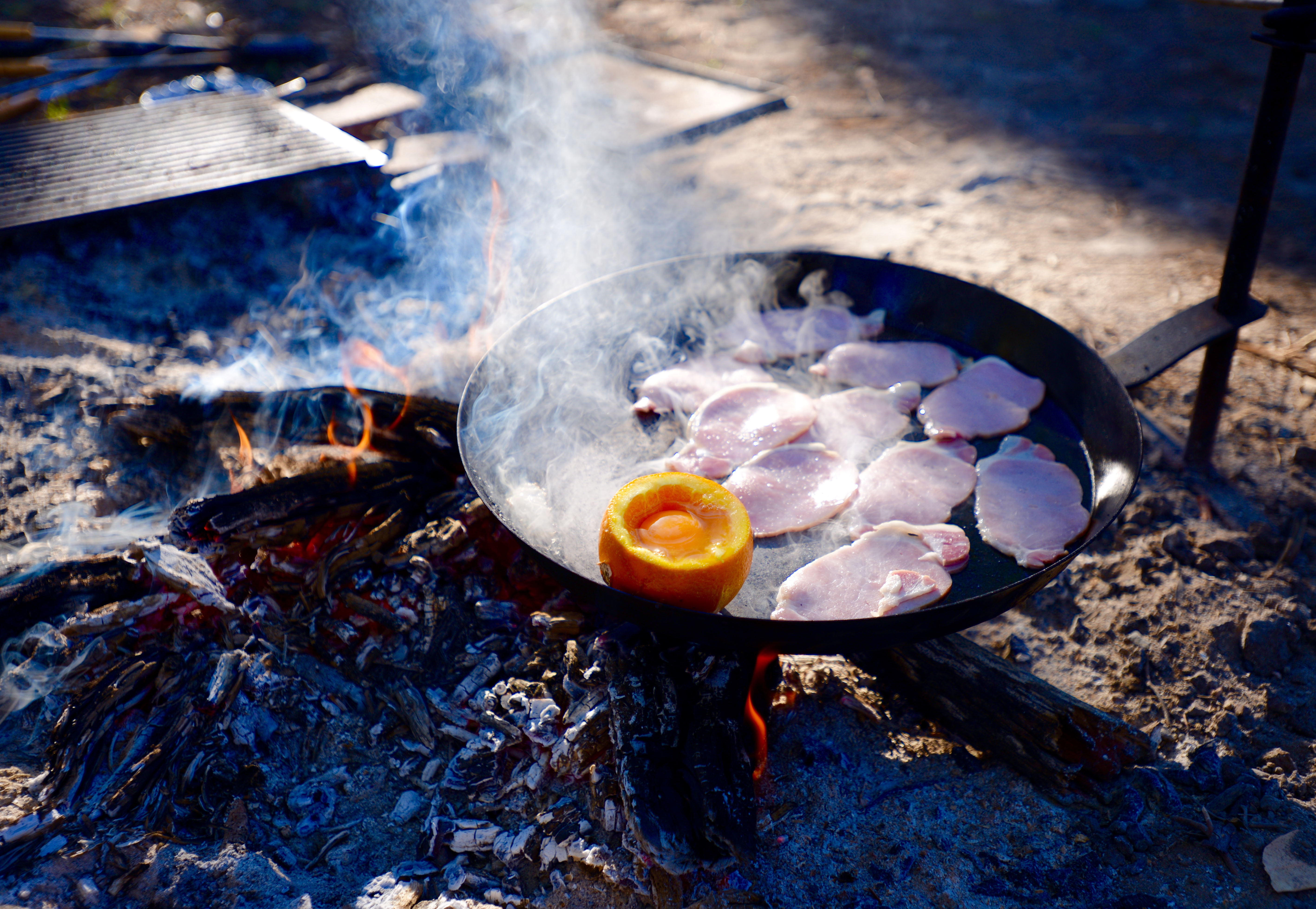
Photo: Baz – The Landy


Photos: Baz – The Landy

Photo: Baz – The Landy

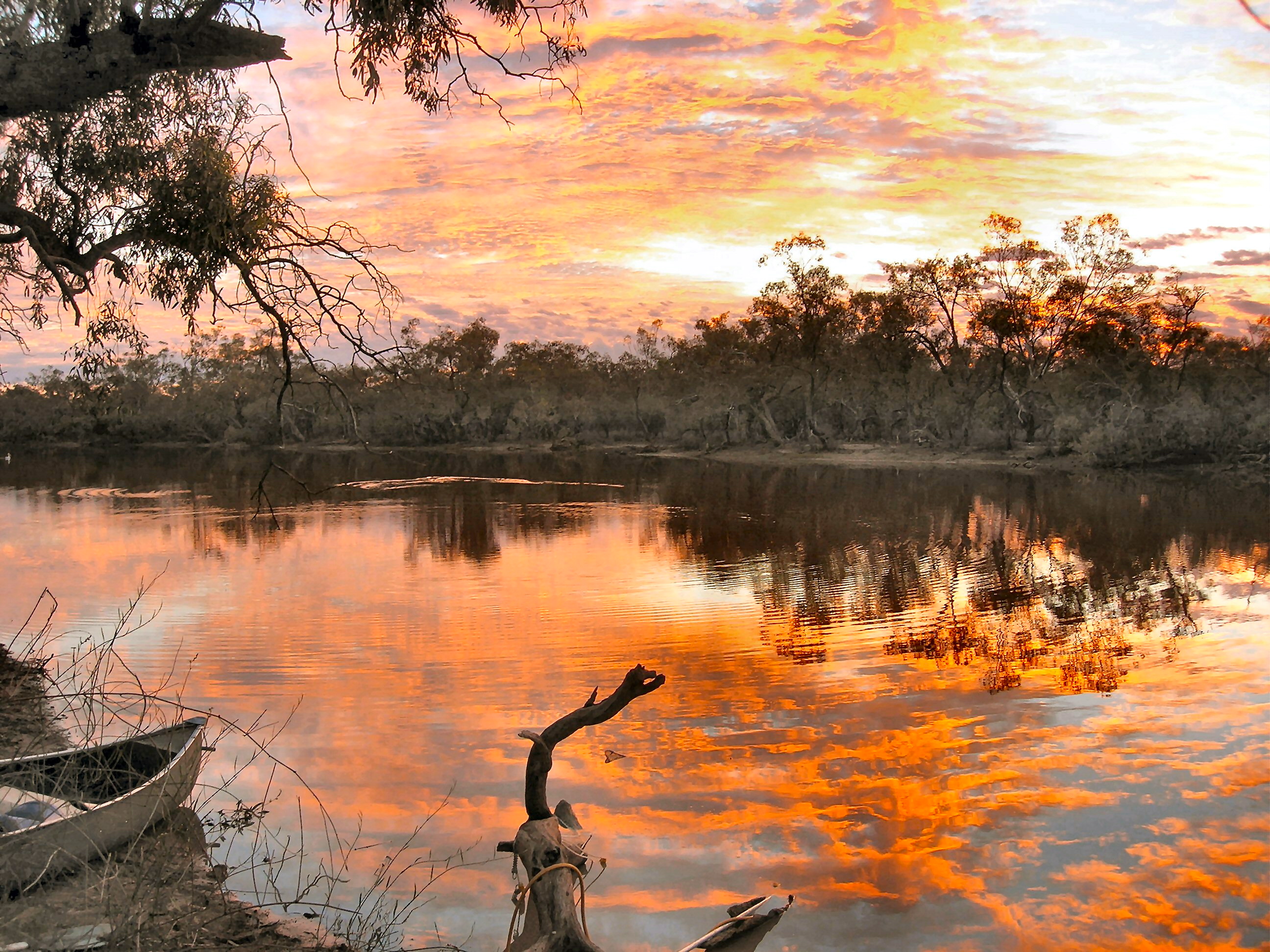
Ourimperee Water-hole, Currawinya National Park, Australia…
Photo: Baz – The Landy


Remember Mike?
Could there be anything worse than being on the receiving end of a Mike Tyson punch?
Mind, you I suspect he is correct in the assessment he makes about plans and it got me thinking about the topic and how it might relate to remote area travel.
And can I confess upfront, I’m a “planning nutter”…
Many of you will be aware we spend plenty of time Out and About in the great Southern Land, Australia, exploring its natural beauty and wonders and much of this is done in very remote locations.
And if it isn’t the Outback we might be on the side of a mountain somewhere in the world…


So what about planning and what considerations should be taken into account?
Whilst the degree of planning may vary from one person to another, I am sure that almost all of us have one in mind, whether committed to memory or in written form…
Mind you, everything has risk attached to it, right?
The question is whether the risk can be managed to a level that is acceptable, firstly to you and secondly, broadly acceptable to those who may be called upon to provide assistance if something goes wrong.
And I use the word broadly because it is subjective to make a judgment on what others might find acceptable.
To get around this, I use the reasonable test and ask myself the question – would, on average, reasonable people find this a reasonable assumption to make?
In my view planning is one of the most important aspects of any trip and should be approached as a risk management exercise. I put planning at the top of my list…
Whilst in the stress free environment of your living room at home you can assess all aspects of the expedition without the pressure of things crumbling around you out in the field and for which you have not developed a response.
When it comes to remote travel in Australia I find many place a lot of focus on equipment, and vehicles, communications; how much food and water needs to be taken along with the required fuel.


And for sure these are all important aspects to any trip planning, falling under the heading of trip logistics.
But what about your health and fitness and that of your travelling companions?
Are you in suitable shape both mentally and physically for this specific expedition?
What about expected weather conditions and how will you respond to changing conditions?
At what point do you call the trip off – what decision criteria have you established for this both in the time prior to departure and once it is underway?
This is an important one; more than one person has died from the “press-on-regardless” mentality.
We’ve planned this trip and we’ll complete it at all costs…regardless!
How can this type of thought trap be avoided?
…Establish criteria to prevent it from happening!
No one wants to call off a trip once under way, but it might be the best decision despite the disappointment. Having guidelines decided and agreed upon in advance takes much of the angst away from this type of decision making it easier to arrive at if faced with a particular circumstance.
And what about a point of no return decision?
How many people consider this when travelling from point A to point B in remote and arid countryside, crossing the Simpson Desert, for example or other remote areas?
Prior to arriving at this equi-distance point consideration should be given to whether the destination can still be reached, or might it be wiser to return to the previous checkpoint whilst you still have sufficient fuel and supplies to do so.
There could be any number of reasons that might affect your decision; weather would be an important one for example. But there could be many others that should be assessed at this critical point before continuing on your journey.
Once the point of no return is crossed the decision has been made and you are now committed to it regardless, possibly with dire consequences if not well thought out, or even considered.
Planning for a trip begins and ends at home…
By the time you head down through the front-gate you should be confident in your endeavours and that you have thought out potential issues and how you will deal with them. By now you and your travelling companions should have committed to some form of template as to how you will respond to specific and non-specific situations.
Once under way the expedition progress should be evaluated against what you expected and anticipated in your planning – and if it doesn’t align consider the impact it will have on your objective and how you should response to these changes…
And for sure, there may be issues that crop up that you didn’t have a specific plan for, but you can still have a response for these situations along the lines of how it might affect the successful completion of the trip and what is the implication of continuing or not continuing?
Consideration should also be given to the well-being of the group or others that may be called upon for assistance especially if things are going as planned.
Problems often arise not because of a primary occurrence, but the impact it has as it cascades down through a number of scenarios and usually we receive plenty of opportunity to address these before they manifest into a much larger issue.
Have a plan, have a plan, and have a plan – that is my pre-trip mantra regardless of the undertaking or where in the world I am planning an adventure…!
It is one thing to be confronted with an issue and making the incorrect assessment or choice, but it is almost unforgiveable to not act and make any decision at all when something goes wrong…
…History is littered with the deaths of people who simply failed to act, having a plan is a good way to avoid being in such a predicament!
And hey, planning needn’t rob you of the spontaneity that travelling can bring, to the contrary, hopefully it enhances the experience by giving comfort that you have considered how you will respond to adverse and changing conditions as the trip progresses.
How much time do you put into trip planning and would yours withstand that…
“Punch in the face”…?
Photo, Baz – The Landy

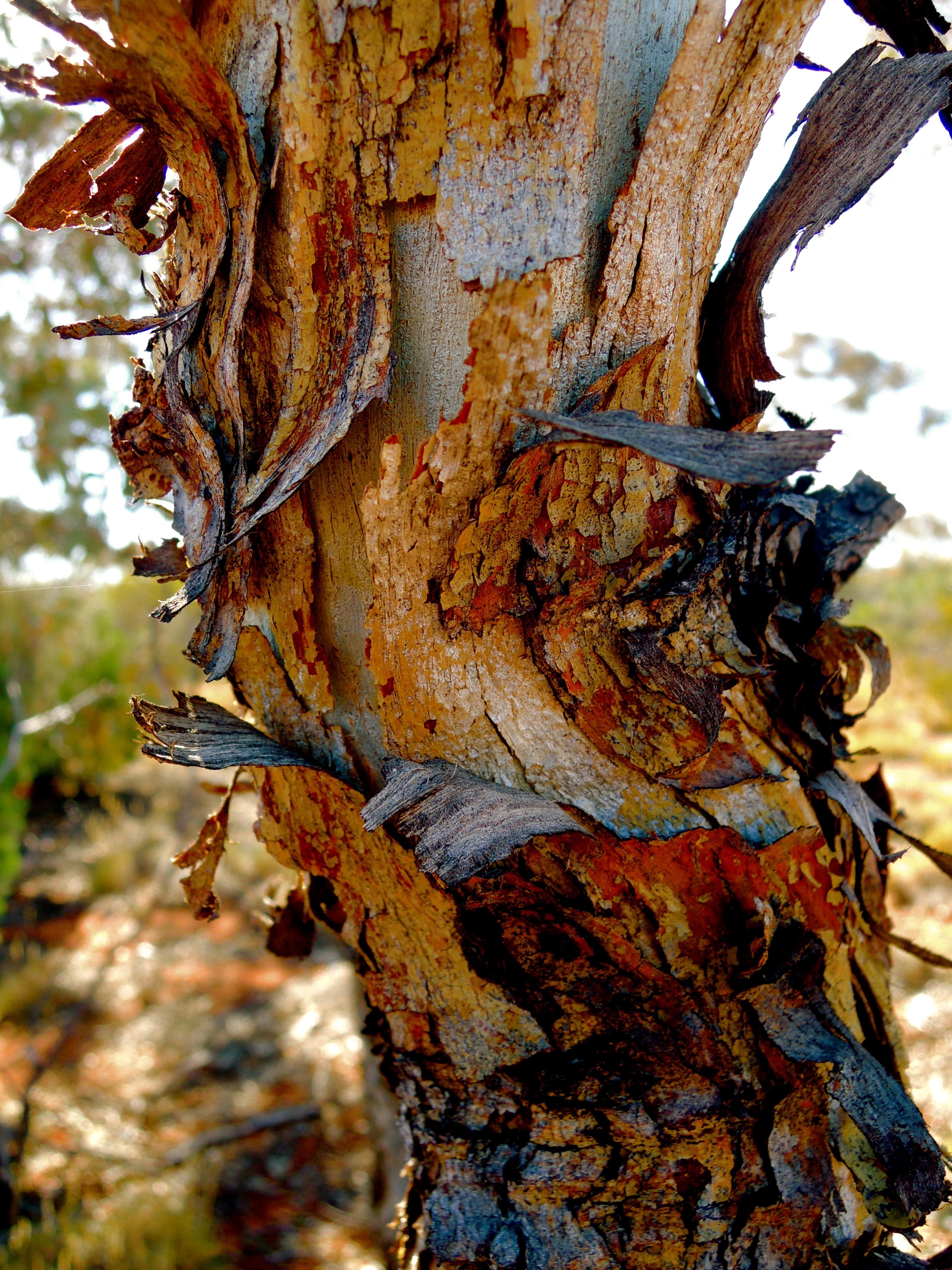
And whilst we both like to capture the “big picture” framing our wonderful red landscape against a never ending blue sky, I like to put the macro-lens on the camera and photograph…
With so many species of trees in the Australian Bush and Outback I have a never-ending supply of material to frame that special shot.
And I look forward to sharing many of them with you, Janet-Planet…!
Photograph: Janet-Planet, Anne Beadell Highway, Outback Australia

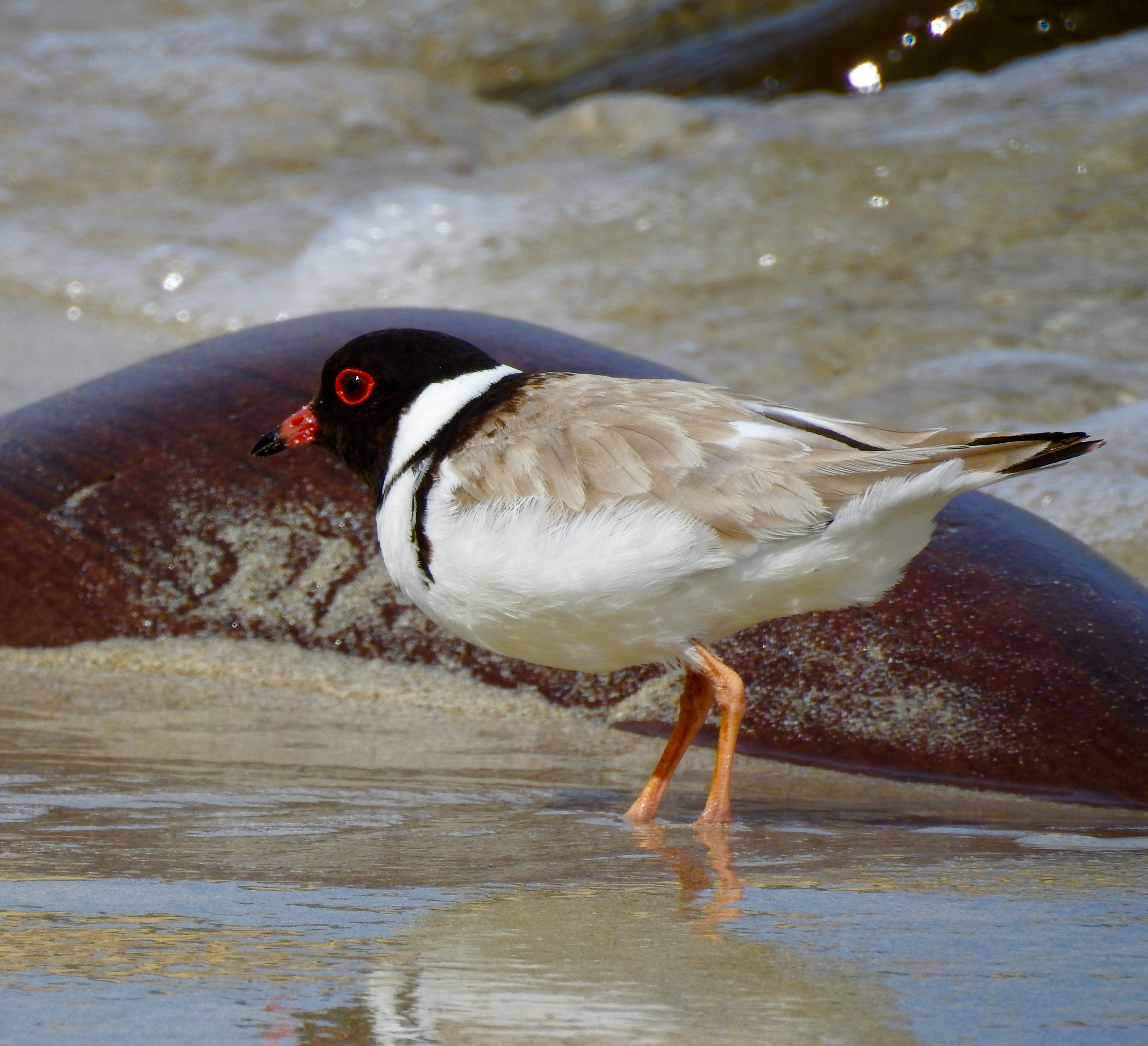
I photographed this wonderful little fella on a recent trip to Kangaroo Island, just off Australia’s southern coastline.
This small bird, affectionally referred to as a “Hoodie”, is on the endangered list with numbers estimated at around 200 on the island…
Photo: Baz – The Landy


On a recent trip south to Kangaroo Island we took a couple of days to traverse parts of the park and view the Pink Lakes for which it is renown. Pigmentation caused by algae colours the lakes pink during the summer months and is quite spectacular to view later in the day.


Throughout the 1900s salt was commercially mined in the area with operations ceasing around 1975, but relics of this era can be viewed as you make your way around the lakes on the Pioneer Circuit.


Our starting point for travelling into the park was the small township of Linga where there is a well-signed and formed dirt road that takes you to the Pink Lakes. The Pioneer Track is a circuit that is suitable for two-wheel drive vehicles taking visitors on a tour around the lakes and can easily be accessed from the larger towns of Ouyen or Pinaroo for those wanting to do a day visit.
Being summer, we were cautious to ensure temperatures were not too high in the park before committing to travelling through it. Not that we are unaccustomed to extreme heat and humidity, after all, we grew up in Queensland and lived in tropical Papua New Guinea for a number of years. But at this time of the year the park sees far less visitors and despite being not too far from a number of towns it remains a remote area that should be respected.

After a short drive from the highway we arrived at the Pink Lakes and Janet took the opportunity to photograph numerous plants and flowers at Lake Hardy before we moved on to Lake Crosby, a larger lake with camping sites available.
For those travelling the Mallee Highway this would be a good overnight spot to take a break, or alternatively, a good base to further explore the park over a number of days.
Murray-Sunset is a large area with a seemingly endless amount of tracks that you can explore, but for the most part, this will require a four-wheel drive vehicle due to the many sandy sections that are encountered.
And come well prepared with plenty of water and basic recovery gear as you may be on your own. We did not see anyone else in the park during our short visit.
With only a limited time to explore the park we headed north along the Underbool Track with an overnight camp at the Underbool campsite, before continuing north the following day to the intersection with the Pheeney ‘s Track and a drive towards the western boundary of the park.


There is a campsite not too far from the western border of the park on Pheeney’s Track, however we headed northwards along the North South Settlement Road and had our second night in the park at the Shearer’s Quarters campsite.


This is a campsite set amongst the trees not too far from the Shearer’s Quarters. And there is a walk that you can take through the scrub, but this is best done late in the day during the warmer months. And if you are lucky you’ll be rewarded with a glimpse of some of the wildlife and wonderful display of wildflowers. And not to forget, marvellous bark-art as we like to call the patterns found on the many types of trees one encounters when exploring…


After a pleasant overnight stay at this campsite, which we had to ourselves, we made our way out of the park at Taplan, a small town on the park’s western border, before making our way south to Cape Jervis, the stepping off point for our Kangaroo Island Adventure.
We had frequently looked at Murray-Sunset on our maps and had it penciled in our “places to see book”.
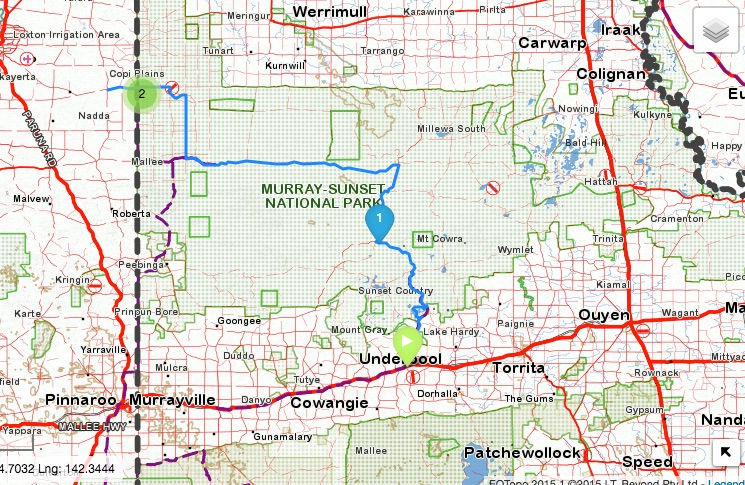
This short visit gave us a taste of what the park has to offer and provided an opportunity for us to give our new Track TVAN Firetail a test in the sand. We had no doubt it would perform as well as our older TVAN Canning that it replaced, and it did, flawlessly…
We have vowed to return in the cooler months, although we suspect that in the depths of winter Murray Sunset would be a very cold place, but with changing seasons comes new perspectives, a warm campfire and the opportunity to XPLORE…!
 Photos: Baz – The Landy and Janet-Planet, Murray Sunset National Park, Australia.

 Xplore