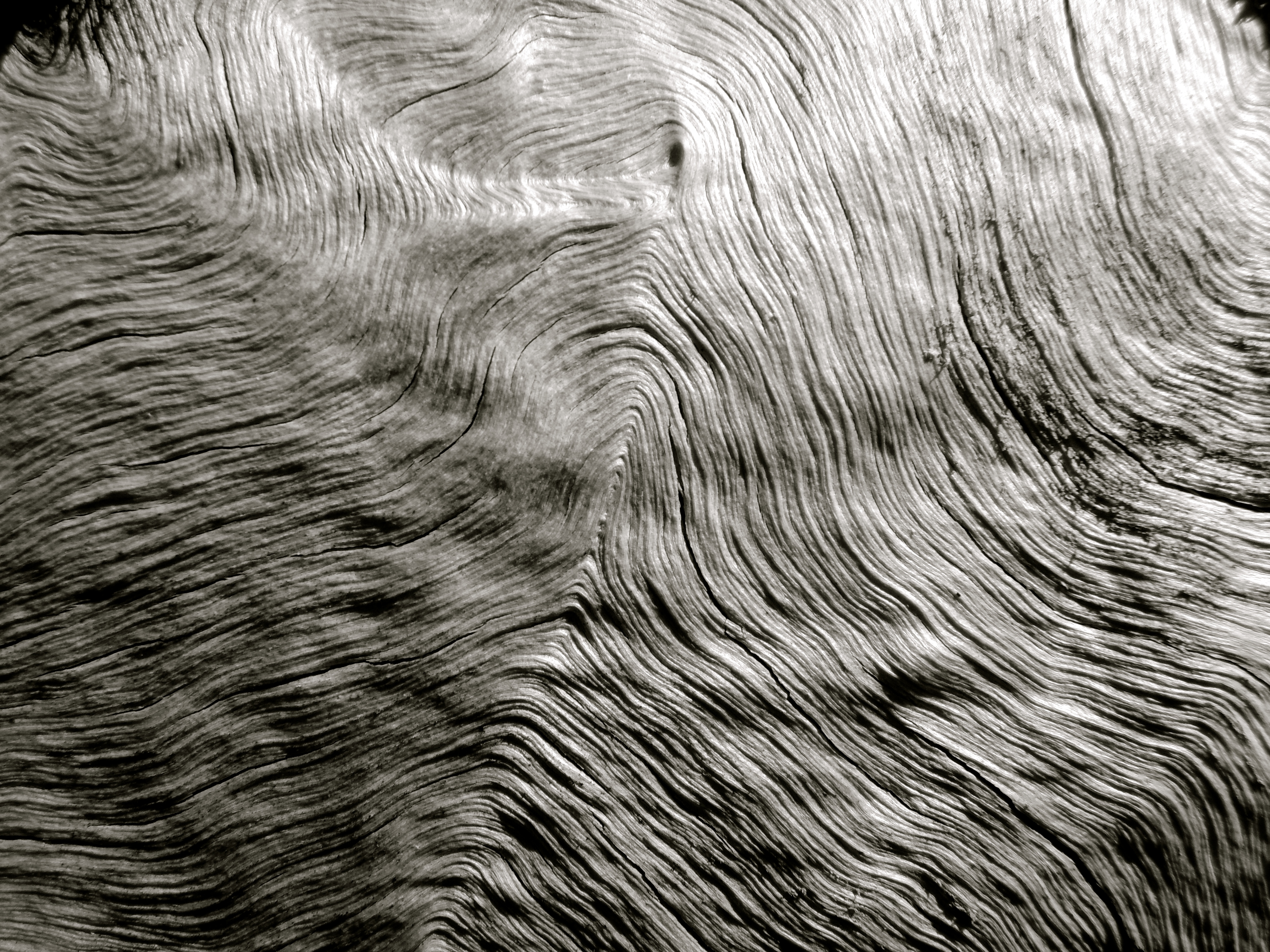
This is actually a close up of the bark on a tree!
Photo: Janet-Planet in the Australian Bush

This is actually a close up of the bark on a tree!
Photo: Janet-Planet in the Australian Bush

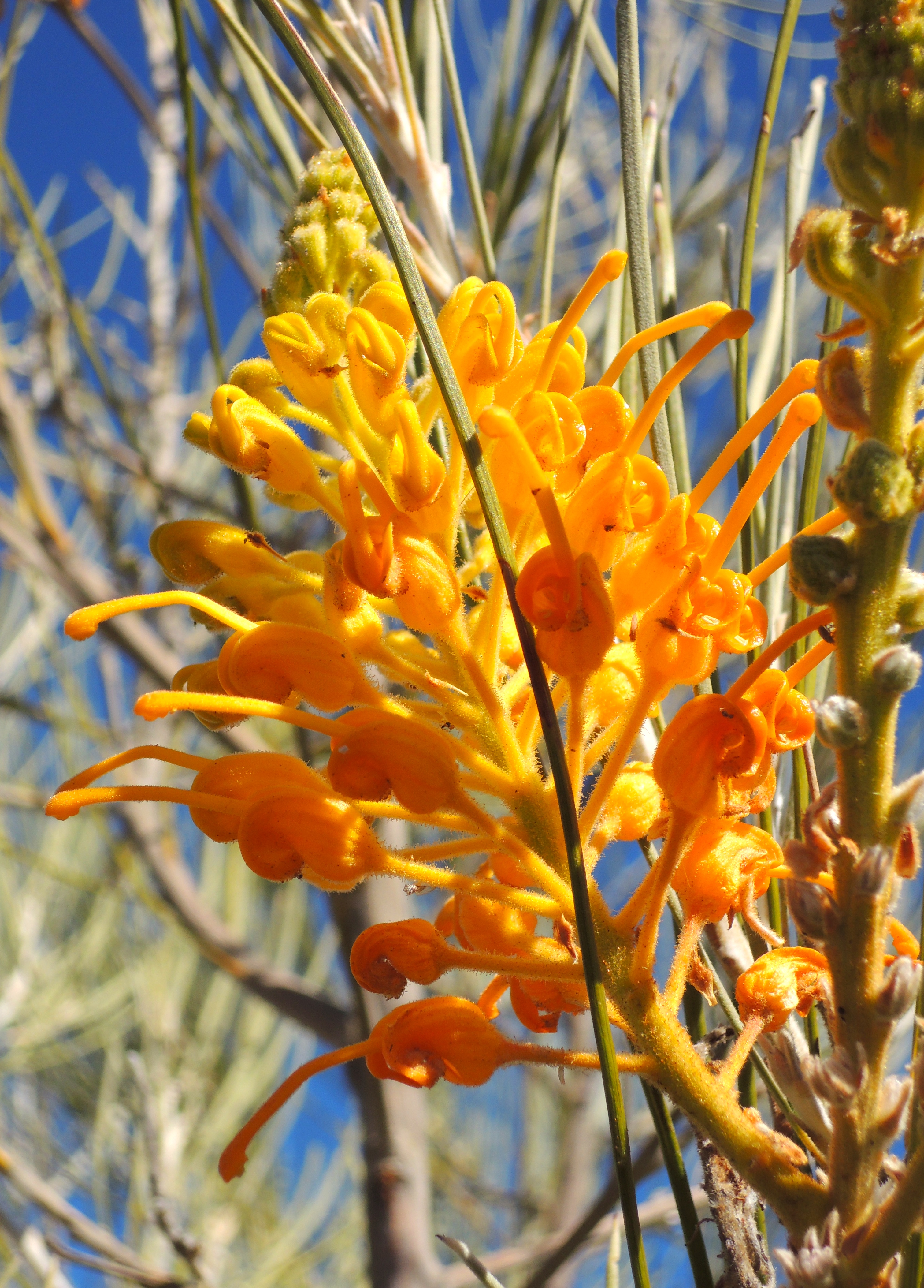
Photo: Janet-Planet, in the Australian bush


Photo: Janet-Planet, in the Australian bush.

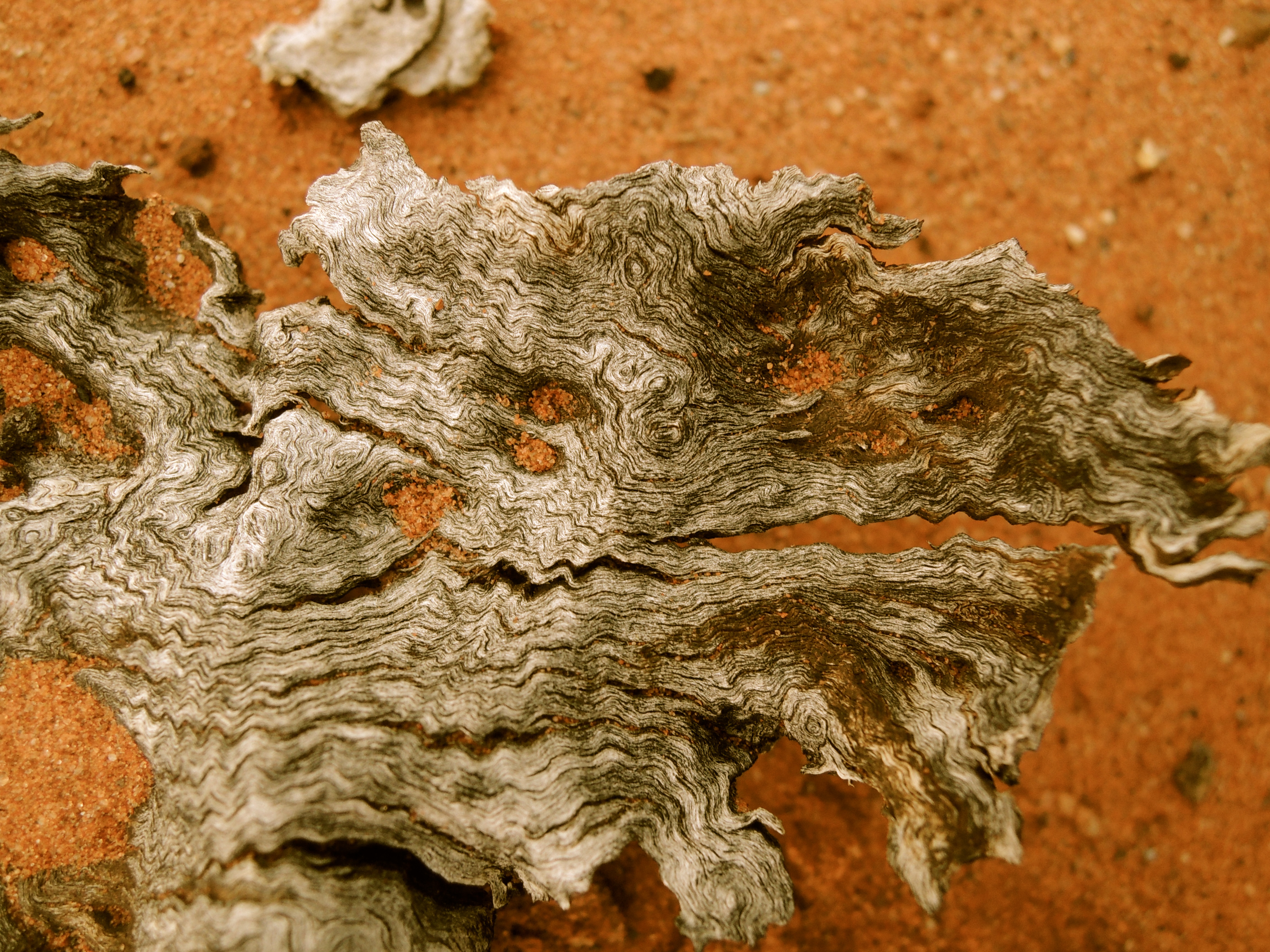
Photo: Janet-Planet, in the Australian Outback

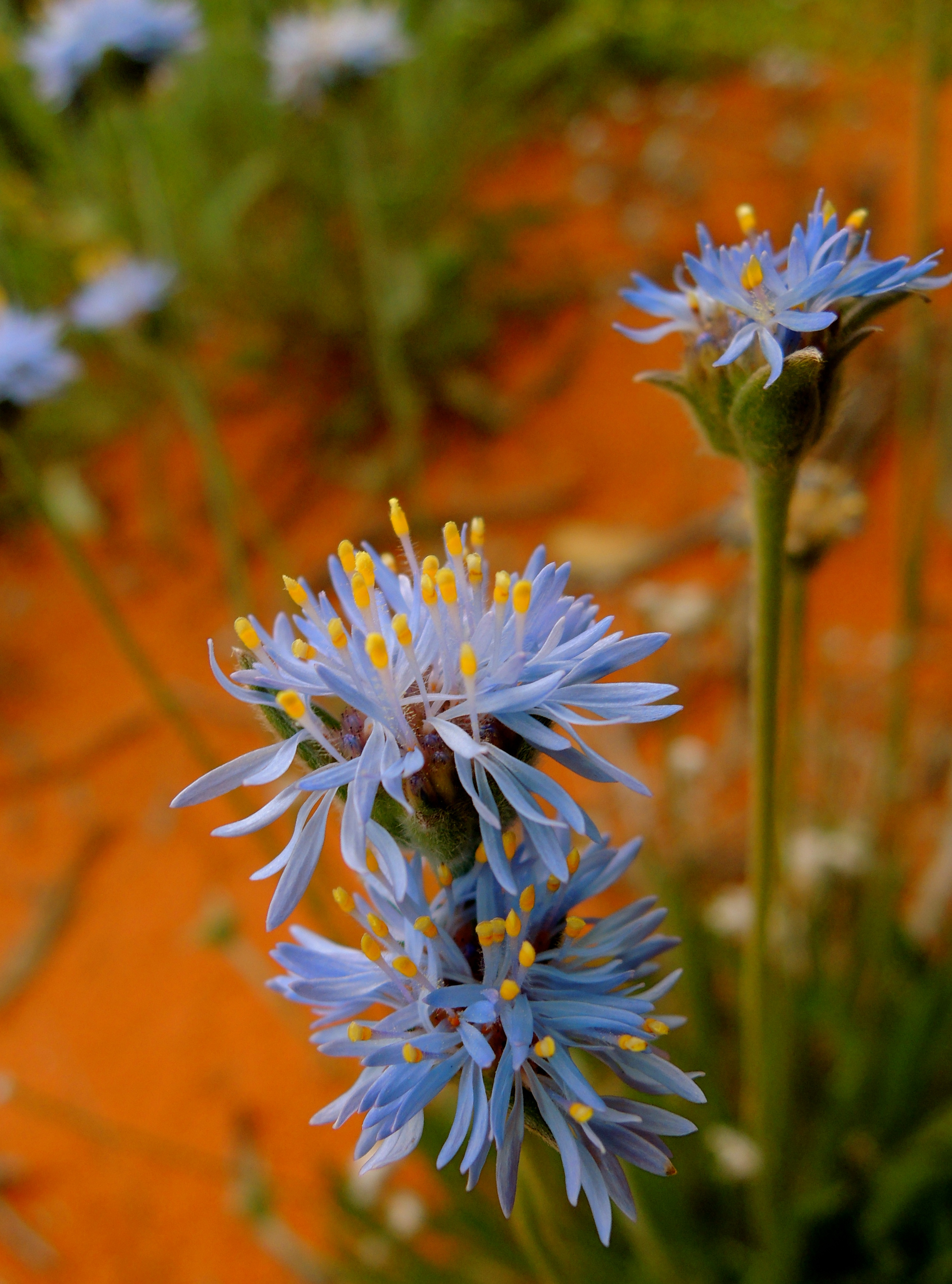
Photo: Janet-Planet, in the Australian Outback

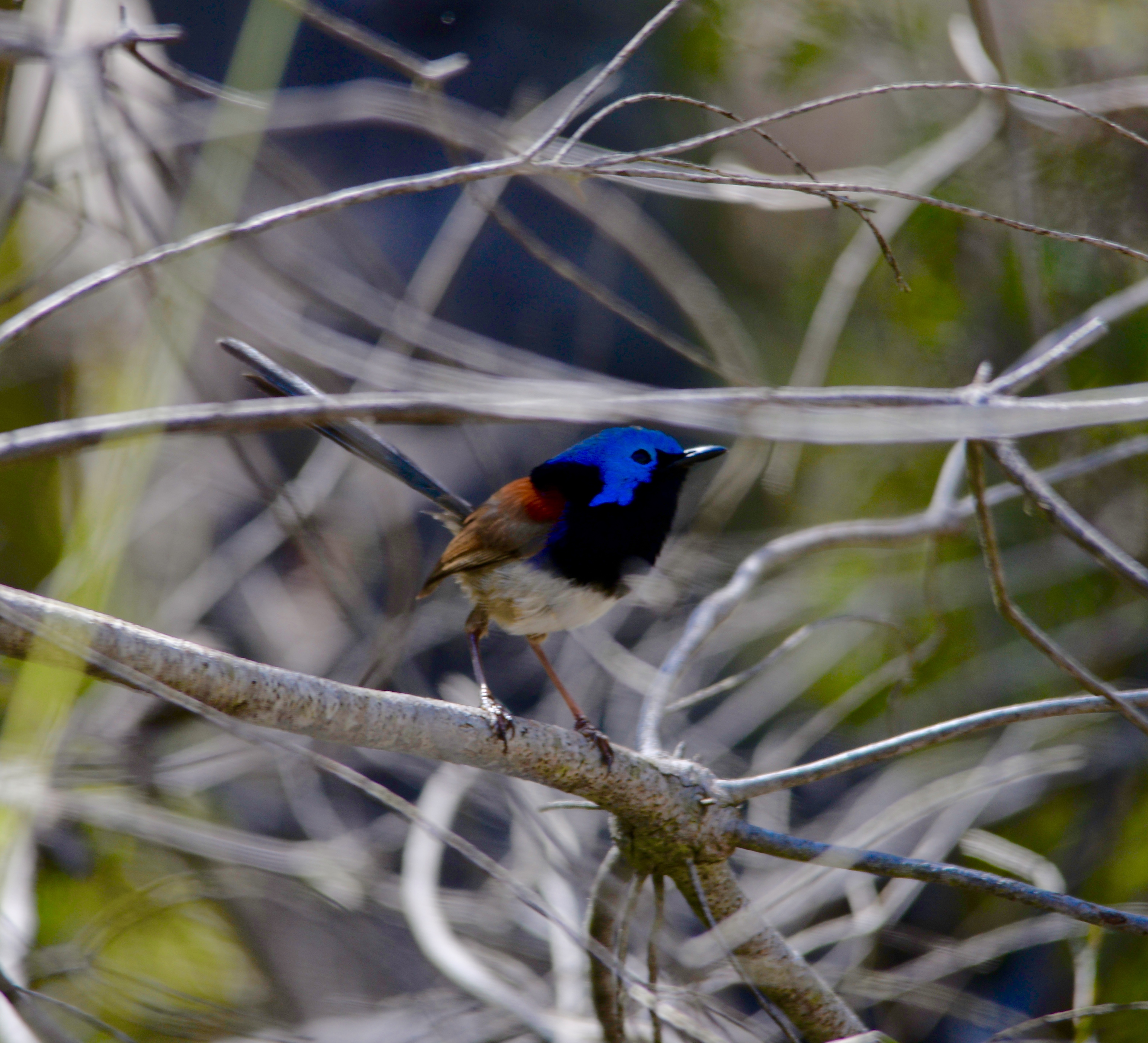
Photo: Baz – The Landy, in the Australian Bush…


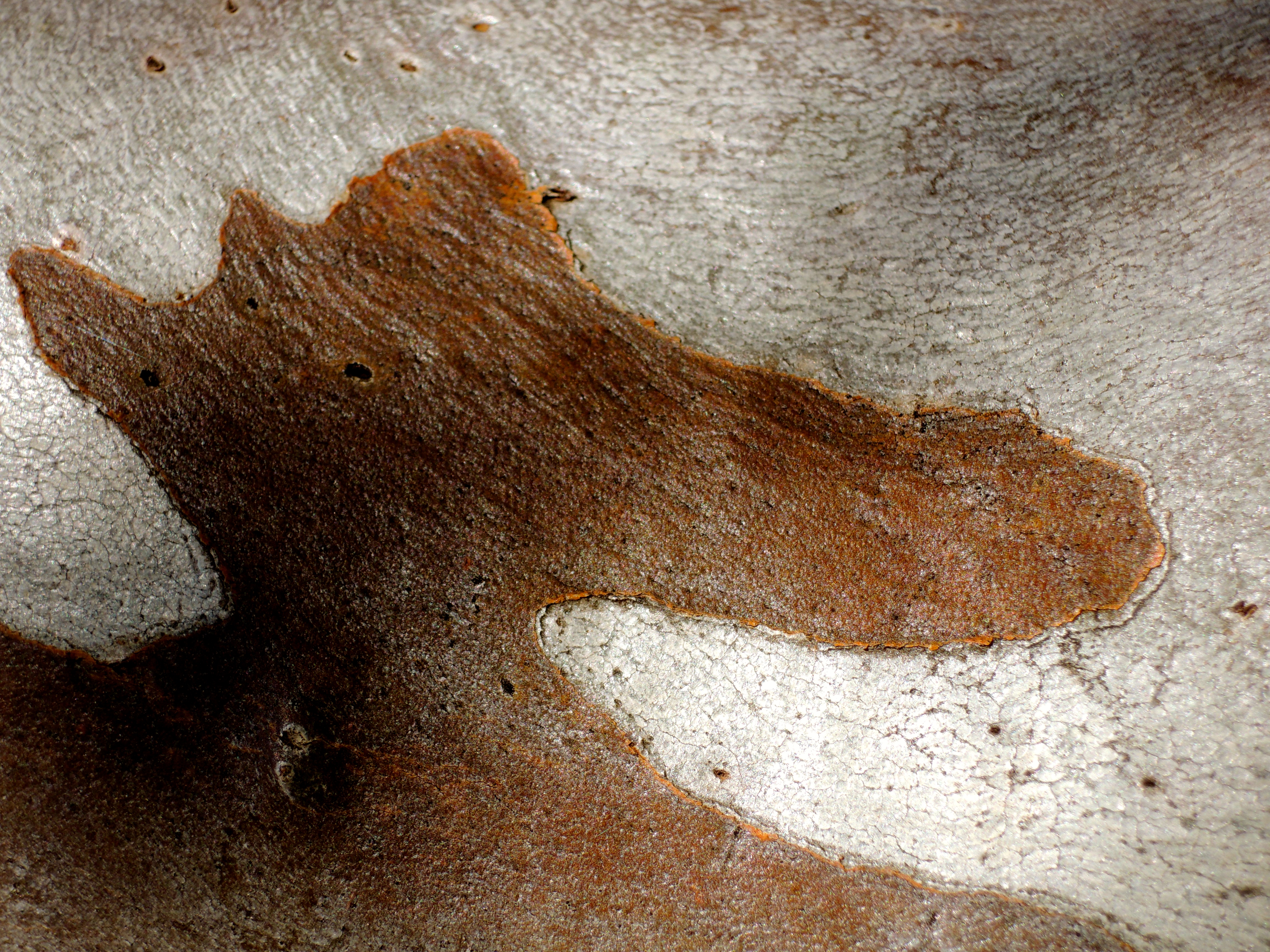
Photo: Janet-Planet, in the Australian Bush (and loving it..!)

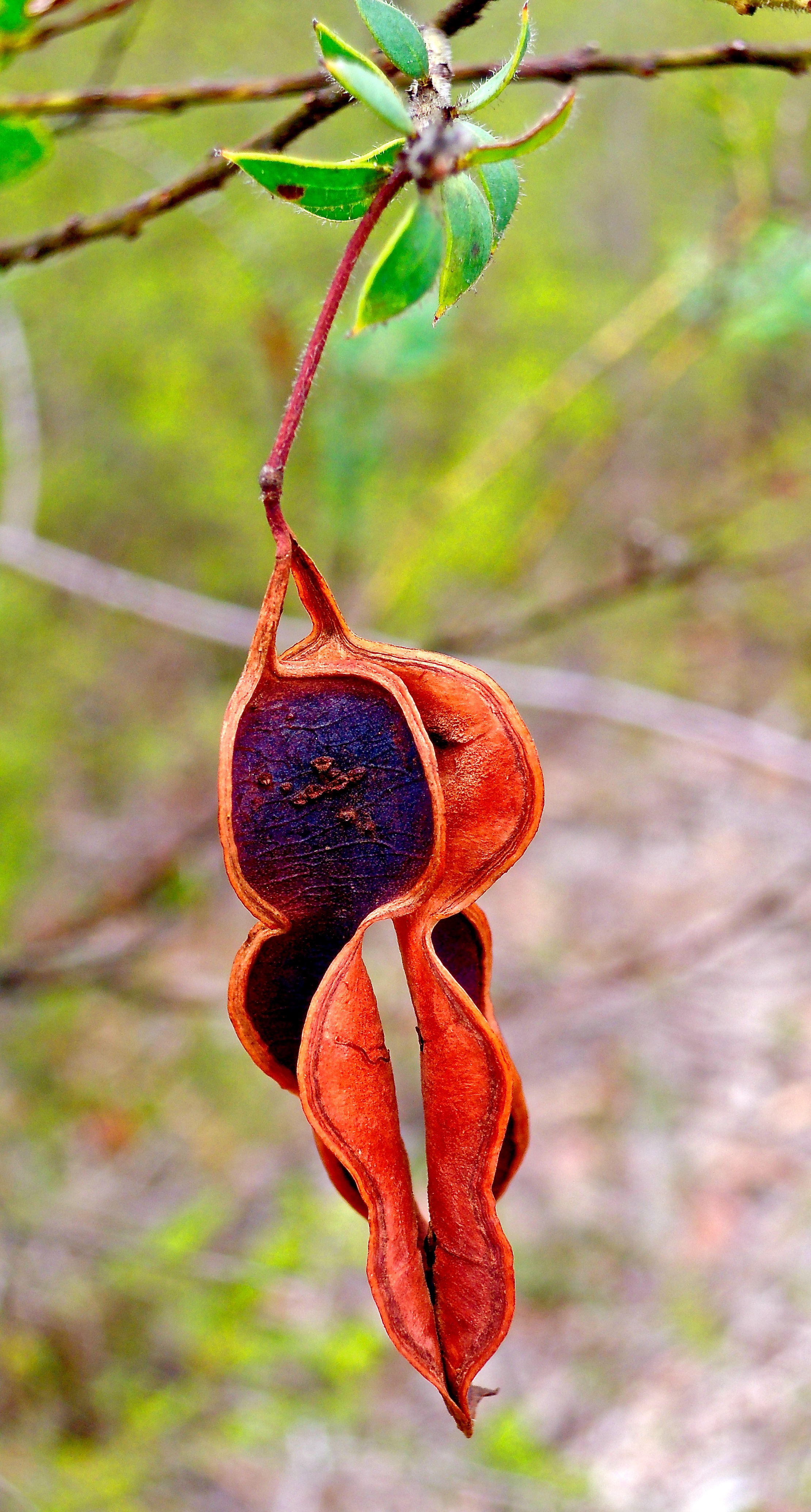
Photo: Baz – The Landy, in the Australian Bush…(somewhere!)


Photo: Baz – The Landy, Trilby Station, Outback Australia

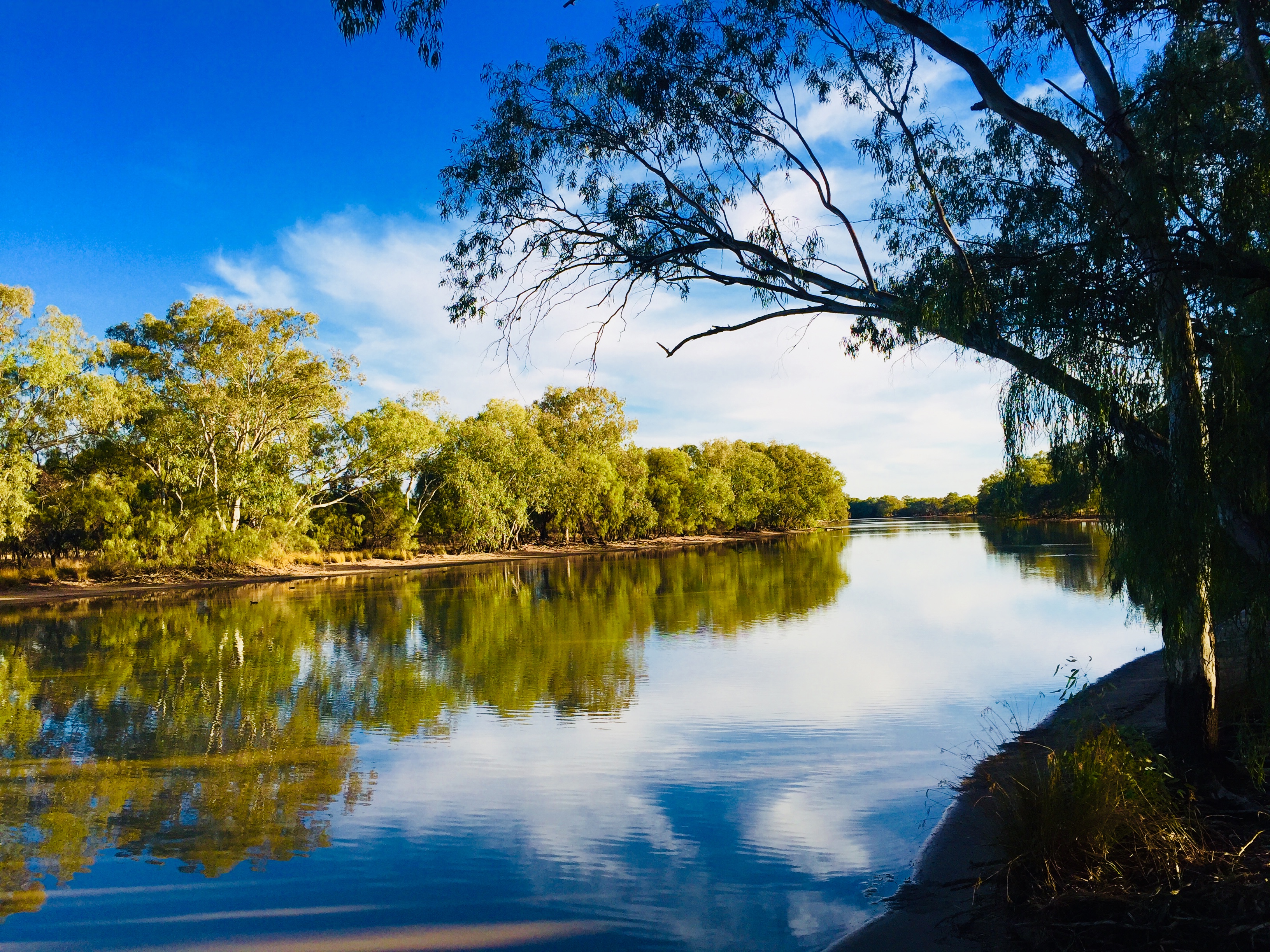
I’m camped by a favourite waterhole of ours along the Bogan River as I head towards Milparinka which is situated in the Corner Country in the far northwest of New South Wales…
Hey. three weeks in the outback, where a deep blue sky gently blends to the red earth on a faraway horizon, and the night sky is laden with stars – how good is that, hey…!
Photo: Baz – The Landy, on the Bogan River


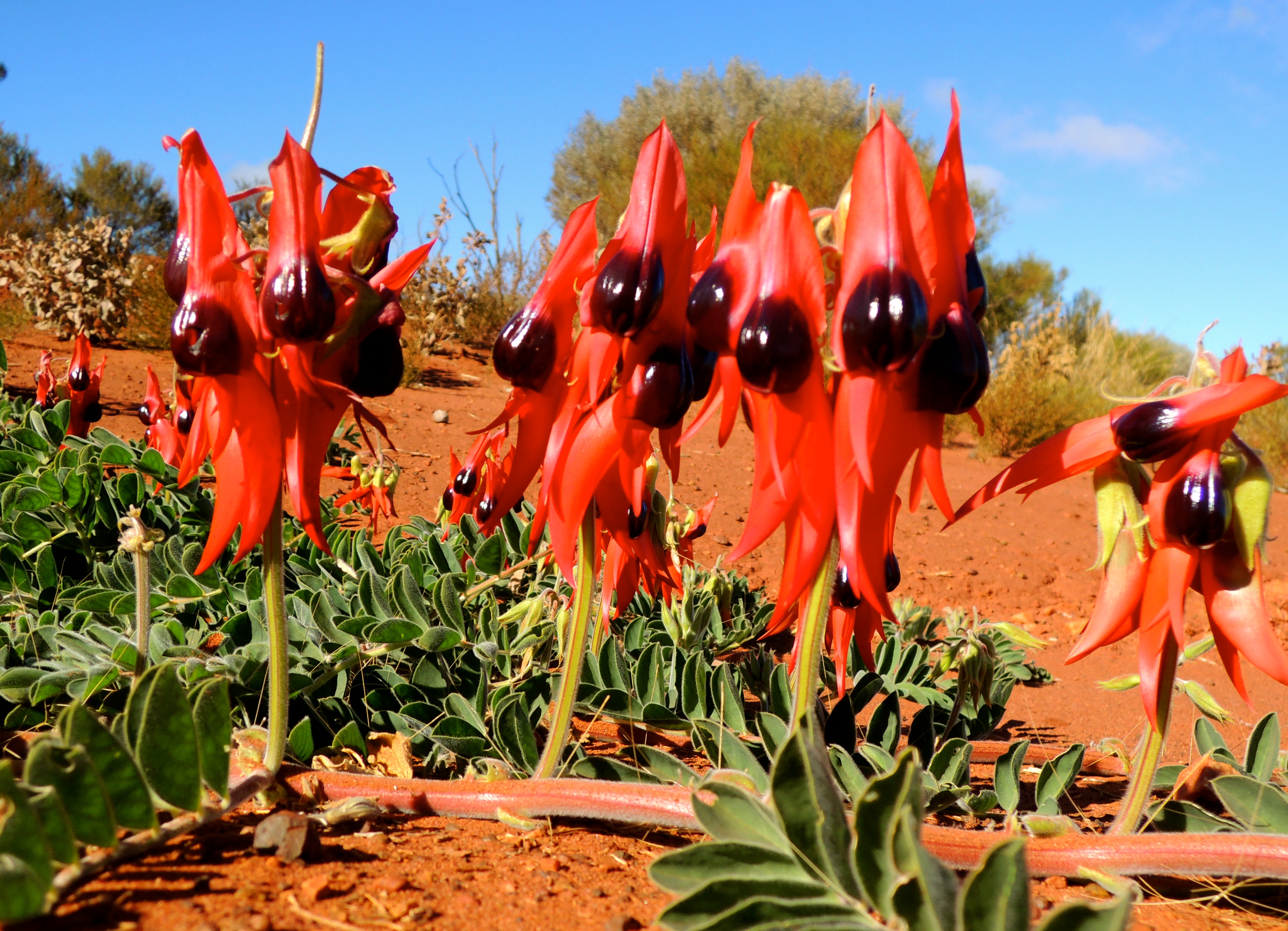
The Sturt Desert Pea, almost alien looking…!
Photo: Janet-Planet, Outback Australia

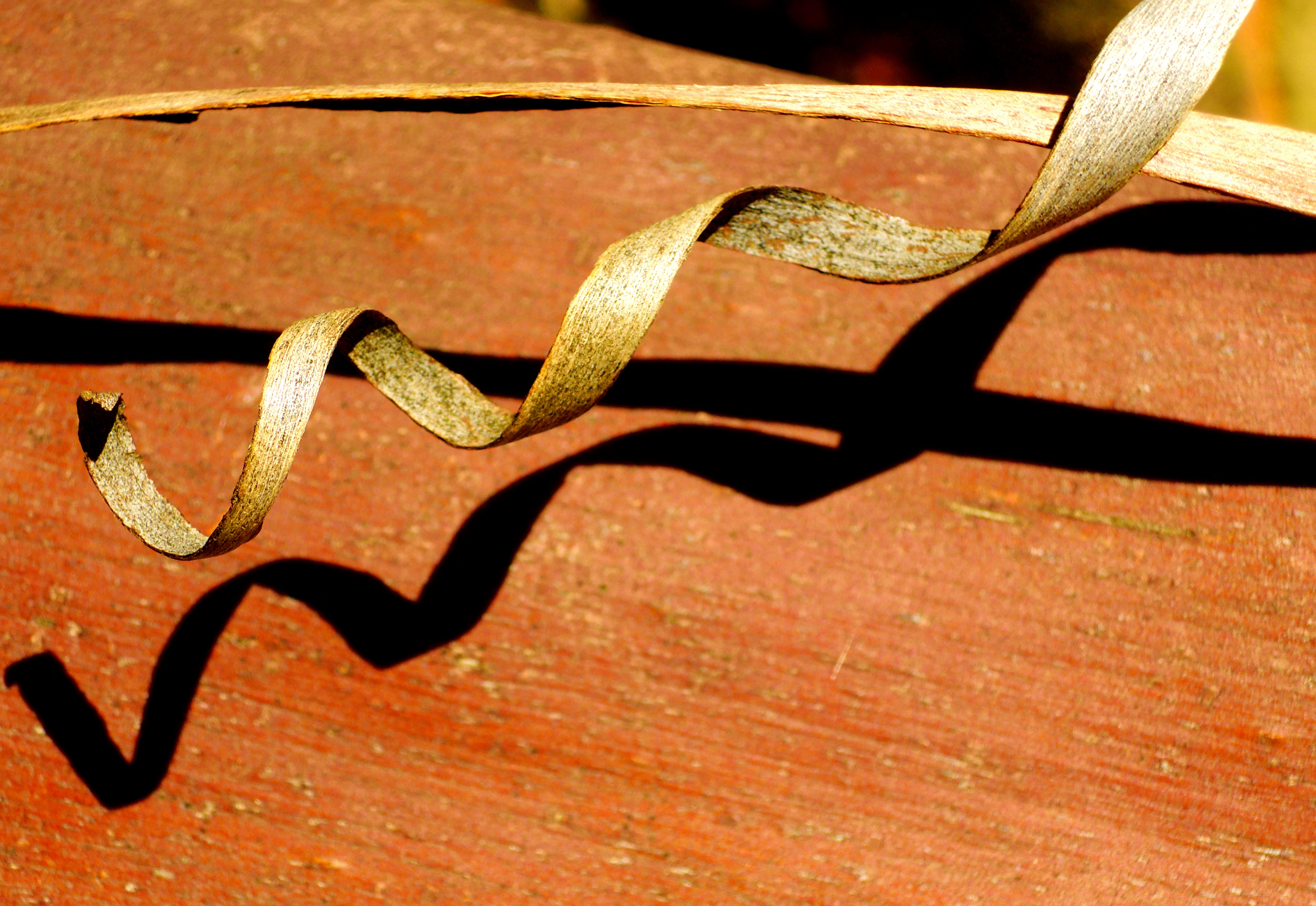
Photo: Janet-Planet, Outback Australia


Photo’s: Baz – The Landy, in the Australian Bush…


Photo: Baz – The Landy, Plenty Highway, Central Australia…

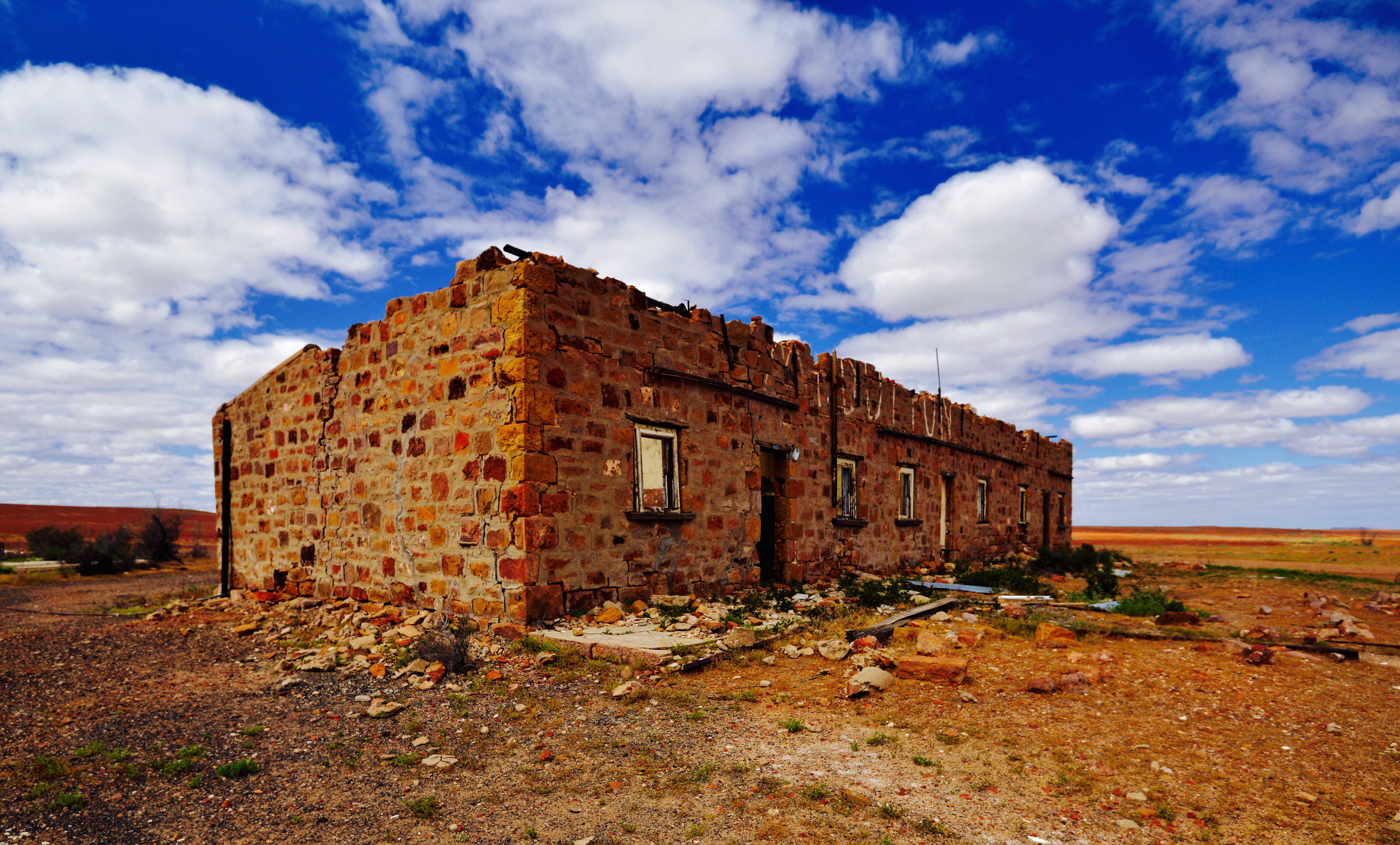
Photo: Baz – The Landy, the Peake Overland Telegraph Station, Oodnadatta Track, Outback Australia…


Photo: Baz – The Landy, Canning Stock Route, Outback Australia


Photo: Baz – The Landy, Point Hicks, Southern Australia…


Photo’s: Baz – The Landy, Glasshouse Mountains, Australia

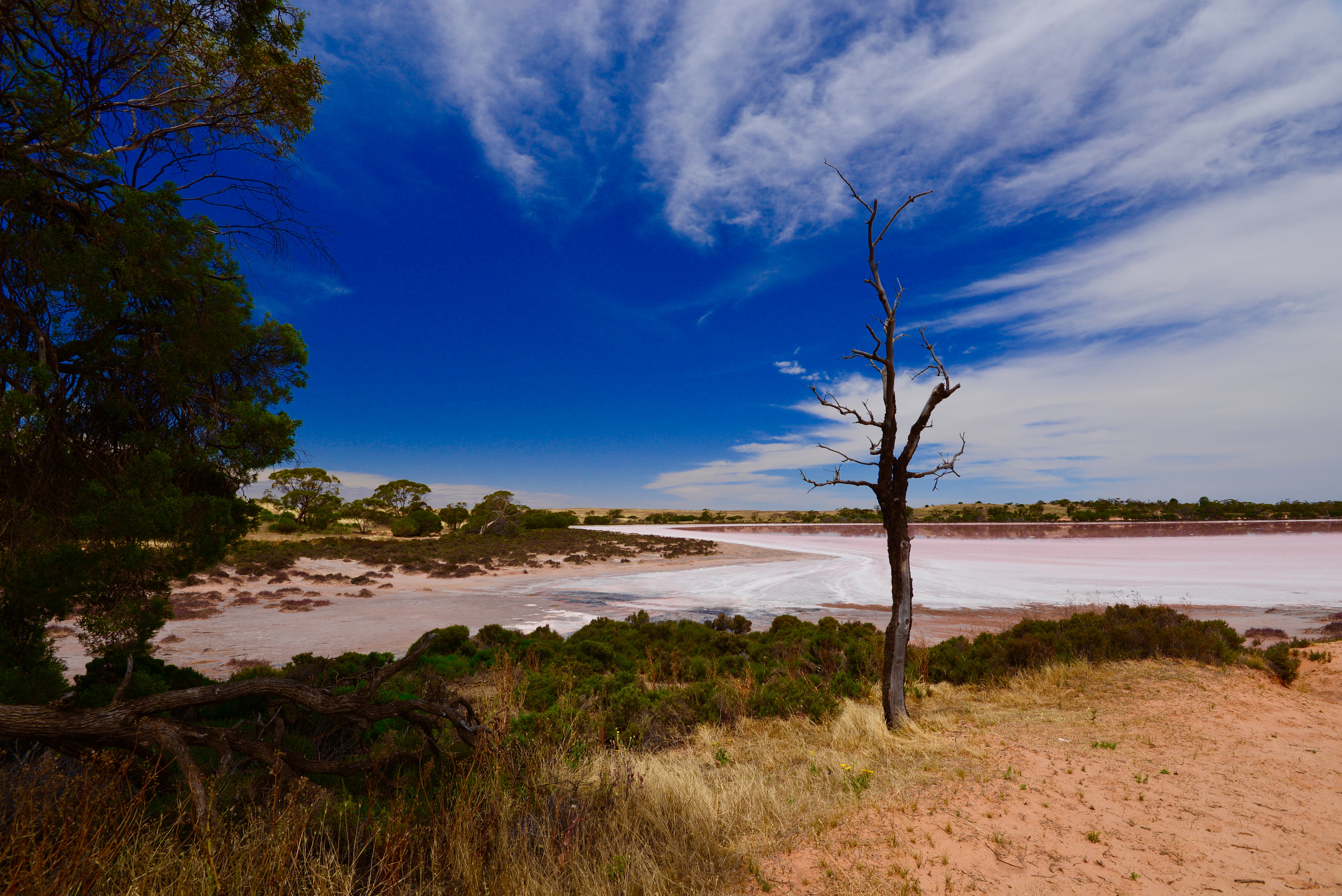
Photo: Baz – The Landy, Murray Sunset National Park, Australia…


Photo: Baz – The Landy, Shallow Inlet, Wilson’s Promontory.


Photo: Baz, Wilson’s Promontory, Southern Australia…


Photo’s: Baz – The Landy, Phillip Island, Southern Australia


But hey, with time on my side what better way to wile away that time than being camped beside the mighty Murrumbidgee River at Gundagai reading poems and short stories by one of Australia’s greatest story tellers, Henry Lawson.
And of course, apart from the river the town is famous for the “Dog on the Tucker Box”…
Photos: Baz – The Landy, Gundagai…

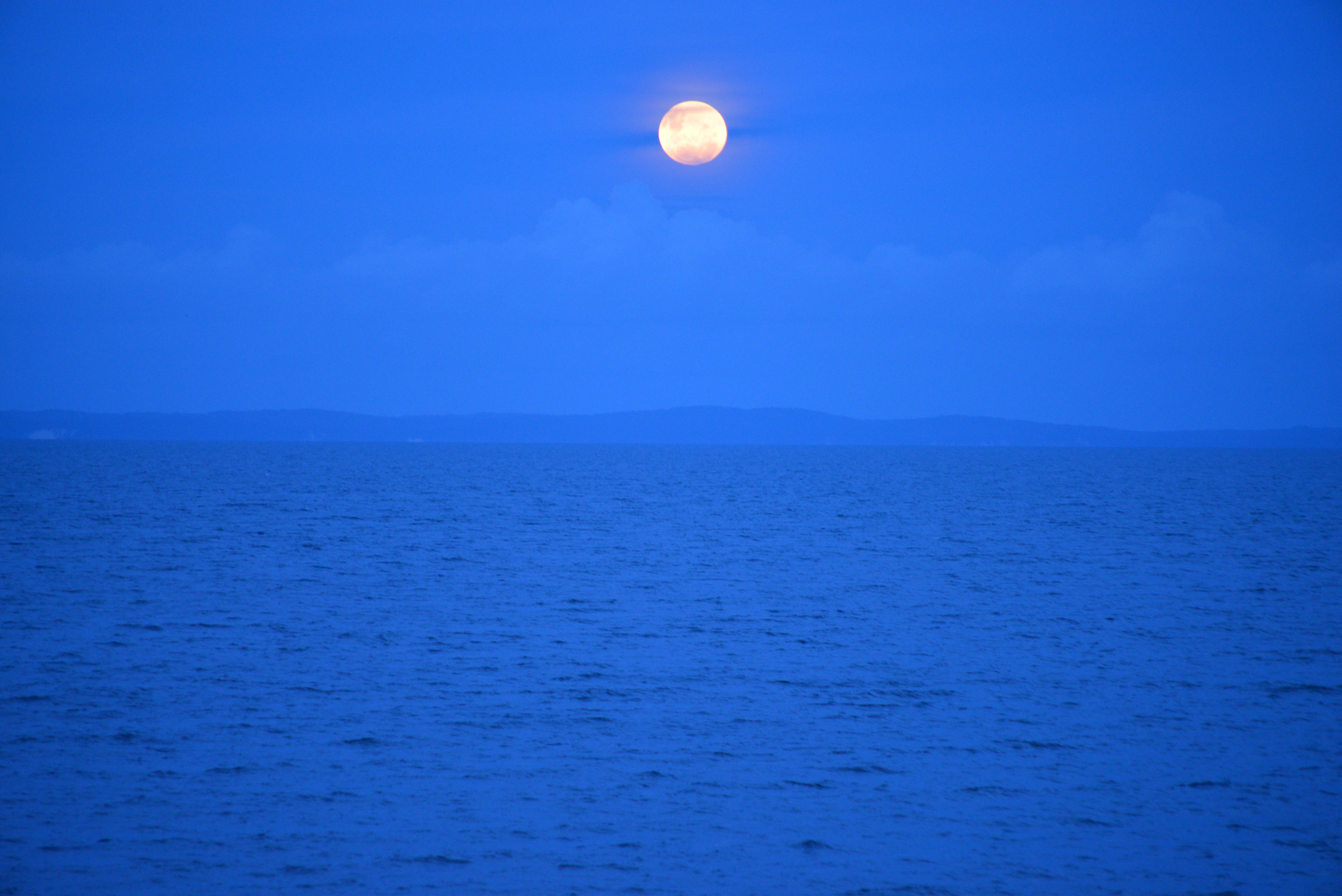
Apparently, a super moon occurs when the moon reaches its closest point to earth and appears much larger than normal (some 30% they say). The red part happens during a lunar eclipse, and the blue moon is when there are two full moons in a month.
Some experts suggest that it is unlikely to see all three events converge again this century, although I have seen conflicting reports on this with suggestions there will be another one in 2028 – but given it last occurred in 1866 I’ll try and observe this one and leave it to the experts to argue over the timing of the next one.
I was pondering where to view it from away from the glare of city lights and decided on heading to the World Heritage listed Mungo National Park, south east of Broken Hill.
It has been at least two decades since I last visited the area so I am looking forward to it, although with daytime temperatures getting up to around the 45C mark I doubt I will linger there for too long afterwards. But it is a spectacular area, so I’ll play that one by ear and see how the weather is…
The phenomena is due to start on 31 January around 10:30pm (AEDT) and end just after 2:00AM (AEDT) on 1 February…
Photo: Baz – The Landy, Moreton Bay, Queensland


Photo’s: Baz, Kangaroo Island, Southern Australia.


Janet and I think of this area as our ‘backyard’ and over many years we have walked and kayaked through this area, which is little more than 20-kilometres north of the Sydney CBD. And yet, this was a first time spotting for us of the powerful owl, which is Australia’s largest, in this location.
Although, it is a familiar bird for us as we have visitations from one into the local park opposite our home. In fact, I heard our resident owl calling just a few nights ago…
Following my sighting of the bird last week I made contact with Beth Mott, Project Officer for the Powerful Owl Project with Birdlife Australia who was excited to review the area and to glean if there is a pair that might be raising a young chick.
So today, Janet, myself and Beth set off along the track to see if we could find any further signs of inhabitation.
Janet and I were on a steep learning curve when it came to bird observation, but Beth, who holds a Degree in Conservation Biology, and who has undertaken a PhD study on ‘Animal Community Dynamics’, enthusiastically showed us many of the ‘telltale’ signs to look for.
Um, that includes bird vomit and droppings, you know, poo!
Beth’s enthusiasm was infectious and on our walk she went on to explain…
“We aim to locate Powerful Owl breeding pairs within urban Greater Sydney, which also includes Newcastle in the north to Kiama in the south and west to the Blue Mountains.
We also aim to identify the location of nesting trees and record breeding behaviour and success.
This information will help determine the critical roosting and breeding requirements of urban Powerful Owls. We are collecting data on diet and foraging habitat to gain a greater understanding of their urban ecology, as well as look at threats (causes of injury and mortality) within the urban landscape.”
We were surprised to learn that there is estimated to be only around 400 Powerful Owls in the Greater Sydney Region and around 5,000 in Australia, and that puts them only one notch above being an “endangered species”.
Powerful Owls have a slow; double-note ‘whoo-hoo’ call that is soft, but very strong and resonant, and which can be heard more than 1-kilometre away. And the most common time to hear them is when they “wake” to a new day, at least for them, around dusk…
So if you hear that sound, take the time to look around your ‘backyard’ you might just find a special visitor, and if you do observe one, be sure to let the good people at Birdlife Australia know…
Photos: Baz – The Landy, Ku-ring-gai Chase National Park, Bobbin Head.


Recently, I was contacted by a researcher from Germany who is doing a thesis on a bird that I grew up with in Northern Australia and one that will be familiar too many, the Zebra Finch, and they were keen to use this photograph in their paper.
It is a favourite photograph of mine that showcases this wonderful bird in all its splendour…!
Photo: Baz – The Landy, Outback Australia
ps: I had about one-second to get this shot away before they flittered away – the wonders of continuous shooting…!


Photo: Baz – The Landy, Blencoe Falls, Australia…


Baz – The Landy, Leichhardt Lagoon, Gulf Country, Australia… 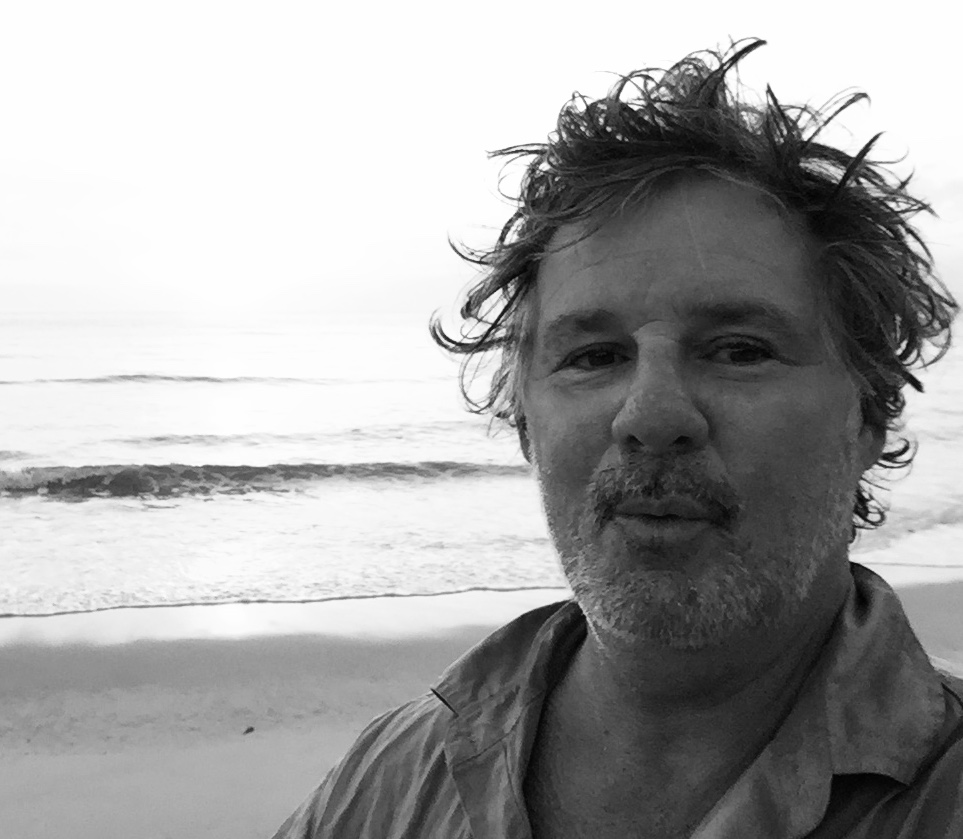


Photo’s: Baz – The Landy, Gulf Country, Northern Australia


And hey, take my word for it…!
I worked in Malanda in the late 1970s and lived in this very pub.
Today, I had my first meal in the Malanda Hotel in almost 40-years and I am pleased it is still owned by the same people, the English family, and it is as grand as I always remember it. And how good is that silky-oak timber.
Um, yeah, a touch of reminiscing going on here…!
But hey, the past is what makes up the mosaic of whom we are today, right…!
Cheers, Baz – The Landy, in Far North Queensland…

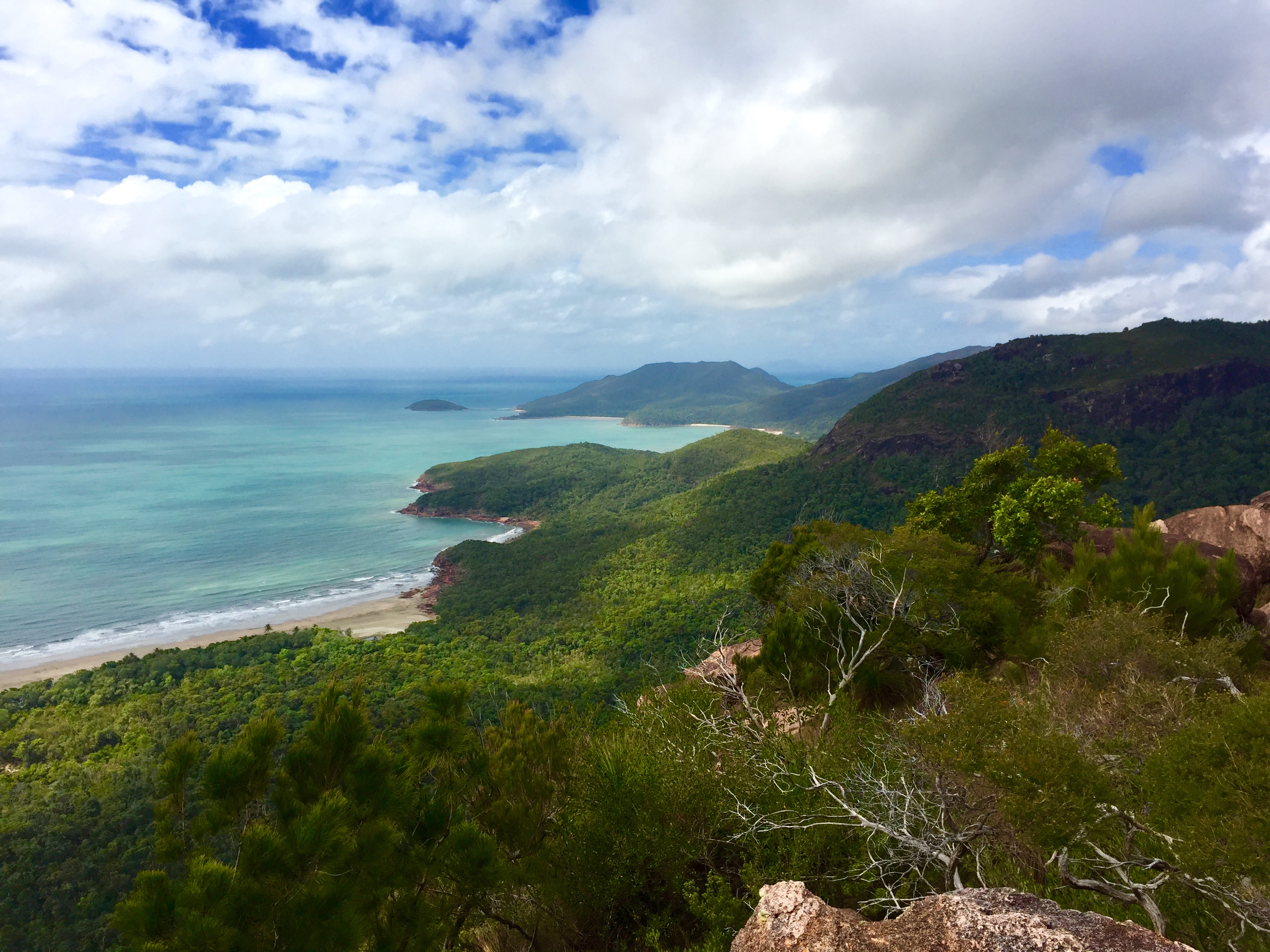
Wonderfully mysterious is perhaps an odd way to describe Hinchinbrook, but as a kid growing up in the region I always remember thinking of it in this way as we stopped at the local ‘pie cart’ on the foreshore. A delightful feature of Cardwell that I am pleased to say is still the case today.

Across the water, the island’s tall peaks stand proudly, densely covered in tropical rainforest and often shrouded in cloud, giving it a mysterious look. A somewhat enticing look that always excited me as a place made of a ‘boy’s own adventure’ and I daydreamed of what I would find as I devoured my pie. And if I was lucky, another.
They say it is never too late and as I stood on the Cardwell Esplanade this week, eating a pie from the pie-man, I looked out across the Hinchinbrook Passage to that mysterious island with the eyes of a young boy. Excited no less than I was all those years ago I contemplated the walk along the Thorsborne Trail on the eastern seaboard of the island that I was about to embark on.


Would I find my boy’s own adventure?
Whilst I am a frequent hiker in the bush and mountains it has been a while since I last strapped on my hiking pack and my fitness levels were showing it, especially after just spending a month in Scotland and England enjoying cream teas and the odd one, or too many, pints of bitter, despite it being warm. Both the beer and the weather!
It is fair to say the waist strap was slightly more extended than usual, but a few days hiking would go some way to sorting that out…
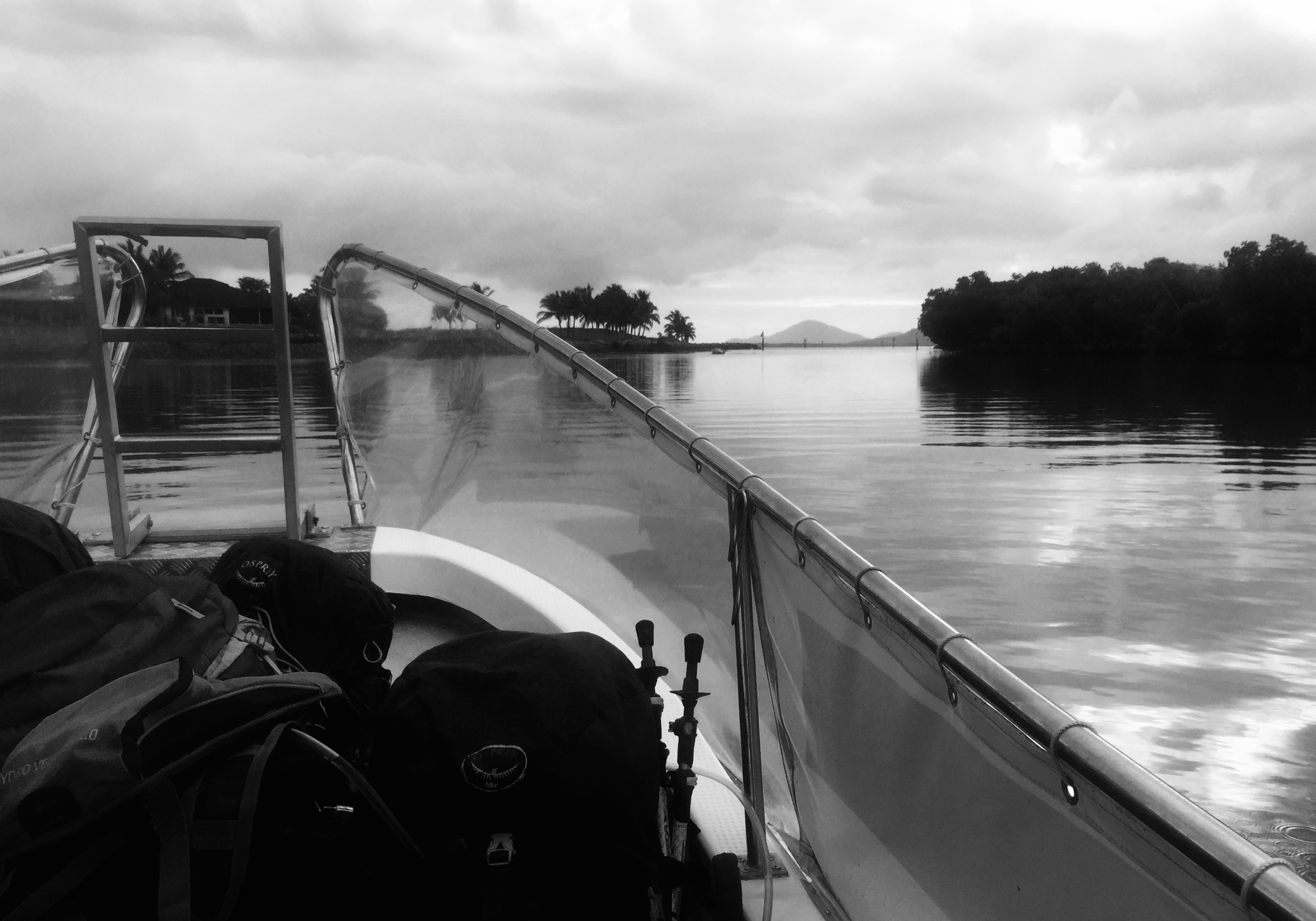
Eagerly, I boarded a small boat that would ferry myself and some other hikers to the island. And under overcast skies we headed towards our drop-off point at Ramsay Bay, situated on the northern part of the island, but not quite at the tip.
We were hopeful of seeing a dugong, sea calf as they are frequently described as we made our way across the shallow passage. Over the past couple of years they have been returning to the area in growing numbers as their natural habitat and food source recovers following the devastating destruction Cyclone Yasi caused in 2011.
Unfortunately, we would not be so lucky to make a sighting on this day.
It is a pleasant boat ride and the skipper, Dean, was keen to point out many of the different landmarks and islands in the area, but before long I was strapping on my pack and walking south on this fantastic adventure.
A comfortable hiking time is four-days and three nights, with camps set at distances sufficient to challenge, but with plenty of time to enjoy the scenery.
My first day was spent hiking from Ramsay Bay, through Nina Bay and an overnight camp at Little Ramsay Bay, which is nestled in the rainforest just behind the beach next to a small lagoon. Before passing Nina Bay I climbed to the top of Nina Peak, a must-do for any visitor to the island. Sitting at the top you get a great sense of the magnitude of the island and a better glimpse of those mountaintops shrouded in cloud and mist.


For this hike I decided to travel light and used a simple bivvy bag and lightweight tarp to shelter from the elements, especially the sandflies that inhabit the island. Whilst a small insect it shows no discrimination in its choice of victim.
The ‘Hinchinbrook Hilton’ as I called my sleeping arrangements served me well and did the job perfectly.
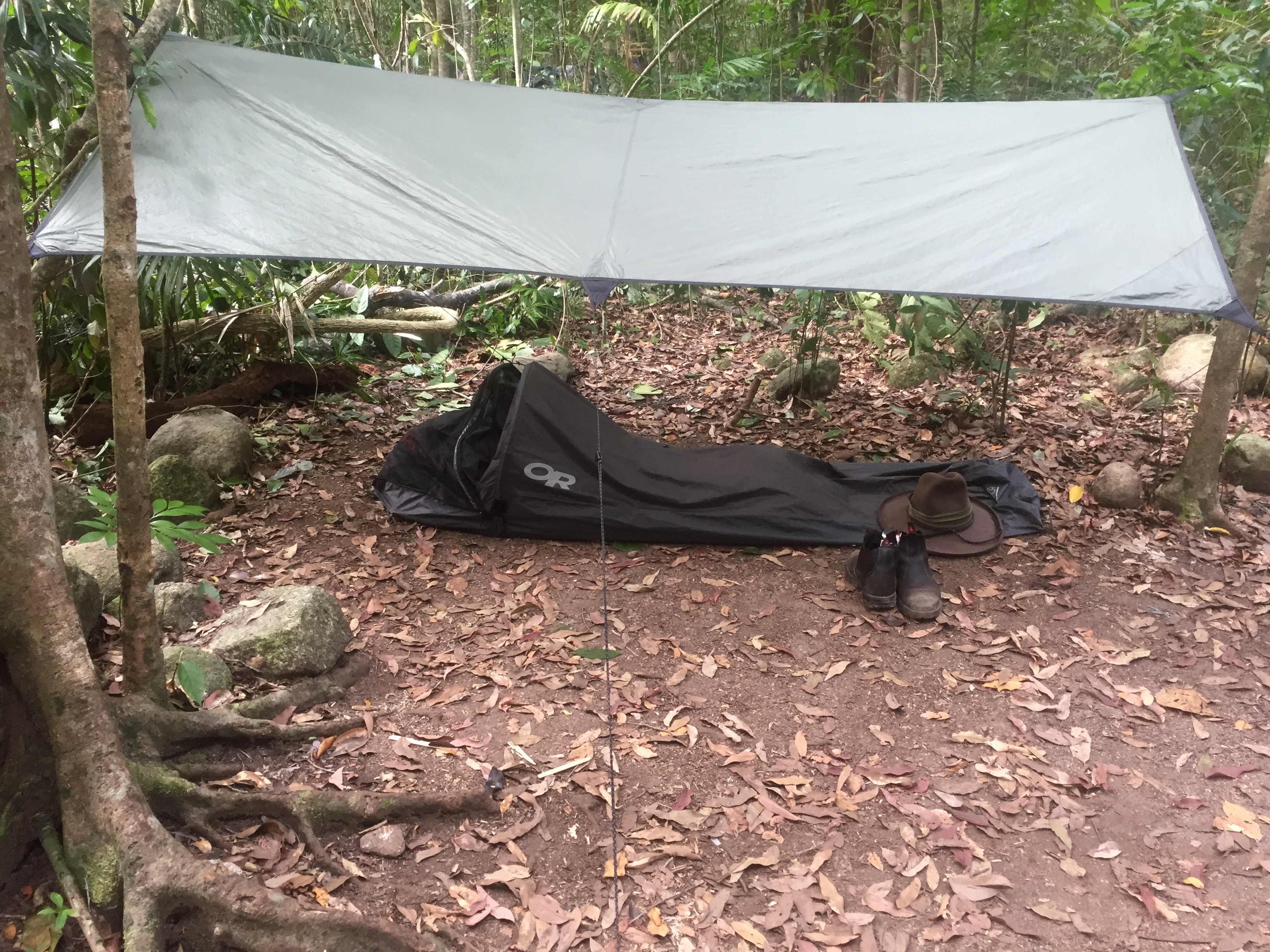
I also kept meals simple, as I usually do on these types of hikes, dining on a ration of French onion soup and beef jerky, supplemented with dried apricots and mango, and a favourite hiking delicacy of mine, smoked hickory almonds.
There was little risk of me starving and besides I had built up a decent layer of body fat after a few months of inactivity, much like a bear about to go into hibernation!
Water was generally accessible throughout the hike and whilst carrying water-purifying tablets I didn’t feel the need to use them all the time, but assessed it depending where I was getting the water. And hey, it is nice to get some fresh, unadulterated drinking water from streams whose origins are in the mountains.


And of course, speaking of water it is sensible to keep in mind that this is crocodile country and they are known to inhabit the island, something I was extremely conscious of as I heard the water lapping onto the beach not far from the ‘Hinchinbrook Hilton’ on my second night at Zoe Bay.
Departure from my first night’s camp on day two was delayed slightly as the National Parks Rangers’ had closed the track between Little Ramsay Bay and Zoe Bay the previous day due a ‘cool burn’ they were conducting of undergrowth nearby to the walking track. I was aware of this in the week leading up to the hike and after they did a quick reconnaissance of the area they reopened the track mid-morning as planned.
The burn had little impact on the walk from Little Ramsay Bay to Zoe Bay.
Leaving Little Ramsay I had to do some rock hopping around the southern end of the beach leading to another beach around the headland before heading into the bush. The track takes you through a number of vegetation types, including dry open forest, rainforest and mangrove swamps and many creek crossings. At times of heavy rain the swamplands and creek crossings would become more challenging.
Continuing south towards Zoe Bay my path took me through a number of palm swamps in tall rainforest between North Zoe Creek and Fan Palm Creek, an area I was able to view earlier on one of the many headlands that I had ascended.

Eventually I found myself on the sands at Zoe Beach and I made way towards the camp situated near the mouth of South Zoe Creek. And let me say, the creek looked inviting, but there were plenty of ‘croc’ warning signs to indicate swimming here would be a mugs game. Mind you, it was only a short walk up the creek to Zoe Falls, where I enjoyed a refreshing couple of hours swimming in the pristine waters…
I shared the night here with a number of other hiker’s enjoying a meal and the camaraderie that is forged from a common interest. And a feature of these campsites is the metal boxes provided for food storage. The island has a large population of native rats and they are known to chew through your backpack to get to your food supply!
The smoke haze from the burn-off provided a spectacular sunset that evening and an equally spectacular sunrise the next morning. And whilst the ‘Hinchinbrook Hilton’ was serving me well, its size provides an incentive to get up and stretch the body early enough to witness sunrise, the start of another day in paradise…!


My third day of hiking started with a heart-pumping climb up behind Zoe Falls and on to some granite slabs above the falls where you get spectacular views of Zoe Bay. And a note to self, next time fill the water containers at the top of the falls rather than at the bottom!
After crossing numerous creeks on the ascent towards the trail’s highest point, which is 260 metres, I was rewarded with great views of the Palm Island Group of islands to the south. I have always marvelled at this island group sparkling in the Coral Sea.
Traversing a variety of terrain I eventually descended to Diamantina Creek where I sat back amongst the trees and listened to the calls of the many species of birds present on the island.
Crossing this creek needs to be done with care as the rocks and boulders can be slippery when wet, and if the water is high and running you would be wise to wait until it subsides. But with the water low I was across and only a short walk to my last camp on the island at Mulligan Falls.
I wasted little time in setting up the ‘Hinchinbrook Hilton’ in this rainforest setting before making a beeline for the refreshing waters of the falls. This is a beautiful spot to relax and with an early arrival at camp I made the most of it.


There is a restricted area above the falls where you are not permitted to enter due to the slippery nature of the boulders and rock pavements and deaths and serious injuries have occurred here. So it is wise to heed the advice.
But as I relaxed against a rock perfectly molded to the shape of my back I dozed in the warmth as my body tingled from the crystal clear water that washed away the sweat and grime of the day’s hike. The only thing missing was a ‘Margarita’ to refresh the soul…!
And a word of warning, if there is one thing you don’t want to forget when visiting Hinchinbrook Island is some form of insect repellant, especially when camping in the midst of the rainforest. This was no more apparent than at Mulligan Falls.
The dawn was welcoming and whilst my sleep was restful when it came, at other times it was punctuated by the sounds of a ‘million mozzies’ serenading me and all wanting a piece of my flesh.
Such is life in the food chain, I guess…
The pick-up point for my boat ride back to Cardwell was at George Point and was timed to coincide with low tide to assist with the crossing of Mulligan Creek.
Situated on the southern tip of the island George Point overlooks the port of Lucinda and the extremely long jetty that transports sugar grown locally to cargo vessels.
Much of the morning’s walk was along the beach at Mulligan Bay and it was with just a touch of trepidation that I crossed Mulligan Creek where it opened to the sea. And not before I walked upstream for a 100 metres, or so, to see if there were any telltale crocodile slide marks on the banks…

Fortunately for me the only ‘crocs’ present where the ones I was wearing on my feet. Not long after I crossed the creek I found myself humming the tune ‘Never Smile at a Crocodile’ which made me laugh at myself. Amusement can be very simple, all that is needed is a good sense of imagination, hey!
Before long I was sitting on the sand at George Point reflecting on my ‘boy’s own adventure’ through the eyes of an adult…
…And rest assured it was with no less enthusiasm and excitement than a young boy looking over to the ‘Mysterious Island’…
Baz – The Landy, Hinchinbrook Island, Far North Queensland.


Ahead of this week’s hike on Hinchinbrook Island I came across one such story as related by a Traditional Owner from the Girramay people. The Girramay come from the lands surrounding Cardwell, in Queensland and this story is common to a number of groups in the region.
A great story to kick-off my hike with!
“An old, old story from long time ago…
Girugarr, we call that bloke the first surveyor, he named all the country, he come from across the sea, we don’t know where he came from. He look like man on top and he got long tail like an eel.
Girugarr comes from across the sea and he stop there on Palm Island, his first foot print is there at Mundy Bay.
The earth was hot and when he put his foot down there was a little bit of splash on the mud, it’s on a rock over there.
He speaks to the old people there, growls at them, “what are you doing?”
Girugarr comes up the channel.
When he comes through the sea up to Hinchinbrook Island there are no waves in that sea. He finds all the old people cutting a candle nut tree down and he asks them what are they doing.
They’re telling him in Guwal, the traditional language, “we are cutting this tree down to find witchetty grub”.
In Guwal the tree is called gabura.
The sea was calm.
That gabura tree it stand up tall and when it falls down into the water it creates waves for the first time…”
Thanks to Marcia, a Traditional Owner, for sharing a part of this wonderful dreamtime story from long time ago.
If there are waves on the passage as I cross to Hinchinbrook Island I will be able to reflect on the dreamtime story of the Girramay people – how good is that, hey.
Photos: Baz – The Landy, Cardwell, Far North Queensland…!

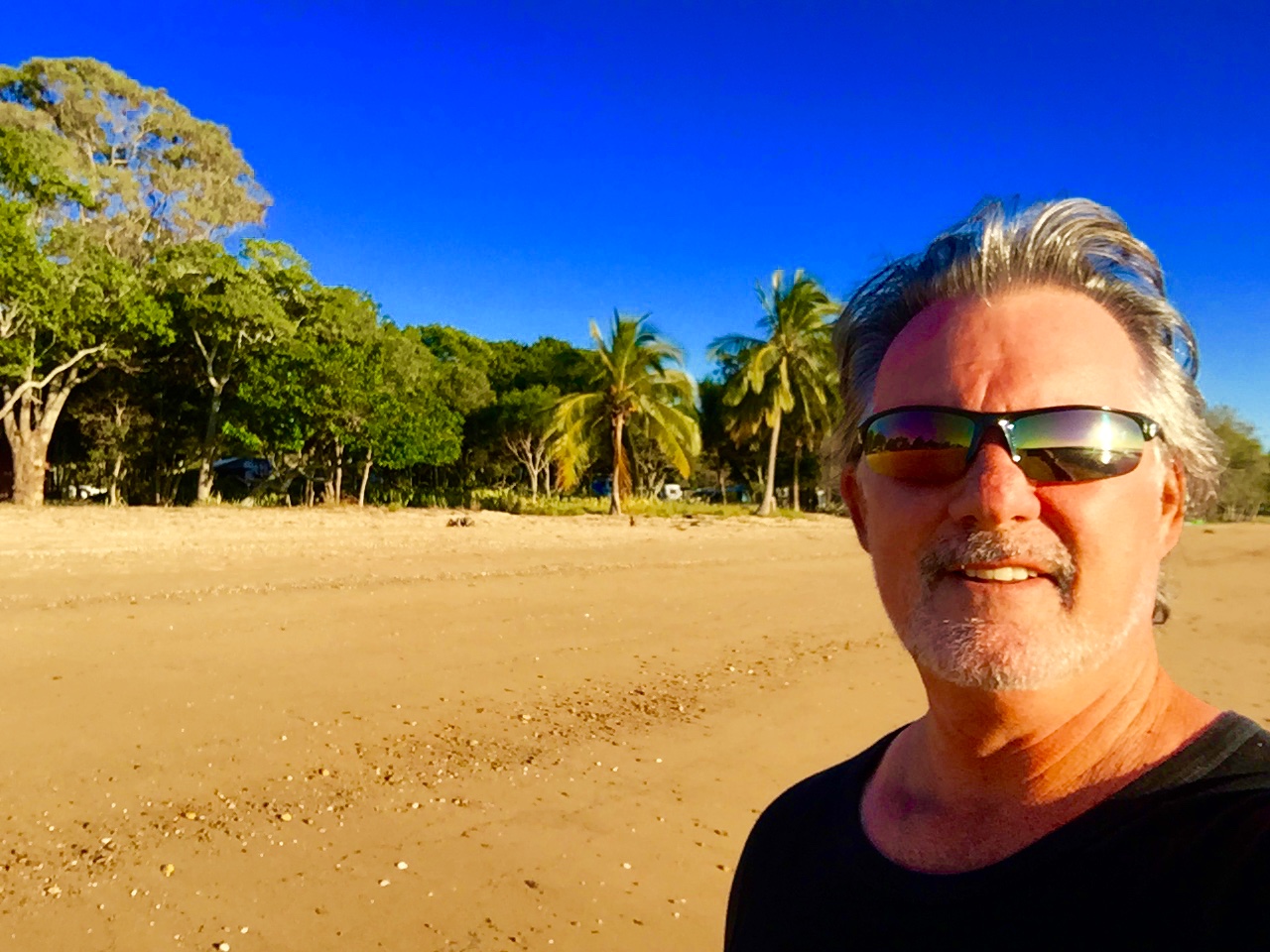
I’ve been reflecting on this statement as I head to North Queensland, especially given there has been some endless driving following the white line on the bitumen road, affording plenty of “thinking time”.
And yes, for sure, I will get off the bitumen eventually and back out into the bush, the outback and some “red dusty roads”.
Mind you, it is quite pleasant travelling the coastal route and I’ve managed to spend time sitting back with a book gazing out across the water as I make my way towards Hinchinbrook Island for a few days of hiking, followed by a trip to Cape Melville, halfway up to the tip of Cape York.


Back to that statement though…
As many will recall, I recently “graduated from work” having decided there was more to life than joining the traffic jam on my way to work, only to do the same thing some (too many) hours later to get home.
Did it truly make me happy?
Perhaps the security of a weekly pay-cheque provides an illusion of happiness, but now that I have let that go and started to focus on “living in the moment” I’ve discovered far greater riches than a financial outcome can ever provide.
Yep, I have concluded that there is far more to life than work…
And hey, let me tell you Janet-Planet and I will be putting the “more to life than work” theory to the test as much as we possibly can.
Perhaps some will disagree with the proposition achievement leads nowhere; makes no difference at all, but as we all take our last breathe in this lifetime, we’ll all be equal, what we’ve achieved will mean little at that point – but being happy to that last moment will be priceless.
Well, at least that is my take on it, but whatever your view, just be happy now – strewth, that is my motto these days…!
Photo: Baz – The Landy, on the beach at Clairview, Queensland.
Ps: Yes, the last you heard from me I was in England, but I am back travelling the country I love. And don’t be alarmed if you don’t hear from me from time-to-time, the beauty of where I am travelling to be is no communications!


Photo: Baz – The Landy, Moreton Island, Australia

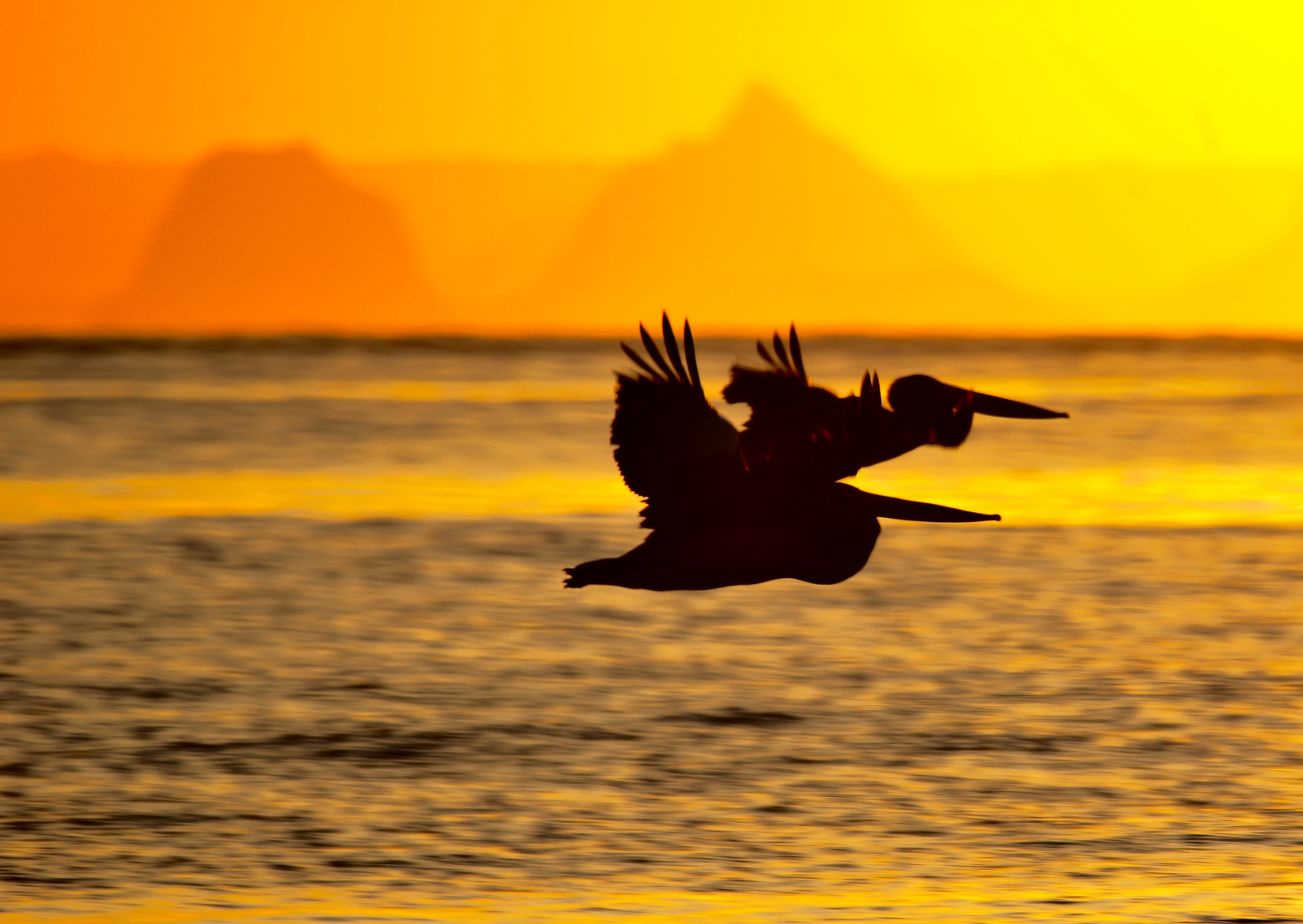
From the top of Mt Ngungun (pronounced “Noo Noo”) and from the beach on Moreton Island as the sun slipped below the western horizon, casting a wonderful golden glow over Moreton Bay and providing a beautiful silhouette to Mt Tibrogargan and Mt Beerwah…


Inhabited by Australia’s first people for thousands of years the craggy peaks that stand tall over the region are so significant that they are listed as a “landscape of national significance”…
And hey, what a wonderful backdrop for two pelicans as they glided off into the sunset.
Strewth, you wouldn’t be dead for quids, hey…!
Photos: Baz – The Landy, South-East Queensland, Australia…


In the language of the Gubbi Gubbi people, Ngungun means “faces” and is pronounced “Noo Noo”…
Photo: Baz – The Landy, Australia…


On a recent foray into the outback we thought we were travelling behind a bus full of Japanese newly-weds…
You know, the ones you see down at the Historic Rocks precinct in Sydney on a Saturday morning.
Lots of smiling faces, nodding as only the Japanese can in their most polite way, married in large groups on the steps of Mrs Macquarie’s Chair overlooking the magnificent Sydney Harbour, and more confetti than you could poke-a-stick at.
Strewth, and just to be clear, lest I be accused of casting a racial slur…
I love the Japanese people.
What would lunchtime be without sashimi – Nikon camera’s weren’t the only thing they shared with the world. And hey, I’m not suggesting there were busloads of them in the outback throwing confetti everywhere either.
I was speaking metaphorically…(okay?)
But crikey – somebody must have been.
There was so much of it you could be forgiven for thinking that it must have come from a mass wedding.
Now I get it, it isn’t the most popular dinner party topic, but thanks to the hilarious 2006 movie “Kenny” we have at least got a little more comfortable discussing the issue around the camp fire these days.
And let’s not beat around the bush here, we are talking about “Poo Tickets”
Crikey, I thought everyone has watched that movie?
Toilet paper, you dill…!
Oh, stop cringing and shuffling in your seat…
And spare us the protest, Kenny dispelled many of those urban myths about…
Mine doesn’t smell and I always clean the bowel…
As a kid I used to visit my grandmother’s home in a small country town and she had an outhouse down the backyard. Anyone from the bush will know what an outhouse is and without doubt they’ve been the butt of many jokes for time eternity.
In Nan’s outhouse there was always a small box of matches sitting behind the door and she insisted one be lit each and every time you arose from the throne!
I thought this was normal and I don’t recall anyone ever complaining about the need to do it, it was just part of the routine…
Although, Uncle Bluey did complain about it once, but that was when my cousin accidently set alight to his prized Playboy Mag he had tucked down the back of the seat that us kids never knew about.
And mum’s still the word on that one..!
So why a box of matches?
Well nothing beats a freshly lit match to kill all other lingering smells …
Come-on, you’re not still cringing, surely?
Needless to say, caution should always be exercised when playing with matches and there was the time Bluey sent the outhouse door over the back fence after a brekkie of Heinz baked beans…(thank God for flushing toilet’s these days, hey)
I’m not sure what was funniest, Bluey sitting there in his navy singlet with his Y-Fronts around his ankles, or the dunny door in the neighbour’s mango tree.
He had that “eyes rolled-up, embarrassed” look that dogs get when your eyes meet as they do their business.
Dog owners will know what I mean…
But, here is the thing, we’ve always carried a little box of redheads when we are Out and About.
In one bold strike you fill the air with the smell of a freshly burning match after a squat, removing the need to protest yours doesn’t smell, and importantly, you can use it to burn your poo tickets…
So, for those of you that head bush please take “Miss Redhead” with you.
She may not ignite your passion, but in the least, she will put a flame to your “poo tickets” and spare our wonderful country the indignity of the unwanted and unsightly “confetti” that has increasingly become part of the landscape…
Baz – The Landy
Ps: Seriously, this is a major problem these days!

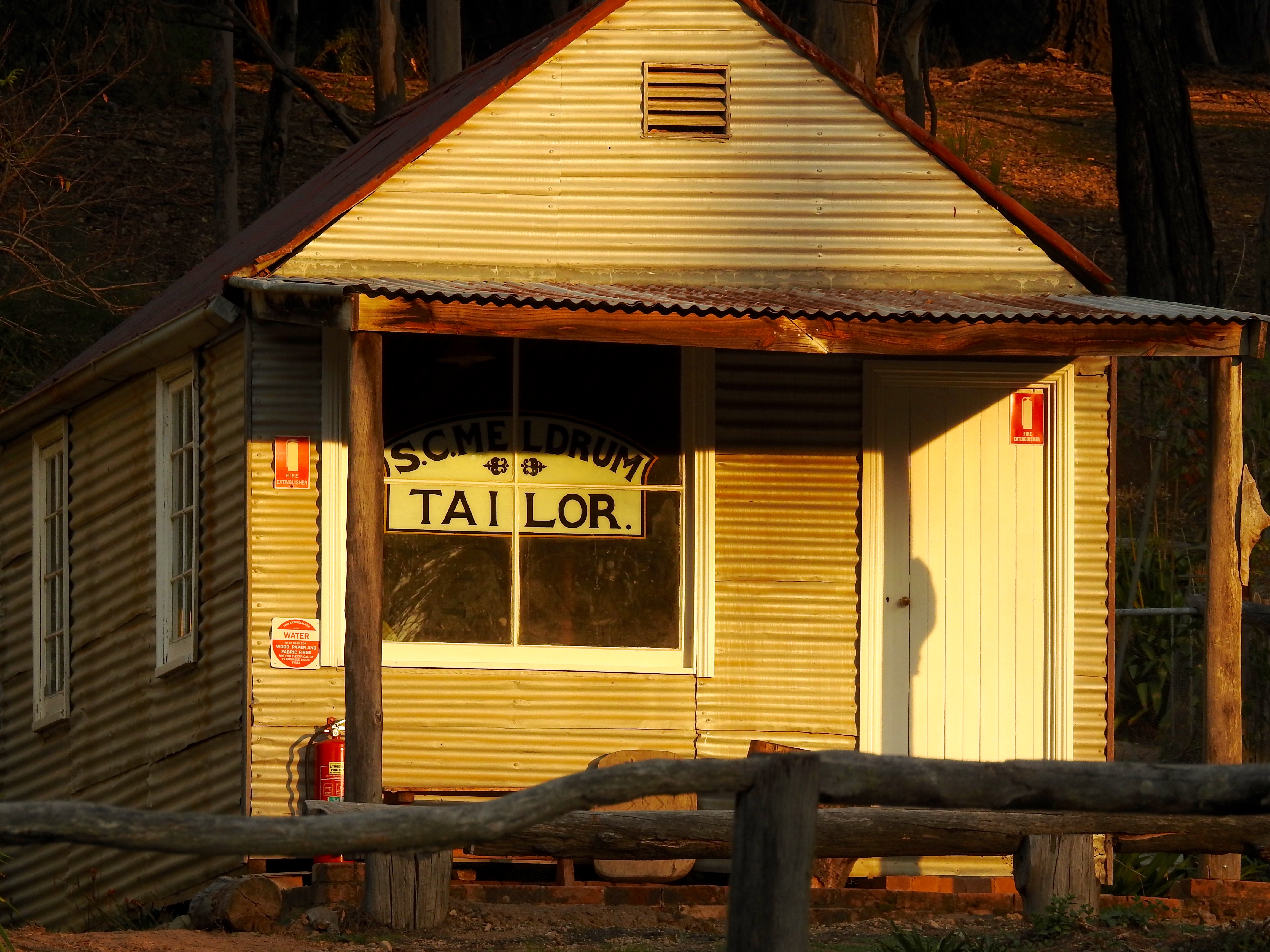
Your mind’s eye is a wonderful gift that enables you to indulge your own thoughts, to pause and reflect…
Sitting around the fire later that evening, embers glowing a soft orange and providing warmth against the chill, I wondered, what thread did the tailor weave in this once thriving bush community…?
I’ll leave you to reflect…
Photo: Baz – The Landy, Yerranderie, Australia…


In reality it is about a six-hour drive, depending on the route you take.
Recently, I travelled via Oberon, the Kowmung River and along the historic Colong Stock Route. A dusty, but scenic route, and I was sure to wile away some time sitting next to the Kowmung River with a mug of steaming black tea as black cockatoos passed overhead…

With a few days up my sleeve I decided to spend a couple of them exploring, photographing, and hiking around the wonderful bush surrounds the town is situated in.
My visit was mid-week and I literally had the place to myself, apart from the caretaker who lives on-site. And the only sound one could hear was the constant chiming of the bellbirds’ call, ringing as they flittered through the trees.
The town is nestled beneath Bartlett’s Head, an impressive rock that stands proud and from its vantage point provides a wonderful panoramic view of the surrounding bush and the Kanangra Boyd Wilderness Area.
The hike to the top is well worth the effort and takes little more than an hour.


And at day’s end there is a rich golden glow as the setting sun reflects off its cliff walls before it glides below the mountain peaks, beyond the horizon, heralding in nightfall as wombats awaken from their daytime burrows…

From Bartlett’s Head you can view the Burragorang Valley and backwaters of Warragamba Dam, which provides Sydney with its water supply.
Prior to the construction of the dam in the late 1950s the Burragorang Valley was home to a small farming community and it provided a more direct access route to Yerranderie from the township of Camden to Sydney’s south-west.

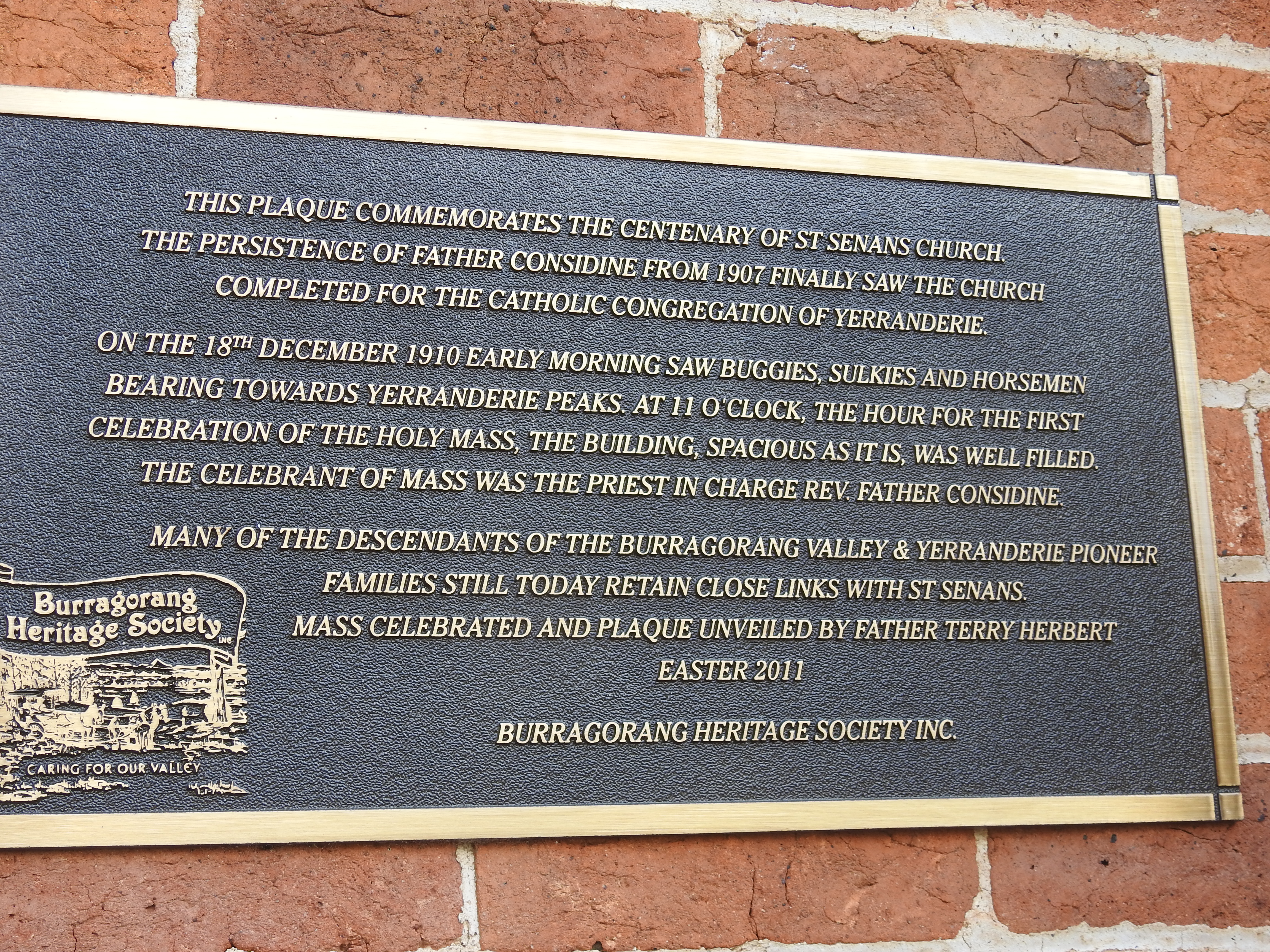 Yerranderie has a history closely linked to the people of Burragorang Valley…
On Easter Sunday a service is held in the local Catholic Church to commemorate the pioneering people of the valley and their association with the town.
An opportunity for old friends to “catch-up”…
Whilst it is a reasonable trek to get to this little gem in the Australian Bush, if you have an adventurous spirit, enjoy a freshness in the air that only the mountains can provide, and a day or two to spare, I encourage you to pack some camping gear and your favourite bottle of red wine to share with friends around the warmth of a glowing campfire – better still pack another bottle and stay one more night!
Photos: Baz – The Landy, Yerranderie, Australia…

If you are “Facebook Inclined” please like or follow us to stay up to date with our adventures…and if you like what you see why not share it with your friends!
The more the merrier we reckon…
Cheers, Baz – The Landy and Janet-Planet…


Our touring vehicle “The Landy” is booked in for a major service tomorrow having done 100,000 kilometres of touring this great country of ours over the past three-and-a-half years.
At the end of the week I will be heading off to experience another type of sand country – Moreton Island, just off the coast of Brisbane.
Despite having lived in Brisbane for a number of years, Janet and I have never visited, so Janet has suggested I head off and do a “recce” of it so we can spend some time there together in the future.
Perhaps she is planning some “girlie shopping” ahead of our trip to Devon, in the South of England, during June and July and needs some space!
Moreton Island, which is reached by ferry, has around 400-kilomtetres of sand tracks to be “Xplored”, pristine waters and wrecks that you can snorkel around, and a historic Light-house built in the mid 1800’s…and they say the fishing is great – well I’ll put that to the test at some stage, but knowing my track record the fridge in “The Landy” will be stocked with a few steaks, just in case!
And I will be leaving the TVAN, our touring camper-trailer, at home in favour of swagging it – simple and easy.


The camera gear is packed, so hopefully the weather will be kind on Moreton so I can get “Out and About” and experience a different kind of sand country…
Photos: Baz – The Landy


By Baz – The Landy
“Up on the hill,
Looking over the land,
A vista so vast,
So splendid and grand,
A Bellbird sings,
It’s a familiar tune,
A lyrebird dances,
Feathers fanned in full plume,
Nearby a ‘roo bounds,
Always nimble on its feet,
Joey’s in the pouch,
It’s a prime viewing seat,
There’s the whistle of the wind,
Rustling softly through the trees,
As an eagle overhead,
Soars high, so carefree,
Now night is descending,
The sun ever so low,
There’s the crackle of a fire,
And warmth, as embers glow…”
Poem and photos: Baz – The Landy


Photos: Baz – The Landy, and Janet-Planet, at “The Basin” located on Pittwater just to the north of Sydney.

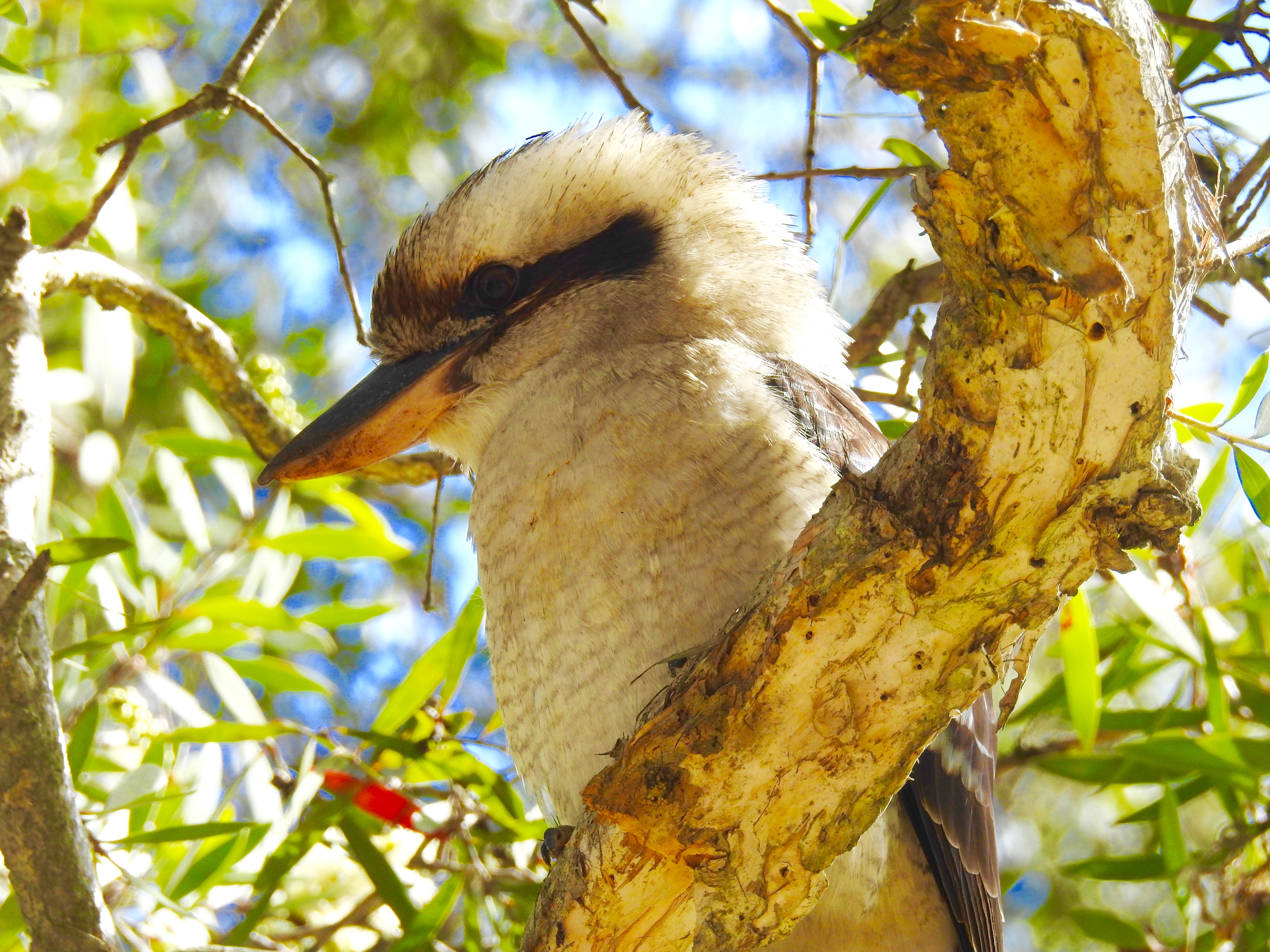
The Kookaburra’s bush anthem rings out, typically at 4:30am every morning, but hey, what would Australia be without them..
Photo: Baz – The Landy, Out and About in the Australian Bush….


Visitors to the Hunter Valley, which is situated two-hours drive from Sydney’s CBD, will know that Pokolbin is the epicentre of this spectacularly beautiful area.
I am never backward in coming forward when presented with the opportunity to get Out and About in the Australian Bush so I jumped at the chance!
Of course, as with most things, there was a hitch…
The week was to be spent in support of our sons and daughter’s annual Military Cadet Camp.
This entailed cooking and washing up duties and general support around the camp. Filling jerry cans with water to slack the thirst of the cadets as they went about various exercises.
Mind you, it wasn’t really a hitch, after all who would not want to do that for the cadets, their son or daughter?
But with circa 330 cadets on camp, this was no small task – it was cooking on a grand scale and certainly nothing akin to “rustling up” the family breakfast on a lazy Sunday morning!


Impressively, the camp is run entirely by the cadets under the supervision of the cadet unit’s Commanding Officer and his support team. This includes logistics co-ordination and scheduling of exercises, all within a set chain-of-command.
During my week on Singleton Army base I had the opportunity to observe our son, TomO the Crown Prince, on manoeuvres in the mountains on Broken Back Ridge, a ridge that forms a natural boundary to the region.
For anyone who has been up on Broken Back and along many of its fire-trails will attest to the spectacular views it commands over the surrounding countryside.


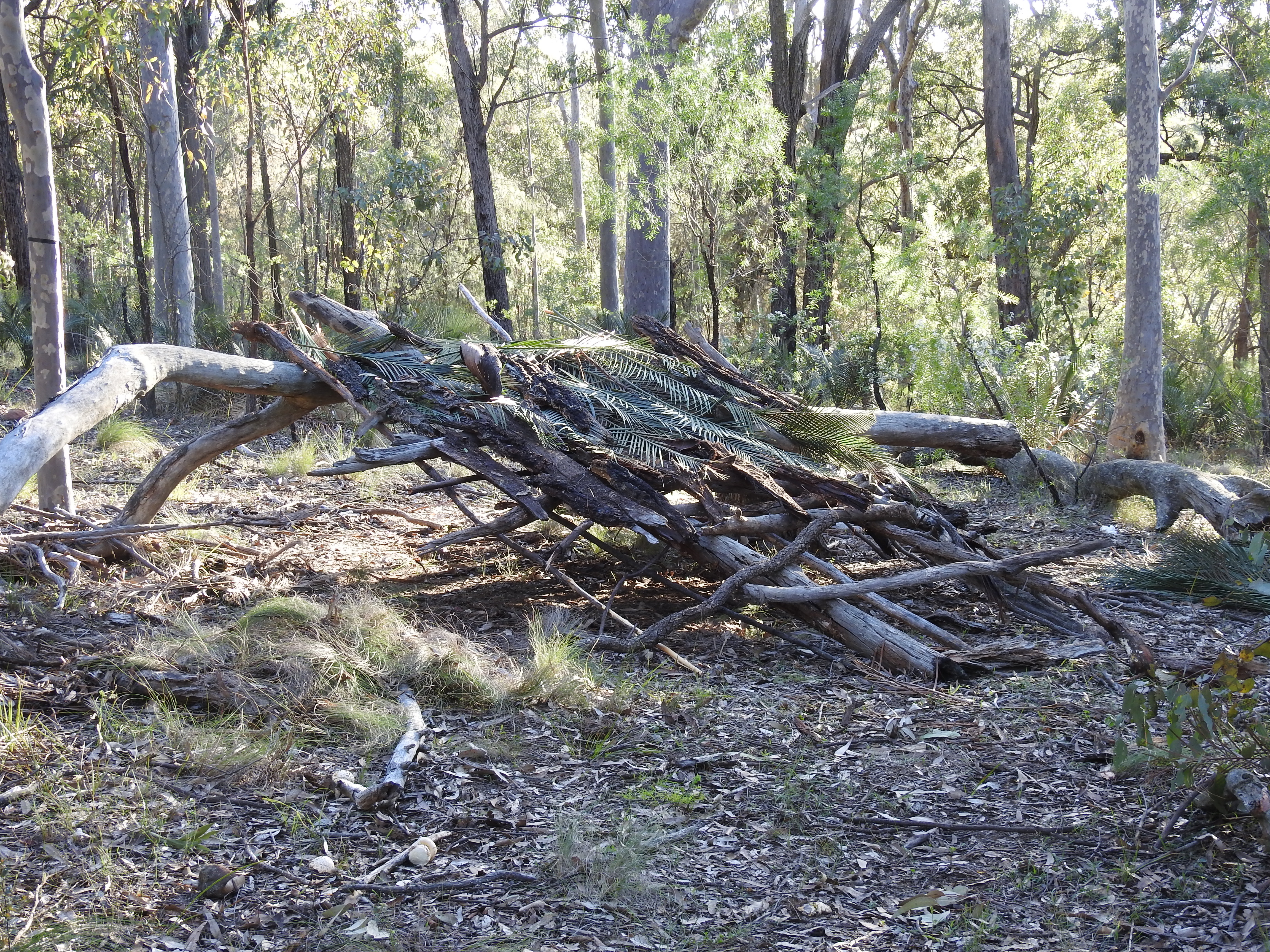
I spent a couple of chilly nights up there, one of them quite wet, but I was doing it in the relative comfort of my trusty and dry swag. The cadets had to build survival shelters to sleep in…!
Whilst on Broken Back myself and a couple of the other parents were part of an exercise where the cadets came across a vehicle that had been involved in an accident. They were not aware of the exercise in advance, but they quickly employed learnt skills rendering medical assistance to the injured, whilst securing the area from possible “enemy attacks”.
Red colour dye, a tin of spaghetti and a couple of skeletal bones provided the props for authenticity…!
They excelled and we lived to recount the tale.


The Cadet unit at Barker College has a great history that spans the decades from the First World War and has seen many of its cadets go on to a military career, something that TomO is intending to do.
But it wasn’t all hard work for the cadets or the parents.
The last night was marked with a parade, a bush Chapel lead by the school’s Chaplain, the Reverend Ware, who was honoured at the service for his contribution to the Cadet unit over the past 25 years.


And after a meal that would satisfy any soldier just “in from the field” there was light-hearted entertainment when the cadets and parents alike performed a variety of skits. Let’s say, some were rehearsed more than others, but that was the fun of it all…
The parent’s skit won the night, apparently the first-time ever, with an exhibition of a drill march.
Perfect? No-way…
But that is what made it all the more entertaining for “the troops”.
This was truly a great experience for me and I am sure I am not alone in that sentiment…
Forged by the adverse conditions they faced it was a highlight to witness the camaraderie amongst the cadets as they were taken outside of their comfort zones. Young men and women from Barker College, our sons and daughters taking leadership roles, following orders, working together towards a common goal and ideal.
Along the Kokoda Track at Isaravu in Papua New Guinea there are four stone monuments inscripted with the following…
“Courage, Endurance, Mateship, Sacrifice”
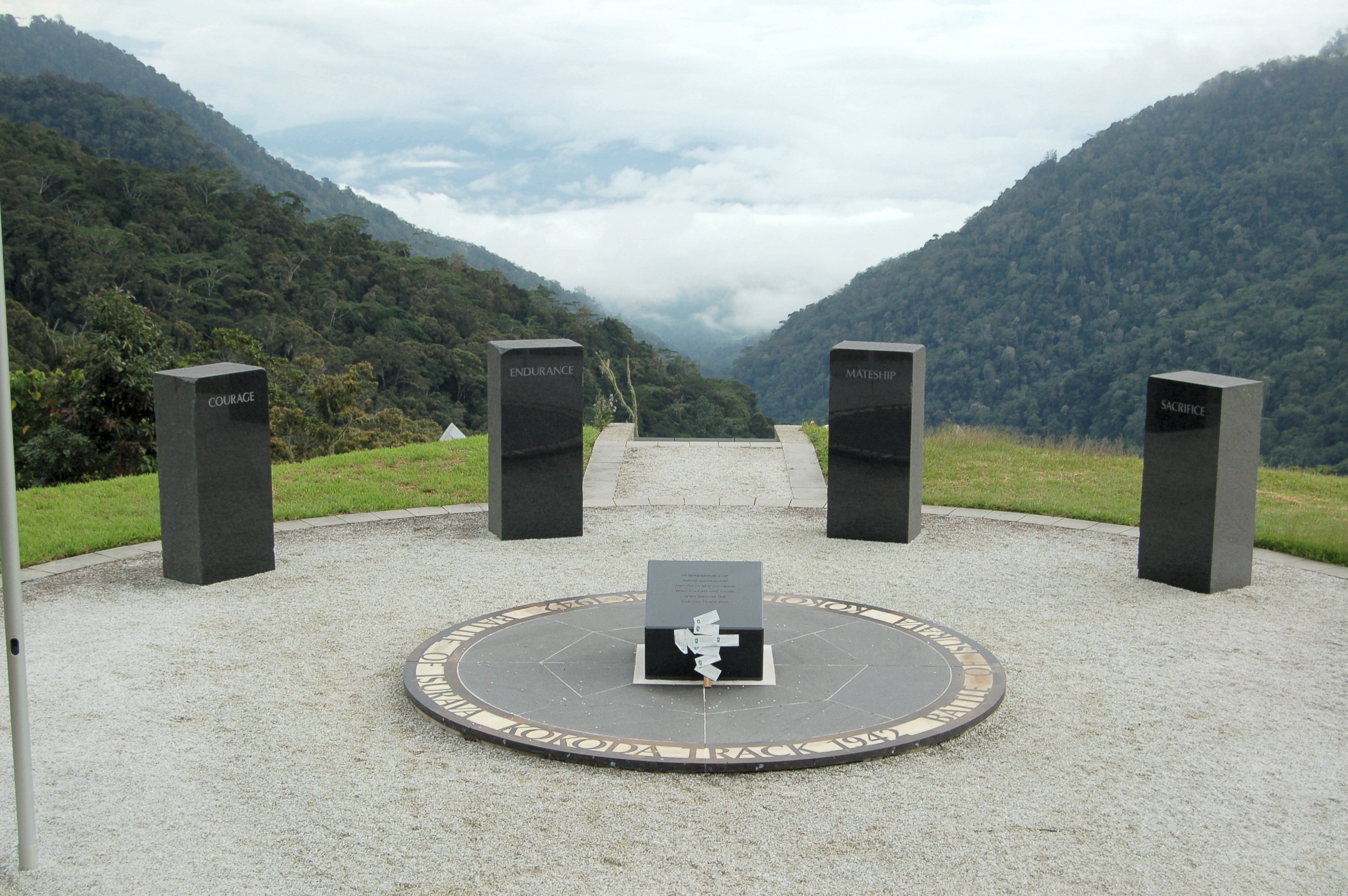
For those who have had the opportunity to stand there and reflect it is a moving experience…
During my week at camp I observed examples of all four of these qualities amongst the cadets and any parent who had a son or daughter on parade should be extremely proud of them.
I certainly was,
Bravo, Corporal Tom O’Malley
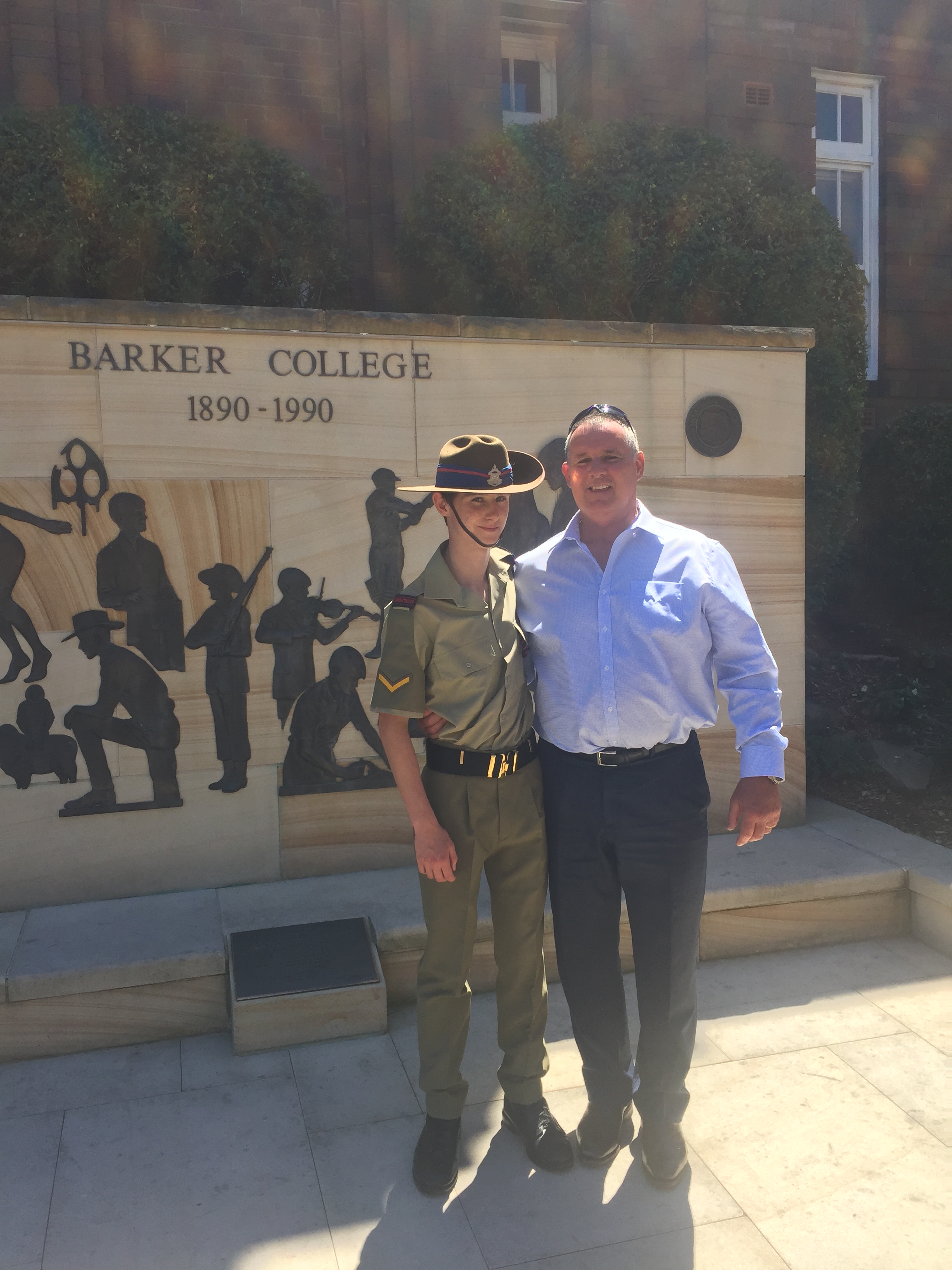
Photos: Baz – The Landy


As part of TomO’s school curriculum he does military cadets and is keen to advance to a full military career in the future and this coming week he is off to an army cadet camp at Singleton Army barracks in the Hunter Valley.
And this year I get to tag along and join in the adventure, although I suspect for me it will be peeling sacks of potatoes and onions to feed the “starving” cadets who will number approximately 330.
Mind you, a week in the bush is right up my alley and with a bit of luck I get to drive one of the army trucks and take a ride in a black-hawk helicopter – such is life in the “retired ranks”…
Speak to you in a week, Baz – The Landy
Photo’s: Janet-Planet


And I use the word haunt literally, as it is rumoured the upstairs guest rooms are haunted.
The pub is now owned by former Wallaby Bill Young and if you are visiting on a weekend be sure to take a look upstairs as it has a small museum and the accommodation rooms do look inviting, even if you might be sharing with a ghost from the past…
And if you ever stay there, let me know how you get on!
The village stands alongside the Hawkesbury River, which travels further upstream towards Windsor and downstream to an opening at the sea near Barenjoey. A car ferry transports you to the other side where you can travel towards either Spencer or the small Hamlet of St Alban’s, either of which are a very pleasant drive.


We are frequent visitor’s to the area and have spent many hours wiling away time in the park next to the river.
On a recent visit we took the ferry to the other side and walked up Devine’s Hill to a place called “Hangman’s Rock”.
It sounds ominous and folklore suggests that in the early days of settlement and at the time the Great North Road was being built, that convicts were hanged at this rock. But history does not point to this ever occurring.
But it isn’t hard to see why the folklore surrounding the rock evolved…

What makes the walk worthwhile, apart from being Out and About in the Australian bush, is the opportunity to view the magnificent work done by convicts on the road that was built northwards towards the Hunter Valley. In fact, it is along this walk that you can best observe the Great North Road as this part is now closed to vehicle traffic and has been preserved.


So if a bit of a hike up a small mountain, some history and a magnificent steak washed down with a cold beer is your thing, then head out to Wiseman’s Ferry for a day – I guarantee your first visit won’t be your last
Photo’s: Baz – The Landy & Janet-Planet

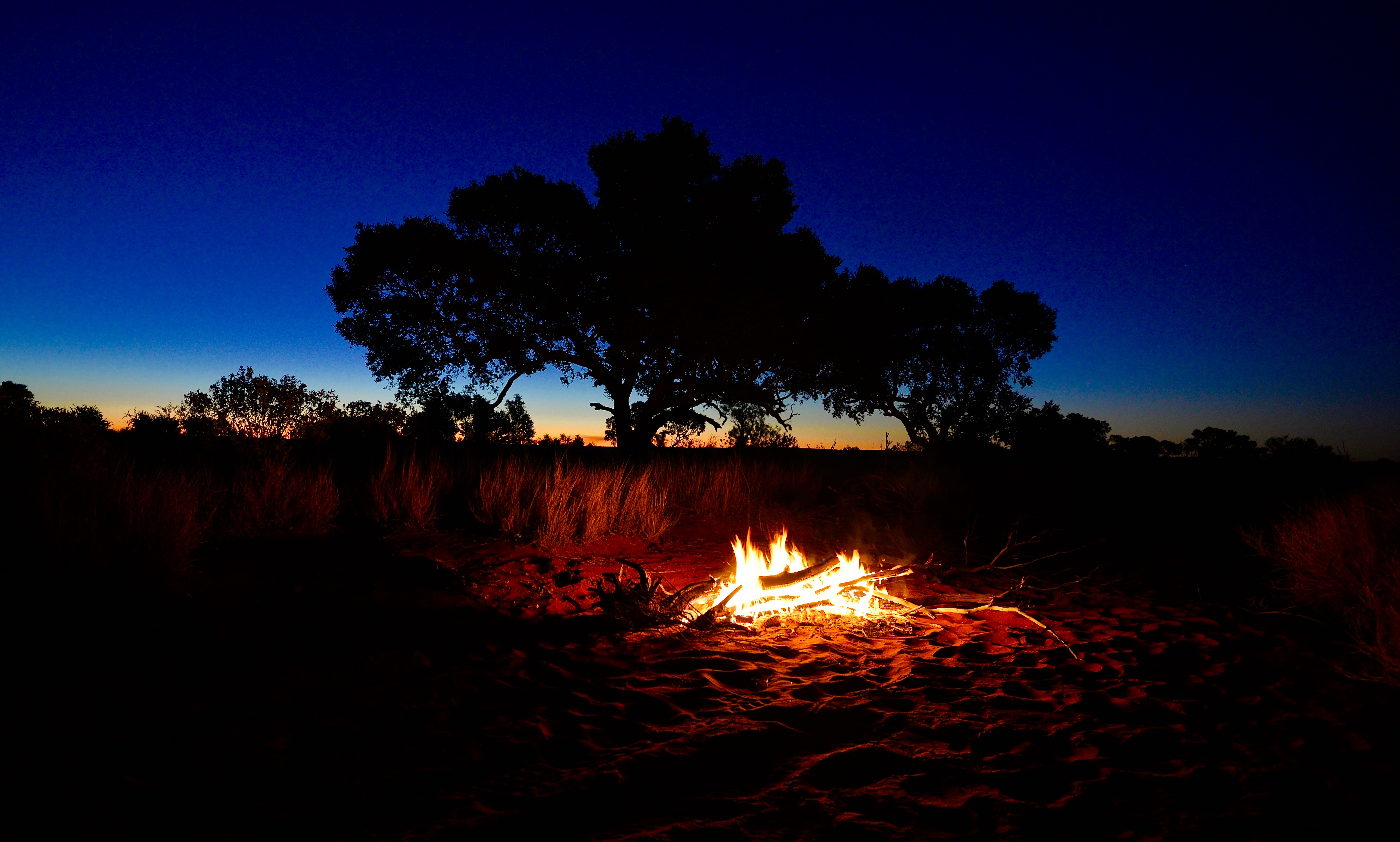
Photo: Baz – The Landy, Canning Stock Route, Outback Australia

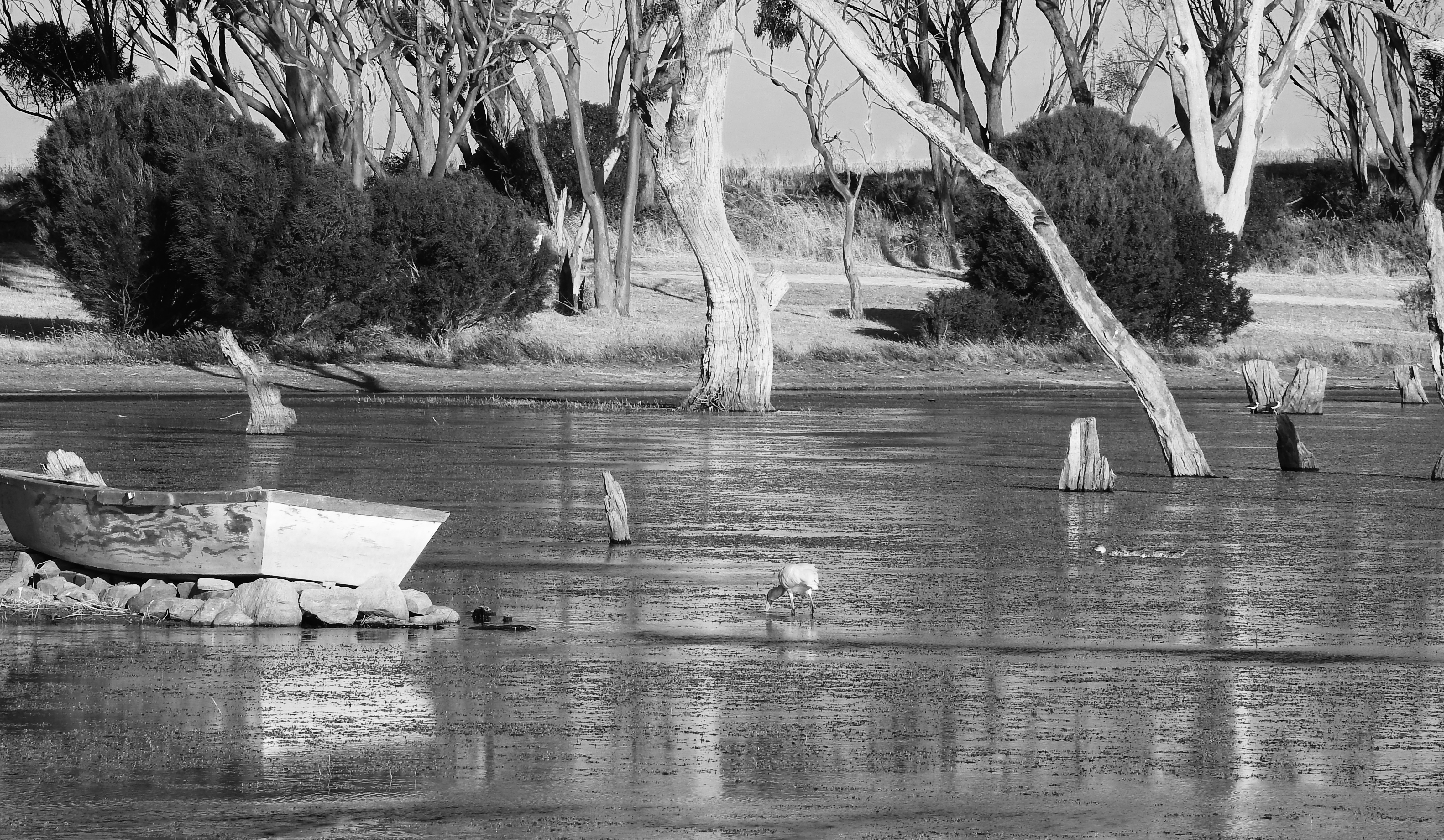
Photo: Baz – The Landy, Kangaroo Island, Australia

 Xplore
