I’ve just spent the past four days with the team from the Australian School of Mountaineering, ASM, learning more about rock-climbing and advancing my rope handling skills.
This was done in the Blue Mountains, just to the west of Sydney, a place where I am finding myself with increasing frequency of late, and not surprisingly as there is plenty of opportunity to hone my abseiling and climbing skills on the abundance of cliff faces in the region.
And what better place to do it than one of the world’s great mountain heritage areas.
Whilst my ultimate goal is high-altitude climbing, there are basic skills that can’t be practiced enough, much like military drilling, to ensure that the skills are second nature and can be performed under extreme conditions. I have been placing a lot of focus on rescue skills, after all, it is good fun until something goes wrong, and whilst there is always a chance of that how you respond will have a great bearing on the outcome…
That isn’t to say it shouldn’t be fun, and when I embarked on this journey I made a promise to myself that if I stopped having fun it is game over and time to do something else…
And we did have a lot of fun, and Shane, who instructed me on my advanced abseiling and rope rescue course, laughed as we welcomed each other and asked whether I can tie my shoelaces yet? Sadly, I had to tell him I couldn’t, but I had mastered quite a few other knots.
There were three other people on the first two days of the course as it has various stages that can be done separately, and with some time due off from work, I decided to spend four days in the mountains to cover as much as possible.
Our climbing was done in the spectacular Mt York area, not too far from the small township of Mt Victoria, against a very scenery backdrop.
The course began in the headquarters of ASM located in Katoomba covering important aspects such as safe movement on and around the cliffs.
On the first day we undertook a series of small climbs at Mt York, in near freezing conditions. These climbs left me wondering what they call larger climbs!
It was great to be on the rock-face, improving skills under the guidance of our very experienced instructors, and there were even some moments where I happily found myself outside my comfort zone!
Our second day was spent entirely on the rock-face, climbing and learning, and we managed around five climbs of varying degrees of difficulty.
It was nice to have the weekend pass knowing that I still had another two days in the mountains learning and climbing. I did this with Nathan, another ASM instructor who was covering important areas like route selection, hazard assessment, and protection systems. We did some revision work on rescues using Z-drags, and abseiling an injured climber in tandem. I hope the need never arises, but it is important to be proficient just in case either is called upon as a rescue tool.
We were greeted with fantastic weather for the final day which was spent setting up climbs, climbing, and moving on to another climb.
It was quite an exhilarating weekend of climbing, learning new skills, getting outside the comfort zone and just having fun out and about. I can’t wait to get back out there for another crawl up the wall.
As for Dope on a Rope, let’s just say I’ve improved greatly!!
I’m off to climb in the Blue Mountains this weekend to further advance my skills with the team from the Australian School of Mountaineering, the weather is perfect and I’m chomping at the bit…
I am currently investing time in developing and advancing my rope handling skills with a big focus on self-rescue and rescue techniques generally in preparation for a climb I am doing in New Zealand this coming January, Mt Aspiring in the country’s South Island.
I’ll be spending a total of two weeks in New Zealand, training and practising my skills and working on steep technical climbs as well as crevice rescues.
Later in 2013 I am heading to Nepal to climb three 6,000 metre peaks, Island Peak, Pokalde, and Lobuche East. This will enable me to further develop my skills, visit a wonderful country with my family, and to be able to take a peek at Cho Oyu.
My aim is to make an attempt on Cho Oyu in 2014.
Cho Oyu is the world’s sixth highest mountain and possibly one of the easiest of the world’s fourteen 8,000 metre peaks. Although, this is more because of the ease of access, as there is nothing really easy about exposing yourself to 8,000 metre peaks.
I have partnered with Adventure Consultants, a New Zealand based high altitude Specialist Company that was started by the legendary Rob Hall and Gary Ball in the early 1990s. Their stories are ones of great adventure and determination and I’d encourage anyone with an interest in adventure to take time to read about them. And I must say the team at Adventure Consultants have been very helpful thus far in assisting me to meet my goals.
For me this is a journey, of which one can never be sure of where it will lead, or what you will see and do along the way, and that makes it incredibly exciting. It also provides the motivation to take my fitness to a completely new level.
I am a great believer of simply living in the moment and sometimes I feel like I am planning my life away, however there is much planning to do, and as we all know, time seems to fly…
But, it is one step at a time, so I’m looking forward to this weekend, and the backdrop of the Blue Mountains makes rock climbing in the area even that more pleasant.
That is what I was thinking as I headed for the shed this morning for my daily row on a C2 rowing machine, it was 4.30am…
Exercise is a daily habit for me and always includes rowing, possibly a 10 kilometre walk with a 30 kilo backpack, or some sort of strength training later in the evening.
My friends often comment how much I must like exercise and how easy it seems for me, and true, for the most part I do enjoy it, but as for it being easy, no way, I tell them it is no easier for me than it is for anyone else.
The key is, I tell them, you need to be motivated to do it.
We have just witnessed the world’s greatest sporting spectacle, the Olympics. Those elite athletes’ train for years, day in, day out, they have highs, and I’m sure there are many lows.
Usually their motivation is to be the best, to represent their country, to bring home the Gold, to make their country feel proud as they stand on the top of the podium, the Nation’s Flag saluting their achievement as the sound of their National Anthem heralds their success…
“But what about the rest of us, where can we find our motivation, our inspiration?”
The Shed
This morning as I made my way up the pathway to the shed in the pre-dawn darkness, a time of day I usually revel in, I was searching for that motivation, something to inspire me, to push me towards my own goals.
“As I wiped the sleep from my eyes, there it was, a vision of why I am doing this, my inspiration… “
Twelve years ago, TomO, our son, was born almost six weeks prematurely. There wasn’t any medical problem for Janet, my partner, in fact everything progressed as normal, but seemingly the little bloke was ready to take on the world and he wasn’t going to wait a moment longer…
A large contingent of medical staff was assembled, ready to provide the life-support that might be needed, it was a humbling moment, but he announced his way into the world in the usual way and was strong enough to take his first breathe without the assistance of the gathered team.
“Those first moments spent cradled in the security of his mother’s loving arms…”
He spent his first three weeks in the intensive care unit of the hospital, growing stronger every day. This was his struggle, his challenge, and he met it head-on, unflinchingly…
Yes, this was my inspiration, my motivation, the miracle of life, and the will to live…
Hands up if you think one of the best parts of camping and being in the outdoors is camp food.
On our travels we try and cook around an open fire using our cast-iron camp oven at every opportunity…
It is a way of bringing us all together at the end of a day, to talk about what we did, our experiences, and usually the only sounds you hear are the crackle of twigs burning, of birds heading to their favourite roost for the night, and of laughter, friendly banter being exchanged around the fire…
Janet, my partner, is a wonderful cook, and without fail she will cook up a batch of scones or a damper in the camp oven to be devoured with lashings of butter and golden syrup much to the delight of all…
Looking back at old photographs is like opening a time capsule, you just never know what you are going to find, and usually there are one or two little gems to bring a smile to your face.
I was at my partner’s parents home recently, Clare and Archie who are 83 and 98 years old, and over a cup of tea we were flicking through books of old photographs. The themes varied from trips overseas, the children growing up, and of Archie’s childhood in India.
You could pick any photograph and Archie would narrate a rich account of when it was taken, and the story behind those who were in it. And there were photographs of Clare’s childhood days, growing up in far western Queensland on the family’s sheep property, and of her days at boarding school in Charters Towers.
The conversation turned to our upcoming adventures, and my journey to climb an 8,000 metre peak close to where Archie grew up. Over the years I have listened to the many stories of Archie’s trips to Darjeeling, situated in the foothills of the Himalaya’s, and in later years of visits both he and Clare made back to Calcutta.
One story is about a mountaineering expedition group who turned up at the offices of James Wright and Company, General Merchants, the family business in Calcutta. The suave and handsome couple were in a rather irate mood as they stepped out of the taxi, demanding to know why they had not been met at the ship upon their arrival. Being general merchants, Archie and his father dealt in all kind of goods, and were the agent’s in India for the popular drink Ovaltine.
“These mountaineers were here to climb Mt Everest and they were going to drink Ovaltine all the way to the top, extolling its virtues to the world.”
It had all been arranged in England prior to their departure and there was surprise and indignation that they had not been afforded the courtesies expected upon their arrival. They even had a copy of the telegram from the Head of the company that made Ovaltine in England informing of their visit.
This was a gentlemanly age and young Archie arranged for the expedition to be put up at a first class hotel where they could rest after their long sea voyage, and ahead of their attempt to climb Mt Everest.
And rest and avail themselves they did indeed…
Unfortunately, there was to be no attempt on Mt Everest as the mountaineers were well practiced con people. After spending a number of nights in the luxury of the first class hotel, taking advantage of the young Fawthrop’s generous hospitality, they disappeared into the night, leaving Archie with an expensive hotel bill and the need to provide an account to his father of how he had been done by a slick group of con artists’.
But he could be forgiven, after all Ovaltine accompanied Sir Edmund Hilary on his ascent of Mt Everest with Tenzing Norgay in 1953, and the company went on to sponsor Chris Bonnington’s 1975 Everest expedition.
And speaking of Tenzing Norgay, as we continued our journey through the albums one particular photograph caught my attention, a black and white snapshot of Clare and Archie, and I was sure it was Tenzing Norgay, the famous mountaineer, standing beside them.
On a visit to Darjeeling, Archie and Clare met and spoke with Tenzing, a remarkable and quietly spoken man, whilst dining at the Darjeeling Club.
TomO, our son, was very excited at the discovery, a link to where we will travel next year when I attempt to climb three 6,000 metre peaks, Lobuche East, Island Peak, and Pokalde, all situated not too far from Mt Everest.
“Was the Ovaltine story and the photograph a sign-post on our own journey, a connection to the region brought about from Archie’s younger days? In the least, it enriches the experience for us…”
And as I climb in the Himalaya’s Archie’s Ovaltine story will be sure to put a smile on my face, warming me like a hot cup of Ovaltine on a bleak winter’s night…
There was a hint of an Indiana Jones Adventure in the making as we stood at the top of Nellies Glen, the sky darkened by a moonless night as we readied ourselves to go in search of…
“The Exotic Treasures of The Temple of Baal”
Fellow adventurer, Ray Tong and I set off in near sub-zero temperatures along an old bridle track, The Six-Foot Track, taking our first steps cautiously to ensure we didn’t slip on the ice covering the ground. Established in 1884, it is a well trodden path linking the township of Katoomba in the Blue Mountains to the picturesque Jenolan Caves to its west.
The 45 kilometre track initially traverses majestic forests and national parks deep in the Megalong Valley and is often trekked as a 2 or 3-day walk. Although, every March there is a six-foot track marathon run and the front-runners will complete the distance in around 3 to 4 hours despite the mountainous terrain.
Angel’s Wing, Temple of Baal, Jenolan Caves
The Jenolan Caves, containing some of the world’s most spectacular calcite crystal formations, have been entrancing visitors since 1838 and are the world’s oldest, dating back over 340 million years.
The glorious Orient Cave and the glittering Temple of Baal are indisputably among the world’s best…
Our route took us along fire trails and well-worn tracks in the Megalong Valley, an area steeped in early Australian settler history, before heading up on to Black Mountain Range, a tough section as the route winds its way up the mountain.
When the route was first surveyed in 1884 it took the exploration party around 11 days to make their way through the rugged Australian bush. We had planned on around 11-12 hours of walking to cover the distance to the caves carrying 15 kilogram packs.
And whilst that was the plan, we were content with just getting out and about in the mountains on another adventure.
The area is important to the Gungungurra people who moved throughout the various valleys in the region. The track even passes the site of the last recorded Gungungurra corroboree and a cricket ground where an all-aboriginal team played the Megalong settlers in the 1890s.
“And it would hardly be an adventure worthy of Indiana Jones unless there was a swing bridge of some kind along the way”…
Baz & The Swing Bridge
An interesting feature on the track is Bowtell’s Swing Bridge, a suspension bridge over the Cox’s River that was constructed by the army in 1992. It is used as an alternative crossing when the Cox’s River is too high to cross safely. It is such a beautiful spot that we were tempted to set up camp, but we were still a long way from our destination so we settled on a break to take in the peace and solitude that the flowing river brought.
The area teemed with wildlife, kangaroos feeding on fresh green shoots of grass, and Gang-Gang cockatoos, squawking, as though heralding our passage through the tall standing gum trees.
As we made our way up along the Black Mountain fire trail the silence of the Australian bush was punctuated every so often by motor-cycle riders who use the area for recreational riding, and occassionally, a four-wheel drive vehicle.
And as the sun lowered in the western sky, disappearing behind the mountains, and the air cooled, the Stately Caves House came into view, a most welcome sight after 11 hours of trekking.
Caves House
We took a look around the caves area and were later met by our families before heading to the small rural township of Oberon, situated about 30 kilometres away, where we were able to relax over a beer, reflecting on our journey, and…
Okay, there are many pursuits that could be classed as risky, dangerous, some more so than others, but really, it still comes down to one’s perspective, doesn’t it?
So Janet, my partner, and I were having a bit of a debate about this earlier today ahead of a trip we are making to the Blue Mountains, just to the west of Sydney this weekend.
And I will set the scene here, Janet is no wallflower, together we have flown aeroplanes, jumped out of them, abseiled off the side of the AMP building in Sydney side-by-side, and even rafted down some wild rivers in Papua New Guinea – so there’s no doubting she’s up for adventure and happy to balance risk against outcomes.
So when I said to her that a weekend of shopping in the Blue Mountains with her two girlfriends, we’ll just call them Kimbalee and Lisa to protect their identities, is risky and dangerous it seemingly fired her up a touch. It actually made me chuckle a bit, because it was a bit like when you were a teenager, you know, when you got sprung by your parents, as though they were mind readers, before you did whatever it was that you weren’t supposed to, and left you with no option but to go on the defensive…
“How’s that she asked? And besides, aren’t you climbing and abseiling off some rock walls isn’t that a little risky?”was the retort…
And true, I will be doing that, thankfully spared from being dragged from boutique to boutique, art gallery to art gallery, mind you, some of the art galleries are very nice, and the prospect of being in the company of these three attractive young ladies was pleasing, but I was looking forward to the outdoor activities I had planned.
I thought I’d better choose my words carefully here because as lovely natured as Janet is, she could stare down a stampede of cattle at a hundred paces.
Well I suggested these girls, Kimbalee and Lisa, were seasoned shoppers, fearless and old-school who live to the creed “if you can’t decide which one you like, buy the lot”. In the right setting that might be okay, our bank balance might just scrap through relatively unscathed, but these boutiques were high fashion, and that’s before we get to the galleries…
Sensing she had me on the ropes, of which there was a certain amount of irony, and with a glint in her eye she said…
“But haven’t you always said that if you are going to do something, learn to do it properly, and then go out and practice it until you are an expert?”
True I thought, and about this time I was wishing I hadn’t tried to be so smart, and had just gone about my daily routine without throwing out the bait, so to speak.
I should have seen it coming…
“So how much did you say those climbing boots are, you know the ones you’ll need for New Zealand, $700, $800, I’ve never bought a pair of shoes that have cost anywhere near that amount”. Was that a smile I detected, a cheeky little grin, as she turned away slightly?
I was looking for that big hole to swallow me up, and started to understand just how a stampede of cattle might just be feeling right now, stared down by Janet.
Yes risk and danger, it’s there wherever we look, in whatever we do, and as I climb and descend tomorrow, I’m sure that the klinking sound of carabineers on carabineers will be equalled by the ringing sound of a cash register playing the tune of three wonderful lady’s having fun, and of course, giving their cards a workout…
You’ve got to love the Aussie Shed, a beacon in a sea of green grass that is usually found near the back fence on any Australian suburban house block. I love my shed and even though it was designed to house a couple of cars, and all that stuff that you accumulate over the years, you know, the Christmas presents that you couldn’t stand but didn’t have the heart to send to the refuse tip, they all invariably end up hidden away in a dark corner of the shed.
As a long-term fitness junkie, my shed houses surfboards, kayaks, a Concept C2 rower, and my weight-lifting racks and associated equipment, as well as numerous bikes collected over the years. Not surprisingly there is a small collection of old Landrover parts and camping equipment. And yes, the odd Christmas present that seemed like a good idea to someone long-ago.
Mind you, not all Aussie sheds house exercise equipment, unless of course you count the bar fridge in the corner which is standard equipment. Often you’ll see the men-folk doing some elbow bending as they drink a toast to the day passed, usually just around the time the sun is going down over the yard-arm. And like a bunch of Cockatoos, high on the fermenting nectar of fruit consumed under a hot Aussie sun, the squawking tends to increase as the amber fluid flows. And you can be sure a fair amount of advice is passed around, an exchange of ideas, thoughts, happenings, and the odd joke or two. A bit like Speakers Corner where everyone is given a chance to say their bit, to tell their yarn in a not too serious way.
But I’m digressing…Each morning around 4.30am, or silly-o’clock as Janet, my partner suggests, I make the journey out the back door and up the driveway to the shed. Even the dogs, Milo and Jack, can’t be bothered to get out of their beds, preferring to wave me through, especially on these colder winter mornings. Although, usually after about 30 minutes or so one of them will wander up to see what is going on, but I suspect if they could speak they’d actually be asking for a feed, seemingly oblivious to anything else, such is a dog’s life. Depending on the day I’ll either pursue my strength training, or use the rower for my daily cardio fix and although I would prefer to be out on the water kayaking it isn’t always convenient during the week, so the rowing machine is a great substitute.
I must confess upfront to being an early morning person, I guess you’d have to be to manage a 4.30am start each day, but it does have its advantages. In between the clanging of weight plates being moved, or interval sets on the rower, I can stand outside in the pre-dawn silence and marvel at the stars in the sky, the wondrous universe with you at its centre, once a month watch a full moon setting in the western sky, and if I’m lucky even a shooting star to ponder a thought on.
And what of the neighbours I hear you ask, what if they don’t share my love of the early morning? I must say it is hard not to be tempted into playing some heavy metal, AC/DC or Led Zeppelin (okay I’m showing my age here!) to help the mood and give that much needed pump for the session. But alas, it is mostly done in silence, apart from a moan or groan under the weight of a squat bar, or the last 500 metres on the rower. But fair to say, if I head up for an afternoon session, which is more often than not, it is always accompanied by some loud rock or heavy metal music. I’ve always said that Theo, our next door neighbour, is a closet heavy metal fan, so the relationship has never been strained, he doesn’t always say much mind you, but smiles a lot, so maybe he’s actually deaf. And I’m frequently visited by Janet, and TomO, our son, during these sessions, which is always welcome, mind you there would never be any chance of that happening in the morning, in fact I don’t think they know what 4.30am actually looks like.
There was a suggestion not too long ago that maybe the shed could be converted and upgraded to have a loft, an upstairs area where TomO and his mates could hang out, maybe even move into as he advances in his teenage years. You know, a brand new building without the cracks that have accumulated over the years, possibly from too much heavy metal music resonating through the walls, or perhaps just cracking up from the tall stories that have echoed from within – but it just wouldn’t be cricket, and besides where would I put the bar fridge?
No thanks, I like my shed just the way it is, and as the sun slowly sinks below the yard arm in a brilliant display of burnt orange…Cheers, from the shed!
As a kid I relished the chance of playing in the mud, waiting for the rains to come to create that oozing, chocolate slush that you could roll in, throw at your mates, and of course get a dressing down from your Mum when you got home with clothes so dirty they needed two wash’s to get clean.
Surely I wasn’t alone in this pleasant past-time? And if the rise and success of the various adventure races, the ones that invariably have numerous mud pits strategically placed around the course is any guide to go by, then clearly I wasn’t.
Recently, my 12 year old son, TomO, and I headed off to compete in a Tough Bloke Challenge which was staged just to the south of Sydney. And I do use the word compete lightly as this was intended to be a fun day out and whilst there were some serious looking competitors’ lining up at the start, for the most part everyone was similar to ourselves, eager to get down and dirty!
The first challenge was almost on the start line and required us to scale a stack of hay bales, and then on to a 3-kilometre trail run to warm us up for what lie ahead. There was mud trenches covered with barbed wire, dark concrete tunnels, monkey bars to negotiate, flying foxes to ride, and all this along a 7-kilometre course. We egged each other on, laughing our way around the course, jostling with thousands of others sloshing through the mud.
A lot of time could be spent hypothesising on what has encouraged so many weekend-warriors to line up with their mates, seemingly happy to put themselves through a gruelling work-out just to receive a medal, and a cold beer to drink a toast to crossing the finish line. But let’s face it – rolling in the mud is just great fun!
As a financial markets professional who has been involved in the foreign exchange market for over a quarter of a century I must say one of the most enduring lessons I learnt from an early time in my career is an old adage that has served me well – ‘plan the trade and trade the plan’.
Banking, and later financial markets was not always my career goal and as a young school boy growing up in Townsville, North Queensland, I frequently looked out the school window to watch a Mirage or Neptune heading into land at Garbutt airbase. My heart was set on a career in the air force flying aeroplanes. Of course, in reality, very few people get to achieve that dream, but mine was cut short when I discovered at the air force medical that I shared an impairment that many males do, colour deficiency. Over the years it has been graded as moderate to severe, seemingly dependent on what test was being given, and who was interpreting the result.
Naturally it was hard to accept that something totally outside of my control had cut short a potential military flying career.
My early days in the banking industry were spent within the branch network of a major bank, and then into a specialised department dealing in international trade. It was around this time that the Australian dollar was freely floated by the Labor Government of the day and by luck or design, perhaps a bit of both, I found myself involved in the fast-paced and stimulating world of foreign exchange trading.
I have often been asked why I didn’t pursue a career in commercial aviation, but at the time, colour deficiency was a major barrier to advancement in the industry. But as the years passed, I decided that it was time to revisit my goal of flying aircraft and headed to Bankstown to undertake my Private Pilot’s licence course. I achieved this in 1994, and purchased a Piper Arrow 111, a retractable, constant speed aircraft, that myself and my partner, Janet, could tour the country in.
Being a methodical planner and risk manager, I relished the task of planning trips, many didn’t come to pass because of the conservative approach I took to considerations such as weather. In fact many people both within the flying fraternity, and outside of it, congratulated me on my approach, but of course hidden within this seemingly good trait was a dangerous flaw that had the potential for deadly consequences.
In 1996 I planned a flight from Bankstown to Essendon to visit family members who had just given birth to their first child. The planning had been done and the VFR route I was taking was west from Bankstown over the Blue Mountains via Katoomba, Wagga, Albury, Eildon Weir, and on into Essendon. I had reviewed it numerous times and had programmed the route into a newly purchased GPS.
The Saturday morning arrived and I was looking forward to the three-and-a-half hour flight. The weather was to be fine to Wagga, with some showers developing along the ranges to the south of Albury.
I settled into the flight over the Blue Mountains and was on track according to my maps, and confirmed by the GPS, and the weather was as forecast and expected for this stage of the flight. After passing Wagga and setting course for Albury I made the required radio calls for clearance through the Albury control area which I received with a word of caution from the controller that there were showers on the western side of the ranges and I would most likely encounter these along my route. Would I like to consider diverting via Wangaratta?
I took the time to process this suggestion, the weather ahead still looked okay, despite what I was being told, and I would always have the option to backtrack, or divert should conditions become unacceptable for VFR flight. Of course, what really was happening was a reversion to the ‘plan the trade, and trade the plan’ lesson learned all those years ago. I had planned this flight immaculately, it was in my GPS, it would be a hassle to change, and besides sticking with a well thought out plan had always served me well.
And perhaps that might have been a reasonable decision to make if experience was on my side, and if I had the capacity to not only realise when the flight along the planned route was no longer acceptable, and only if I was capable of acting immediately once realised.
I informed the controller I would be continuing as planned, to which he put the question one more time – would I like to divert via Wangaratta where the weather was fine.
The flight proceeded towards Eildon Weir, but the cloud base was lowering, and so was I, and I did look behind me frequently to ensure I had an out should it be required. But of course that option closed about the time the weather ahead of me deteriorated, and not surprisingly in the hilly region nearer to Mansfield. My concern elevated quickly, realising I was now confronted with the possibility of needing to do a precautionary search and landing, which was not without its risks, and I was looking fervently out the window for a place to do this. But even at this point, I don’t believe I was fully committed to this action. The second flaw was now kicking in, failure to act. Seemingly I was delaying any action in the hope luck would be on my side.
I contacted Melbourne arrivals, whom were possibly monitoring developments and was given clearance to track towards Essendon, the weather had improved slightly and as I tracked west it cleared into a fine day, highlighting that had I tracked via Wangaratta the flight would have been much safer.
I have frequently looked back at this flight as a defining moment on many levels. It encouraged me to go on and obtain an instrument rating so I could better recognise marginal VFR conditions, and have a safety release valve for dealing with it when encountered.
But importantly, it demonstrated to me that I was very inflexible once I had planned something, it may have saved me and my employer a lot of money over the years, a product of ‘planning the trade, and trading the plan’, but this inflexibility has no place in the cockpit, and of course it almost cost me my life on this particular day.
And over the years I have read many accident reports, loss of control in cloud, VFR flight into marginal conditions, failure to act despite recognising that action is required – it is all there, and yet I never thought it would be referring to me.
An invaluable lesson was learned that day, one that has been at forefront of mind each and every day since…and of course it takes on a new level of importance these days as mountaineering requires a high level of flexibility!
Footnote: At the time of this flight I had logged around 200 hours of flying time and went on to log around 1,000 hours, including IFR time. I sold the aircraft in 2000, and have flown very little since.
I’m sure much can be said and written about someone who has two Landrover Defenders, and I’ve had a good chuckle at the usual Landy jokes that frequently come my way!
But after my Defender 130 Twin Cab, ‘The Landy’, was overhauled and configured for long-range remote touring in 2006 my attention turned to another project. I was actually in need of a vehicle to drive to work, so I decided, much to the consternation of Mrs. Landy, to buy a Defender 110 in need of work, but adequate for the job until I got around to it.
In 2007 I settled on a 1994 Defender 200 TDi that was in reasonable working order, and over a period of time simply drove it to find out what needed to be done and what I wanted to do with it. This was the three door Panel Van style Defender, as distinct from the usual five door Station Wagon format; it had three seats in the front and not one piece of computer controlled equipment!
Cavernous
The rear is cavernous and consequently Red Rover spent many weekends over the past four years transporting garden rubbish to the local refuse point, an important fallback point for both vehicle and myself when the time came to discuss finances for the overhaul…
Now Mrs. Landy quite enjoys driving ‘The Landy’ and does so frequently, however when it came to ‘Red Rover’ she suggested that driving a tank would be easier and would save having to do strength-training just to enable her to depress the clutch, or wearing ear muffs to stave off the early onset of deafness. I was tempted to point out the onset of deafness had indeed commenced as whenever we discussed ‘the overhaul’ it appeared to fall on deaf-ears, however not being one to push my luck I settled on highlighting an overhaul would fix all those issues…
Fast-forwarding to 2011, the time had come to ‘update’ Red Rover and after giving it much thought and putting aside many of the ‘ideas’ I had for it, I settled on keeping it as original as practical. So it was off to Bruce Davis Performance Landy’s, Sydney, for a complete ‘going-over’ and check-up.
As with ‘The Landy’ the brief was simple, ‘Red Rover’ had to be at a standard that you would be happy to take to any of the remote areas in Australia, with confidence…
The running gear and drive-line was overhauled, new Tough-Dog shock absorbers and maxi-drive axles were fitted to replace the standard issue. All hoses were replaced, the radiator overhauled, a Safari Snorkel and front bash-plate added and two new seats to replace the ones that were falling apart. The centre seat was not replaced.
The engine was in good condition, and apart from fitting a new head-gasket late in 2010, little else has been done to it despite having over 330,000 kilometres on it today.
After getting the mechanical ‘nod’ of approval it was off for the cosmetic work, which included a respray, new door seals so I no longer need to wear wet weather gear when driving in the rain, and an interior make-over supervised by Norm from the Department of Interior, Sydney.
Trimmed out
For those not familiar with this model Defender the only trim it came with was a hood lining in the front seating compartment, other than that it was very ‘rural’. The middle seat has been replaced by a custom made console that also houses a GME 4400 TXUHF Radio, and an across the windscreen shelf roof console inserted along with map reading lights.
The rear was kept very simple; a floor put in across the wheel arches, with an under floor access section fashioned into it at the front. This was done to provide ease of access due to the depth of the rear area and the whole panel has been covered in marine carpet. The roof has also been lined providing some much needed insulation in winter.
A near new set of Cooper ATRs were fitted along with TPMS tyre pressure monitors. We have trialled the TPMS monitors on ‘The Landy’ for some time and are very happy with the product. And it even got a new set of LED taillights.
It has been pleasing to take the vehicle from its previous condition to something that presents well, and is capable of doing any tracks or touring we might throw at it (Anne Beadell 2012?). And I did suggest to Mrs. Landy that it could play ‘wingman’ to our Defender 130 (The Landy) on our trip to the Gulf Savannah that commences in late June. However, whilst casting an eye of approval over the final result, she did quip that whilst it no longer sounds or rides like you’re in a tank she thought it best to leave it at home, and with a wink quickly added it was far too early to expose it to the risk of getting a ‘scratch’…….
You can’t miss it on the road, fire-engine Red so be sure to give it the ‘Landy Wave’ if you’re passing!
‘The Landy’ was packed, the Tvan attached for its first extended trip, and we were ready to head-off on another northern adventure and whilst it seemed like an eternity since our last trip north, in reality it had only been twelve months…
Thomas,Tomo (the walking hat,) gave the grandparents a lasting hug, Janet was seen giving last minute instructions to Milo, the wonder dog, and was heard to mumble something about making more sense out of Milo then she does me, most of the time anyway, and I did a final check to make sure the Tvan was in fact attached… and with the usual puff of smoke The Landy chugged to life, seemingly to the annoyance of a flock of cockatoos’ nestling in the tree opposite who protested in a most vocal way.
The drudgery of the freeway to the north-west, the escape route from suburbia, soon gave way to the foothills of the Blue Mountains and as we settled into the dawning moments of our sojourn we began to reflect on what it must have been like for the early explorers’ as they made their way westward, journeying on foot, horseback, and bullock dray. These days the trek over the mountains is done mostly in the relative comfort of a modern vehicle, although Janet was heard to whisper, under hushed breathe, something about there being little difference between a bullock dray, and The Landy.
Progressing westward my thoughts crossed to the characters that have passed this way in days long gone. Who were they, what took them this way, and did they find what they were looking for? Of course the obvious and famous were at fore of mind, visionaries such as Blaxland, Lawson, and Wentworth, three intrepid and famous explorers who helped open the way west. But what of the others, people who have lived in this rugged land, those who visited fleetingly, those who never left…
With this in mind I vowed to spend time looking for those characters that have enriched the Australian Outback, who have helped define Australia’s identity, and that would mean visiting the social centre of many towns and communities we would pass through, the local pub – all in the name of research, of course…
The first day was spent travelling on the black-top via the towns of Lithgow, Ilford, Mudgee, Dubbo, Narromine and finally to Nyngan. Passing Narromine I recounted it is often referred to as the town of Champions being the birthplace of Olympian Melinda Gainsford-Smith, and cricketer Glenn McGrath. On a previous trip to the Corner Country we stayed at the caravan park located on town’s substantial airfield. The airfield, established after World War 1, is home to the oldest rural aero club in Australia and was used as a training ground for RAAF pilots in World War 2. Over the years it has counted Charles Kingsford-Smith, Charles Ulm, Chuck Yeager, Nancy Bird Walton, and Barry O’Malley as visiting aviators.
In 1835, explorer, Major Mitchell was the first European to document a journey along the Bogan River, describing the area around Nyngan as ‘a long pond, with many birds, ducks, and brolgas’. The local aboriginal word ‘Nyngan’ is said to mean ‘long pond of water’. In 1882 the town’s site was surveyed, and buildings from an earlier settlement at Canonba 30 kilometres away were moved to the present Nyngan Township.
Many will remember the notorious floods in 1990 that focused the attention of Australians’ on this rural township. Despite the laying of 260,000 sandbags around the town, it was to no avail and the entire population was evacuated to safety by army helicopters. And one of the helicopters used in the evacuation is usually located in the town’s main street, standing as a monument to the work it performed in helping this community, but for reasons unknown it wasn’t there on this occasion. Tomo has had countless photographs taken with it, and we had hoped to get another for the collection before heading to the local RSL to dine and drink a toast to our first night on tour.
Early morning Nyngan
Henry Lawson wrote (The Paroo River 1893), “Tis said the land out west is grand! I do not care who says it”. And with that resonating in my head we set off towards the Paroo River area and a camp near Hungerford in the Currawinya National Park.
Heading north along the straight road to Bourke we passed the small township of Byrock, a favourite place of ours, and we stopped for morning tea, but I’ll write more on Byrock later as we will be returning this way. In fact, we had planned to head further west, before turning northwards, taking in Tilpa, the Corner Country and Innamincka, but we decided against it due to the flooding in the region over the past couple of months. Mind you, we needed little encouragement to visit Hungerford and Currawinya.
Bourke has a very colourful history, and was once a major river port, and much of this is still visible today. You only need to trace the Darling River to see what a major feat it must have been for the river boats to ply their trade along its course. Henry Lawson once wrote, “If you know Bourke, you know Australia’’ and whilst we didn’t spend a lot of time here on this occasion it is easy to see what he was saying.
Of course, we’ve always said that when you cross the Darling River you’re in the outback and with that in mind we cheered in the outback as we crossed the river at North Bourke. Tomo had bought a new hat before leaving Sydney, so he christened it into the outback here! Along the dusty road we gave up counting the emus’ after a while, they were prolific!
Crossing the border at Hungerford
Pulling up at the dog-proof fence at Hungerford, Tomo jumped out of The Landy and did the honour of waving us through before running the last 100 metres or so towards the pub, The Royal Mail which was once a Cobb & Co staging post. Now the grandmothers may not approve, but Tomo has been a frequent visitor, with his parents of course, and we wasted little time in quenching our thirst after the long drive from Nyngan.
Even Henry Lawson has enjoyed a drink at the ‘Royal’ although his description of the township in ‘While the Billy Boils’ upon his arrival was far less enthusiastic then ours. And we were pleased to meet up with the publicans Mock and Sherrie, who had been here on previous occasions and it was Sherrie who had placed a photo of Tomo, the walking hat on the wall of the pub after a previous visit.
Tomo in the Royal Mail
We planned to spend a couple of nights in Currawinya, and fortunately we were be able to visit the lakes, Lake Numalla, and Lake Wyara as the roads had just been opened after extensive flooding. Our first night was spent around the campfire eating one of Janet’s famous dampers and although it wasn’t a particularly cold night it was very pleasant sitting around the fire. We did throw in the yabby traps, but to little avail.
The dawn broke through the camper trailer signaling the start of a fine day, and one in which we would visit the lakes. After breakfast I headed off on the bike and under peddle power made my way towards the lakes, albeit in a round-a-bout way. Seemingly I did not take the correct turn and ended up close to the town before realising my error, and this added about 20 kilometres to my ride.
Janet and Tomo became a little worried when they didn’t pass me in The Landy as they made their way, and came back to look for me. I was very thankful for that as I was running out of water and needed something to eat, but finally I made it to Lake Numalla after riding about 70 kilometres in total. And I felt every single corrugation and made a note to myself to always run correct tyre pressures in The Landy to avoid making more corrugations!
Lake Numeral
After a couple of nights in Currawinya we bid Hungerford farewell until next time, and headed towards Thargomindah and the night’s destination a camp by the waterhole at Noccundra
It has been a while since we had passed this way and it was nice to reacquaint ourselves with the region. Thargomindah was the site of Australia’s first hydro-electricity system, driven by artesian water pressure and we stopped by to show Tomo as he was much younger on our last visit.
After spending some time in town we headed west towards Noccundra which is about 140 kilometres from Thargomindah. The last time we camped here it was on a ‘boys’ trip, two adults, and three boys under seven years old, and we experienced a very heavy dust storm. And previous to that, Janet and I flew here in our Piper Arrow aircraft, Foxtrot-Tango-Hotel, following a flying trip to the Gulf, landing right behind the pub. And I must say the airstrip is in much better condition today than it was back then!
The pub is built on Nockatunga Station and the town was established in 1882. It even has a link to the explorer Leichardt, with members of Andrew Hume’s expedition to find survivor’s from Leichardt’s 1848 expedition perishing from thirst to the west of Noccundra. We camped by the water-hole and enjoyed a warm shower and visit to the pub, before settling in for the night, with half the world’s population of field mice. Outback Australia is experiencing a plague of them presently and I awoke to one ‘snuggling’ up to me at around 1.30am in the morning. Janet was quite controlled and after about 10 minutes of frantic activity it jumped into her shoe making it easy to man handle it back outside.
We had a rather relaxed start to the next day as it wasn’t a long trip to Innamincka and a camp alongside the Cooper Creek. The road has changed significantly since our last visit and contains a lot of blacktop, a result of the substantial oil and gas development in the region.
We stopped at the Dig Tree situated on Nappa Merrie Station in far-western Queensland on our way and had lunch. Of course the story of Burke and Wills is well known, and much text has been written over the years, some favourable, and other less so, but it is hard to not be in awe of what they achieved at the time.
The Dig Tree
The name Innamincka will be very familiar with outback travellers as today the township, which has grown in size since our last visit, is reliant on the tourist trade that is ushered in by the cooler months of winter. It might have almost been inevitable that the Innamincka region played a substantial role in many of the early explorations of the interior. The fact that it is on the way from east and south to the unknown north and northwest, with a virtually permanent water source, guaranteed the arrival of a number of expeditions to Inamincka. Charles Sturt became the first European to set eyes on the wetlands in 1844-45, and it was only fifteen years later that Burke and Wills died here. A fact that is hard to understand given the supply of water, and presumably food that would have been available to them.
We camped along the Cooper Creek just out of town, and we managed to put on a roast lamb dinner in the camp oven, washed down by a couple of beers, and in the company of some other travellers.
Apart from tourism, the oil and gas industry is playing a significant role in the recent development of this region, and this is quite evident on the drive north from Innamincka. We made an early start the next morning as we decided to head to Birdsville in one day to enable us to stay a couple of nights in the town.
The Landy crossed the flooded causeway and headed northwards, but not before Janet and Tomo managed to get in a coffee and hot chocolate at the pub while The Landy was being fuelled. I must say I was a touch disappointed to see the pub going a little up market and in the process losing some of its rustic appeal, a product of changing times and the need to cater to a new age of tourism, I guess…
The Landy crosses the causeway at Innamincka
We had to turn off the Cordillo Downs road and head towards the border crossing at Arrabury as the northern section of the road was closed due to flooding which was of little concern for us as we had not been along the northern section of the Arrabury road previously and were looking forward to it. We passed Haddon’s Corner, the intersection of the Queensland and South Australian State border and truly, this is big sky country.
Big Sky Country
We encountered a slow trip along the Birdsville Development road into Birdsville from Betoota as it had become quite muddy due to a thunder storm depositing a significant amount of water on it the previous day. Needless to say The Landy was covered in the red stuff when we arrived at our camp alongside the Diamantina River.
And if it is characters you are looking for in Birdsville then there is only one place to head, The Birdsville Pub. In fact, speaking of characters, Tomo, the walking hat, found his first love here on a visit in 2003 at the tender age of three, oddly enough the daughter of the local policeman. And cross-my heart Tomo, this is the last time I’ll recount the story, well at least on this trip… we enjoyed a great meal and a number of beers before retiring for a very restful sleep.
The sun doesn’t appear over the eastern horizon until after 7 o’clock in far Western-Queensland during the winter months, and what a blessing, and change, to our normal routine at home. So it was another lazy start to the day before Tomo stirred us into getting up to greet the day, breakfast, and a walk around town.
And still speaking of characters, a visit to Birdsville would not be complete without stopping by the Working Museum which is owned and operated by John and Judy Menzies. The couple have collected a vast amount of gadgetry and items relating to life in the outback and brought it to life in a comprehensive and interesting way. John’s guided tour is well worth taking just to see him talk with such great passion of the items he has collected and restored.
Unfortunately, John is apparently closing the museum in ‘about’ three months time as he and Judy are ready to retire to Isisford and they have been unable to find a buyer to take over… this will be a great loss to Birdsville and everyone who has met John will attest to that.
Before our walk around town Tomo and I set a couple of yabby traps down on the Diamantina River earlier, and typically, the yabby traps were empty apart from one lone yabby that was spared the pot on the basis it would be little more than an appetiser for one of us.
Tomo the yabby hunter
After dinner by the Diamantina River we headed to the pub for a couple of beers with the gathering locals and fly-in aviators. Tomo had made himself acquainted with a number of the commercial pilots who were either doing tours out of Birdsville, or flying in tourists. As we sat at the bar I gave up counting the number of pilots who walked past and said g’day Tomo, seemingly he knew them all, and had in fact managed to sit in the cockpit of about half of the planes parked on the tarmac.
Another character we were able to catch up with was Henry, a local boy who Tomo met on the infamous night that he chased the policeman’s daughter around the front bar (or was it she who did the chasing?). Henry was playing pool with his mother, Fiona, a number of locals, and the aviation fraternity. So we joined in, and Tomo played his first game of pool.
Reluctantly, we left Birdsville after a couple of fun days to continue our northward journey and today we were heading to Boulia. We had been looking forward to travelling north along the Bedourie road as we hadn’t been that way previously, and a highlight was crossing the Eyre Creek, which was teeming with bird-life and had not long been re-opened after flooding in the area.
Cuttaburra Crossing Eyre Creek,
Travelling north we came across a memorial to WJS (Will) Hutchison who died nearby from drowning in 1920. The memorial was placed by the Coober Pedy historical society only a couple of years ago. Five years prior to his tragic drowning, and as a lad of 14, Will, along with his father discovered the first opal near Carryingallama Creek in SouthAustralia, it became known as Stuart’s Opal Range, later to be renamed Coober Pedy. Today, Will is recognised as the founder of Coober Pedy!
Will Hutchison Memorial
We had always heard Bedourie referred to in glowing terms from other travellers, but somehow we had by-passed the town previously. It is now the Diamantina Shire’s administrative centre and, not surprisingly, has a ‘Royal Hotel’. The Royal was built in the 1880s and apparently is little changed from its original state
Bedourie also claims as its own the famous Bedourie Camp Oven which is a metal dish and lid and was fashioned for use on Bedourie Cattle Station after the stockman found that the heavy cast iron ovens were too heavy and often broke when falling off pack-horses. Bedourie was playing host to a rodeo and gymkhana that weekend and as tempting as it was to stay we pressed on towards Boulia.
One thing that struck us on this trip is just how much greener the country is compared to last year, and the abundance of Mitchell Grass on the open plains. And this was very evident on the road north to Boulia. Banjo Paterson once wrote… “He sees the vision splendid of the sunlit plains extended. And at night the wondrous glory of the everlasting stars…” It isn’t hard to see what he was writing about.
Before arriving at Boulia we crossed the Georgina River where there was a plaque commemorating Eddie ‘Jolly’ Miller who has been billed as the last of the outback mailmen. And whilst I think a few have claimed this title it was interesting to read of one account of his trip from Boulia to Glengyle Station, located south of Bedourie. Eddie passed away in Redcliffe Queensland in 1991, coincidently my birthplace.
Our stop in Boulia was in the camp area alongside the Burke River. A very pleasant spot were Janet cooked up Tomo’s favourite dinner, spaghettibolognaise, while the boys’ took a ride around town on the bikes. It was a pleasant night spent in the company of a couple who had been following us north since Innamincka.
Last year on our exodus north we stopped at Dajarra, on a very cold day, and we thought this trip would be a good opportunity to spend a night there and explore it further. Its claim to fame is it was once the largest trucking depot in the world and was a hub for cattle trains from far and wide. However, it wasn’t to be on this trip either, as we had decided to head to Camooweal via Mt Isa.
Dajarra
Dajarra has a strong aboriginal population and native languages are taught in the local school and I suspect there are some gems to be found in this town, if you are able to spend the time to scratch beneath its surface.
We were edging closer to the Gulf Country and Camooweal, a town located on the far western, Queensland-Northern Territory border beckoned. From Mt Isa we travelled along the highway that was built in the Second World War, although we had considered coming north via Urandangi, a route we had taken previously, however the roadconditions were uncertain.
The explorer William Landsborough was apparently the first European to pass through the region, in search of Burke and Wills around 1862, and his glowing report of the region led to pastoralists establishing themselves in the area, and a town soon followed in 1884. Just to the south of the town is the Camooweal National park which protects a number of caves that date back to the Cambrian Period, over 500 million years ago!
After a couple of beers at the pub, a good meal, and restful sleep we awoke to a perfect day, one of great anticipation for all of us, especially Tomo, who had been looking forward to another visit to Lawn Hill National Park, and Adel’s Grove.
The area has been a favourite for Janet and me since we first flew Foxtrot-Tango-Hotel into Adel’s Grove from Burketown in 1997 and the drive north was through familiar country having driven it on two previous occasions, but you could never become blasé with the beautiful countryside, and before arriving at Adel’s Grove we took the time to stop for a swim at the O’Shannesy River.
O’Shannesy River
Boodjamulla, as it is known by the Traditional Owners, the Waanyi Aboriginal People, or Lawn Hill as it is more commonly called is situated in the remote north-west region of Queensland and takes in Lawn Hill Gorge and includes the World Heritage listed Riversleigh Fossil area. The gorge, nestled in the Constance Range, is fed by a number of freshwater springs, abounds in wildlife and vegetation and could only be described as an oasis in a scorched and barren land.
Adel’s Grove is situated adjacent to the park’s boundary and was originally gazetted in 1904 as a Miners Homestead Lease according to the information provided. In 1920 Albert de Lestang took up the property as an experimental Botanical Garden, and in fact our campsite was situated in the old Botanical Garden. Albert supplied many Botanical Gardens around the world with the seeds of the over 1,000 species of plants he produced in his nursery. Tragically, in the early 1950s fire destroyed the grove, Albert’s dwelling, and all his research papers.
Tomo and friends at Adels Grove
And after a couple of days of swimming, (and swimming), bike rides, walks, and camp oven roasts, we were not disappointed we had made the trip north once again. The weather was perfect, a lovely campsite just alongside Lawn Hill Creek. Our nearest neighbour was only about 5 metres away from us, but he (or she) didn’t make too much noise, although we might have actually felt a little easier if it did – it was in fact a four metre long olive python. It seemed more than content to simply laze about in the sun, occasionally moving towards the water; I knew just how it felt!
Olive Python
After a couple of days lazing about and soaking up the beauty of the area I rode down to Lawn Hill Gorge on the bike, Janet and Tomo followed in The Landy, and we took the opportunity to do a walk with a swim at nearby Indarra Falls. Back at camp, as the sun settled towards the distant horizon, the sounds of laughter and banter could be heard as visitors toasted another day in the Outback.
I had lost count of how many days we had been at Lawn Hill but found myself sitting around the camp fire, mid-morning, eating one of Janet’s delicious scones that she had just freshly baked in the camp oven…
Camp oven scones
Our visit to Lawn Hill was marked by an important event on the Rugby League calendar, one when State revelries come to the fore with the culmination of the State of Origin series, and for a change the final game was to be the decider. We joined many other travellers huddled into the reception and bar area of Adel’s Grove to watch the game on a big screen. And the Queenslanders were not to be disappointed with a convincing win over the Blues! Needless to say we toasted the victory with a few ales before retiring for the night.
Baz on his way to Riversleigh Fossil Site
And given I had toasted the previous night’s victory to the Maroon’s with a number of ales I thought it best to work it off with a bike ride to the Riversleigh Fossil site which is located about 50 kilometres from Adel’s Grove. Yes, more corrugations, and I must say it always seems as though you are into a headwind when under pedal power. None-the-less it was a great ride rewarded with glimpses of various birds and wildlife.
Janet and Tomo followed behind in The Landy and I was greeted with the news that Tomo had ‘hauled’ in an enormous Sooty Grunter, his first catch ever. The catch was heralded by much noise heard all over the camp, and proud Mum was there with the camera to record the event. After loading the bike into The Landy we headed to the O’Shannesy River where we wiled away the time swimming, fishing, and trying to catch those elusive yabbys’.
Tomo & his catch
Our last full day at Adel’s Grove started with a great treat for breakfast, the fish that Tomo caught the previous day was dispatched to the frying pan over hot coals and devoured by Janet and myself. Tomo passed on the opportunity declaring he would sooner catch them rather than eat them.
And that set the tone for the day as the rest of it was spent resting, swimming, and eating Janet’s scones that she expertly prepared in the camp oven. Surely this must be paradise!After six wonderful days at Adel’s Grove we reluctantly packed The Landy and said good-bye to some new friends and headed towards The Curry as I have often heard Cloncurry referred to, stopping for a while at Gregory Downsalong-the-way.
Gregory Downsis a small township and the pub is an original coach-house, a great place to stop and enjoy the atmosphere of the Gulf Savannah! On last year’s trip to the area Janet bought a cookbook produced by the CWA at Gregory Downswhich contained a wealth of information on the early days of settlement in this area. I recommend it to anyone with an interest in the life of early settlers in Outback Australia.
After exploring Gregory Downs we settled into the drive to The Curry. And speaking of explorers’ Burke and Wills passed this way on their trip to the Gulf of Carpentaria. Burke named the river, Cloncurry, after his cousin, the Lady Elizabeth Cloncurry. Ernst Henry is credited as the founder of the town, he came looking for grazing land, but found copper instead, and the town was established in 1876. The town has many pubs, and no doubt they have seen their fair share of characters over the years…
Qantas flew its first paying passenger, Alexander Kennedy, from Longreach to Cloncurry on November 23, 1922, and the original hangar is still standing with Queensland and Northern Territory Aerial Service emblazoned on the front. The town also boasts a museum to commemorate John Flynn of the Outback.
Qantas Hangar Cloncurry
We explored the town after a good night’s sleep and before heading towards the Blue Heeler pub at Kynuna for an overnight stop.
There are many Australians who have made significant contributions to society and a common theme amongst their ranks is they are usually people who never sought accolades for what they did. Often is the case it is years after their passing that the significance of their achievements are fully recognised. We were able to learn more about two such Australians on this trip, John Flynn, whose drive was instrumental in bringing medical services to ‘those of the outback’ and one of my favourite Australians, Banjo Paterson.
Cloncurry, the birthplace of what is today known as the Royal Flying Doctor Service, houses a museum that pays tribute to the man, his drive, and those who made the Royal Flying Doctor Service possible.
Walk-a-bout Creek Hotel
Travelling south we stopped in at the Walk-About-Creek Hotel at McKinlay for lunch. Crocodile Dundee fans will recall Mick Dundee and his mates, among them Donk, whose lives were centered on the pub. And we had a good chuckle as we walked through the pub picturing various scenes from the movie, reminded by the many photos on the walls.
Walkabout Creek Hotel
But Janet’s memories went back past the movie fame to when as a young girl (she’s still young), and along with sister Leah stayed on Wolseley Downs, a property not far from town. Apparently a book could be written on that period of their lives; needless to say it brought back many memories for her…
Speaking of memories, we visited the Combo Waterhole, which is located not far from Kynuna. Many (c’mon, everyone) will know that the Combo Waterholewas the scene at which the Swagman, with Jumbuck in his tucker bag drowned after being confronted by ‘the law’ in Banjo Paterson’s Waltzing Matilda, Australia’s unofficial National Anthem.
In part, it is as tale of a very dark time for the Australian Outback, when Australian’s were pitched against Australian’s during the great shearers’ strike in 1894. There we sat by that very waterhole singing Waltzing Matilda which I ‘m sure resonated through the Coolibah trees, witnessed only by the resident budgies who seemingly looked on curiously, but undoubtedly had watched the scene unfold many times before…
Combo Waterhole
And as we settled into a sumptuous rump steak at the Blue Heeler we drank a toast to Banjo. Tomorrow, we would visit the North Gregory Hotel in Winton where they say Waltzing Matilda was first recited…
North Gregory Hotel Winton
What a steak it was, in fact so big it took a number of beers to wash it down, which was fortunate as we learned about the Dicks Creek Hotel ruins located on Bendemeer Station while we were dining. We were talking about outback history when a local, Ben and his partner Talia, overheard us and told us about it.
Ben is the son of the owner of Bendemeer and he suggested we take the stock route east towards Winton which starts near the Combo Waterhole, indicating the route will take us past the old Dagworth Cemetery before arriving at the Dicks Creek Ruins, which is on the road towards Dagworth Station. We enjoyed a good chat, and a few more beers, before retiring for the night, being careful to avoid the cantankerous, but more or less friendly Brolgas that were roaming the area around the pub earlier in the evening.
Brolgas at Blue Heeler Pub Kynuna
And a restful sleep it was before we headed off down the stock route towards Winton via the Dicks Creek Hotel ruins. About 15 kilometres along the route we came across the old Dagworth Cemetery which had six known people buried there. Tragically, the youngest was only twelve days old, a young girl, Catherine Sewell, who passed away on 23/01/1894, perhaps her death standing testament to the harshness of the Australian Outback despite its majestic beauty.
Dagworth Cemetery
After unsuccessfully trying to speak with Ben’s father on Bendemeer as we passed by the homestead, we headed about a kilometre on the track towards Dagworth Station where the ruins of the Dicks Creek Hotel stood clearly. We spent some time wandering about amongst the ruins (and bottles!), before coming across a plaque noting the last licensee of the pub.
Eventually we made our way to an outback favourite of ours, the town of Winton, where we visited the Waltzing Matilda Museum, the only museum in the world dedicated to a song, Banjo’s song, our Nation’s song.
Winton has quite a history, and certainly fits the bill of having quite a lot of characters passing through it over the years. During the 1860s a number of explorers passed through the region whilst in search of the ill-fated Burke and Wills expedition and Winton was originally named Pelican Waterhole, but later renamed Winton in 1879.
Another Winton character worthy of mention is James Francis ‘Gidge’ Taylor, the town crier. Gidge was given a retainer by Bill Evert, owner of the open air picture theatre The Royal to announce attractions of the night and it is said his imaginative description of the picture was often entertainment in itself.
And with a fresh brew of tea, we watched the sun head towards the western horizon, the sun-drenched red bull dust illuminating the western skyline in a blaze of red ochre colouring…
Our intention was to head towards Welford National Park after leaving Winton but not before a visit to the North Gregory Hotel were the first recital of Waltzing Matilda is said to have taken place in 1895. And what a magnificent night we had, a couple of beers, followed by dinner at the majestic Tattersall’s Hotel in the company of some fellow travellers’.
Bidding farewell to Winton we headed south towards Welford National Park a favourite of Janet’s, well all of us in fact. Along the way we detoured to Opalton, a small opal mining settlement approximately 100 kilometres south of Winton. We had a chuckle though as there was no-one about…We guess they were all underground! We also came across an old grave near Mayneside, that of twelve year old Alice Ellen Dakey, who passed away in July 1920. It was very well looked after and some-one had placed flowers recently…
Grave at Mayneside
We had a later departure than we had anticipated and with the detour to Opalton our arrival at Welford would be around sunset. And let me say it was a beautiful sight as the Mitchell Grass on the open plains changed colour with the advancing moments of sunset.
Our last visit to Welford was only last year, however due to the onset of rain in the area we didn’t camp at the park and headed to Jundah, seeking refuge in the pub. Now it is funny how things work out, but we had a very enjoyable stay at the Jundah Hotel. And like a magnet drawing us in, we stayed at the pub once again, after all we couldn’t resist with such a wonderful host, licensee Monique Rayment.
Jundah Pub
I encourage anyone who gets the chance to visit Jundah to do so, and be sure to call into the pub. Tomo had a great night playing bingo with the locals, and a game of pool later. Now I can’t say I’m a regular bingo player, and judging by the crowd you wouldn’t think half of them would be either, but there they were going at it harder than the old days of the 6 o’clock swill…
The next day after bidding Monique and the friendly township of Jundah farewell we made the short drive to Welford.
There are large permanent waterholes on the Barcoo River and these are a haven for wildlife, especially birds. And for those lucky enough, they say it is possible to see a yellow footed rock-wallaby sheltering in the rocky outcrops of the park. They have proved to be elusive on previous visits, but perhaps it will be a case of third time lucky.
Tomo, the walking hat, was immortalised in a Christmas card photo, many years ago on a previous visit, along the banks of a waterhole on the desert drive within the park. We did the drive before making camp, and another photo opportunity on ‘the tree’ beckoned. And Janet’s favourite, the rich red sand-dunes were a sight to behold.
Welford National Park
And as we sat alongside the banks of the Barcoo River, the fire was coming to life in preparation for a camp oven roast, the whistling kites soared overhead, and budgies flittered through the river gums in a brilliant display of colour.
For the first time on this trip we awoke to an overcast sky, and the possibility of rain. Despite this we had a camp fire breakfast of jaffles, baked beans, and bacon. Tomo is a big fan of bacon jaffles and just as we were breaking camp for our drive to Toompine some very light rain started to fall.
On our trip north last year we stopped at Toompine for afternoon tea, but vowed to work in an overnight stay at the South Western Hotel. It is the only building in the area and was a Cobb & Co staging post between 1884-1915. The town was originally called Thuenpin which is the aboriginal word for ‘leech’ and was named so by pioneer Pastoralist JD Steele who arrived in the area around 1875. The Survey Department later changed the name to Toompine.
Before arriving at Toompine we travelled to the site of Maggee’s Shanty and Richard Magoffin’s Grave which were not too far from Welford and just before the turn on to the Budgerygar-Thylungra Road. Those familiar with the writing’s of Banjo Paterson will recognise this is the place immortalised in his poem A Bush Christening. The grave of Richard Magoffin who perished in 1885 is nearby.
Magoffin came to Australia from County Down in Ireland in 1853, digging for gold in Victoria and fighting at Eureka. Later he settled with a brother at Chiltern, Victoria, before moving to Bourke, where they sank dams and ran a carting business before tough times sent them further north, to Queensland.
Richard Maggofin’s Grave
There was very little to see of Maggee’s Shanty, although a plaque indicated its site, but Magoffin’s Grave was very well kept. Our drive along the Budgerygar-Thylungra Road was pleasant and in keeping with our desire to travel the less traversed route. However, by now light rain was falling and it appeared it had been heavier earlier as the road was starting to feel like glue, initially, and a touch slippery later.
The Landy, with Tvan in tow, arrived in Quilpie covered in mud, and I was relegated to the duty of cleaning it while Janet and Tomo spent some time in town. Like many towns in this area there is an artesian bore providing water and there was a washing point just on the outskirts of town.
The Landy & TVan covered in mud
And just as the sun was disappearing below the horizon we arrived in Toompine, set-up the Tvan and headed to the South Western Hotel for a couple of beers and a hearty meal. The next day’s arrival was heralded with the pat…pat…pat of rain on canvas, although we had little reason to complain given the fabulous weather we had enjoyed on this trip.
We departed Toompine in the rain, but eventually, much later in the day, we caught glimpses of the sun as we headed towards the township of Bourke for the second time on this trip and before arriving at our destination of the Mulga Creek Hotel at Byrock.
Earlier we stopped at Eulo for a visit to the leather shop where Tomo purchased a leather pouch for his Leatherman tool, and The Landy got a whip, something that clearly amused Janet who suggested it might come in handy when the time came to cross the Blue Mountains once again. Tragically, not long after our return home we were saddened to learn that the general store in Eulo had burned down in a fire, a great loss to this small community.
We have passed through Byrock on many occasions, and flown over it at other times, and whilst we have often stopped for a ‘cupper’ we wanted to stay for the night and enjoy the area’s hospitality. One of the things that had stood out for us on previous visits is its military history. The town counts a Victoria Cross, Military Cross, three Military Medals, and a Distinguished Flying Cross, as being awarded to members of its community for service in both World Wars.
Byrock Memorial
It seems no-one is quite sure how the town got its name, but it seems to have some origin in the near-by rock hole which is situated not far from the highway just north of the Mulga Creek Hotel. The local Nyamimba people referred to the rock hole as ‘bai’ and could be one explanation for the town being named Byrock.
As with many other towns, the coming of the railway in 1884 attracted people to the area and eventually the town boasted five hotels, a baker, butcher, and a number of other stores to support the 500 people living in the area, although the town did exist prior to the rail. Cobb & Co also ran a service to Bourke each week, and the journey lasted around 12 hours but must have felt like an eternity on the rough track. Janet mumbled something about The Landy and knowing how they must have felt…
Our evening was spent in the company of locals around a warm fire, having a few laughs and Tomo continued to perfect his pool playing talents. Eventually we retired to the Tvan and the patter of rain on the canvas during night.
Our last full day on tour would take us to the winery region of the upper Hunter Valley. And we had a great day travelling through some familiar and some less familiar places as we headed towards an overnight stay at Mudgee.
The Mudgee region is part of Wiradjuri country, and the Wiradjuri language group is the largest in New South Wales. Apparently, in Wiradjuri Aboriginal dialect, the word ‘Mudge’ means ‘nest in the hills’. And I must say after traversing the wide open plains country over the past three weeks it was a change for The Landy to be hauling itself over some hills, and no, the whip was not required, although Janet seemingly was poised and ready!
Wine, fine food, well we’ve had plenty of that over the three weeks we journeyed through outback Queensland and the Gulf Savannah, so it was fitting we celebrated our last night on tour in the fine food and wine country of Mudgee.
And as we headed home we began to recount the many memorable moments we enjoyed on this trip… the golden Mitchell Grass swaying in a light breeze, rich in golden colour as the last rays of a setting sun lightly touch its tips, the splash of colour as a flock of budgies sprint past, the sounds of the whistling kites overhead, and of freshwater crocodiles basking in the sun; the outback is truely alive!
As for characters, well we met some, learnt about many, and without doubt we had one travelling amongst our midst and who went by the name of Tomo, the walking hat…
It was going to be a dark, wet, and strenuous night, but after months of rigorous training there I was facing the starter’s gun in the Hawkesbury Canoe Classic. Twelve hours and twenty one minutes later I crossed the finish line at Brooklyn Bridge just as the first rays of light were piercing the eastern skyline.
The Hawkesbury Canoe Classic is a paddling race covering 111 kilometres of the Hawkesbury River from Windsor to Brooklyn. The race had its beginnings in 1977 when members of the New South Wales Outward Bound Ex-students Association decided to organise a canoe race along the route they had paddled during their course, raising money for medical research in the process. The first race attracted 250 paddlers and raised $8,500. Twenty seven years later the event attracts over 600 paddlers in about 400 boats and raises in excess of $1.7M for medical research. Of the original 250 paddlers, two have completed every race since then.
Fenn Mako XT
The race is held annually in October as close as possible to the full moon. The weather at this time is usually more stable, with lengthy daylight hours. You might be left wondering what the full moon has to do with the race. No, it isn’t some sort of pagan ritual, although being a little affected by a full moon might go some way to explaining why you would subject yourself to this type of gruelling punishment.
The race was originally run overnight to take advantage of calmer weather conditions and lighter traffic on the river. The Hawkesbury is a mecca for water-skiing enthusiasts who are more likely to be partying than skiing on a Saturday evening. It also allows the slower paddlers to make the last painful strokes in daylight.
The organisation of the event is outstanding, with hundreds of volunteers working towards one common goal—the safety of the paddlers and their support crews throughout the event. This was no mean feat, given that 600 paddlers had to be accounted for at the nineteen checkpoints throughout the evening. But it was seamless, a credit to the hard-working officials and the army of untiring volunteers.
So just how did I come to be in this event? Many years ago, more than I care to remember, I was living in Papua New Guinea where I took up paddling a surf ski. A number of my work colleagues joined me over time, and we even had our own surf club of sorts—The Loloata Surf Club, based at Loloata Island. The surf ski kept me fit and provided many enjoyable hours paddling along the Papuan coastline.
Well you know how the story goes, returning to Australia and a new job in Sydney the focus changed and the Loloata Surf Club became something to raise a toast to when the boys got together for a reunion, although the only exercise seemed to be the bending of the elbow and talk of times, enjoyable ones mind you, long past.
A couple of years ago I decided to buy myself another surf ski (they tell me my original is still going strong in Papua New Guinea). It took me another twelve months to translate that into action and at the beginning of this year I purchased a shorter version of a typical racing ski. This lasted me about two months before I outgrew it. It had whet my appetite for paddling again so I decided to buy myself something faster and commit to paddling in the Hawkesbury Canoe Classic. Christine Haywood from Pro-Kayaks, a specialist Kayak shop situated on Sydney’s Narrabeen Lake, assisted me in selecting the right craft, which for me ended up being a Fenn Mako XT.
The team at Pro-Kayaks run a training clinic each Saturday morning and on joining this group I quickly discovered the only thing I knew about paddling was that you needed a boat and a paddle. Whilst still trying to perfect that elusive technique exhibited by the champions I’ve improved immensely since my first session. In fact to the point that I’ve felt confident enough to join the Manly Warringah Kayak Club which races every Sunday on Narrabeen Lake.
But what about the race I hear you ask? In typical fashion I committed myself to the Classic without giving much thought to what an overnight paddle totalling 111 kilometres really entailed. Those who know me are probably saying, so what’s new Baz?
In the lead-up to the event there are a number of familiarisation paddles that effectively cover the whole course in sections over a number of weeks. This was really helpful for me as it took out some of the mystique of what lay ahead. In addition to many paddling sessions, some covering thirty kilometres and more, I spent a fair amount of time cross-training, doing weights, swimming and riding a bike to increase my fitness level.
Originally I entered myself in the Veterans 45—unclassified craft. This group was timed to start last at 6pm. However, on one of the familiarisation paddles someone casually remarked that the 6pm starters was the fastgroup comprising all the serious paddlers. Rightly or wrongly so, I had visions of myself bringing up the rearguard, paddling into a dark abyss by myself and as back-marker in the event. I quickly amended my entry to start in the Brooklyn or Bust category, a group reserved for those who aren’t out to break any records, and as it suggests, just want to make it to the finish line.
Scrutineering
After spending the later part of the morning registering myself, having the craft checked (there was no hidden outboard) and my life vest certified, the time had come—I was in the starters hands. Too late now, the gun sounded and off we went.
We had some light showers of rain in the first 20 kilometres and darkness descended very quickly. This didn’t bother me and I settled into a routine, after all I only had to put one blade in after another and pass one check point at a time. The moon came up about midnight, although it spent a lot of time behind the cloud and didn’t provide much light at all.
I stopped at Sackville, a ferry crossing on the river, and the first major check-point in the race. My support crew was made up of Janet my wife, and a long-time friend, Bob Todd. They were a welcome sight as I pulled into refill my water supply and grab a quick bite to eat. The paddle to Wiseman’s Ferry, the event’s major checkpoint, was hard as I was now challenged by an incoming tide. I stopped at Wiseman’s much longer than I had anticipated, in fact my total stop time for the event was a lengthy ninety minutes, however I was running ahead of my planned time and my crew thought they should not push me back out onto the river until I was ready to go.
Leaving Wiseman’s behind I was quite relaxed and felt that I was actually going to finish; that was the plan from the outset mind you, but there is always a sneaking element of self-doubt. I stopped at the pit stop barbeque which was situated about twenty kilometres past Wiseman’s. It isn’t an official checkpoint, but on a bend in the river a small band of men serves you scones and jam, soup, and a hot drink. At 1.30 am in the morning and some eighty-five kilometres downstream from the start it is hard to put into words just how good those scones and jam tasted. They were so good I actually had three!
Rounding checkpoint Q and heading towards Milsons Passage I felt a renewed vigour. Perhaps it was the sense that the finish line was little more than a few kilometres away or maybe it was just a relief knowing that in a handful of minutes I would be able to get my butt out of the boat, either way the last three kilometres weren’t easy. I could see the finish line, but it just didn’t seem to get any closer. Eventually a town crier was ringing a bell and announcing my name, the crowd that had gathered was cheering and there was Janet and Bob clapping and waving frantically—I had made it!
As I stepped out of the boat I was presented with a medallion to signify just that—it wasn’t a fast time, I didn’t break any records, but none-the-less I felt like a winner.
The question seemed innocent enough, and I must confess to jumping to attention like a new recruit whenever I hear the call go out, and let’s face it, on a Saturday afternoon the chances are you will be escaping the lawn mowing that you’ve been promising for the last two weeks. So when brother-in-law, fellow hiking companion and adventurer, Ray Tong, sounded the bugle I was all set. And even the wry smile on his face didn’t alert me to the journey I was about to embark on so I grabbed my wallet and there I was at the back door panting like a faithful dog ready for a walk.
I assumed this was going to be our chance to discuss the possibility of participating in the London to Mongolia car rally conducted by a group calling themselves the Adventurists’ which was a hot topic for us as one of Ray’s work colleagues had just completed it and loved every moment of the journey. It sounded like our kind of adventure…and I was ready for it.
As the beer flowed there was a long and animated discussion about the merits and cost of such an undertaking, punctuated by bellowing laughter of the trouble we might find ourselves as we headed to Mongolia and by about the time the third schooner had been downed I was convinced we would be heading to London and on our way before long at all. But somehow it was all lost in the translation, the beer Ray was referring to was the one handed to you after completing the Speight’s Coast to Coast Adventure Race in New Zealand and as the liquid amber flowed the implication was lost on me!
It is worth noting that ever since we hiked from Sydney to Newcastle a couple of years ago along the Great North Walk I have been wary of the pay-back for the day I made Ray walk double the distance we had planned, oddly enough, all in the name of getting to the finish and a beer one day earlier. Mind you I figured after I had helped lay about 5,000 pavers in his driveway last year the incident had well and truly been forgotten, clearly not – but I digress…
Sunday morning and I was staring down the barrel of an entry into one of the world’s toughest multi-sport events, and not to mention the disapproving eye Janet was casting between me and the knee-high grass in the backyard. Although on the later, Ray had smoothed Janet over already by telling her I was taking the family on a New Zealand holiday in February – thanks mate!
So just what was entailed to get the beer, Ray laid the information out for all to see. And the teasing grin on Janet’s face seemed to be saying, if only you had mowed the lawn instead! I read on.
The Speight’s Coast to Coast has been billed as the world’s premier multi-sport event, and a benchmark by which all other multi-sport events are judged, in New Zealand and all around the world. The race traverses the South Island of New Zealand from Kumara Beach on the Tasman Sea to Sumner Beach on the Pacific Ocean. There are options for a one day event, or a two-day, both entailed cycling 140 kilometres in stages of 55kms, 15kms, and 70kms. Running 36 kilometres, including a 33km mountain stage that crosses New Zealand’s Southern Alps, and finally a 67 kilometre kayak down the Waimakariri River through the Grand Canyon of New Zealand, the Waimakariri Gorge.
I pleaded, even offering to mow the lawn without further haste, but the King’s Schilling had unwittingly been accepted and like an impressed man my fate already had a predetermined path over the next six months. Entries were dispatched and my acceptance letter from Robin Judkins, the man who conceived this event thirty years ago, into the individual two-day event gave some relief and signalled my surrender to the journey ahead.
I’ve never trained for a multi-sport event, wasn’t much of a runner, I had done a lot of cycling in younger days, but an enthusiastic kayaker having competed in winter marathon events and two Hawkesbury Classics, a 111 kilometre kayak race in Sydney. In more recent times I had been focussing on power-lifting along with rowing on the roster of a virtual rowing team based in America. So I had a good base level of fitness to work from.
A visit to the City Bike Depot in Sydney saw me walking out with a brand new Cannondale CAAD 10 racing bike and a wealth of knowledge imparted by Hugh Flower, a previous competitor in the Coast to Coast. In fact I had regular discussions with Hugh on the various facets of the race and he was always willing to offer soothing advice, perhaps it would have been better had he just given it to me straight! But he had me training up and down the Sphinx Track at Bobbin Head, a wonderful part of Sydney’s North Shore, along with some sound advice on cycling. Janet was even heard to quip on more than one occasion that I must be a shareholder of CBD by now after all the money I had invested there.
As time progressed I was actually looking forward to the adventure that the Coast to Coast promised and I threw myself into the training with great vigour. Christmas was always going to present a challenge in balancing training with the festive season, but Ray and I managed to transition this period with little dent to our training regimes, in fact it actually provided some good quality time to train.
By this time we had obtained our grade two kayak certificate, a prerequisite for the event, although we were yet to master rolling in the kayak, perhaps that will come in time! And that brought up the question of kayak selection for the event, would we take one, or hire one in New Zealand? As it turned out Rob Howarth, from Canoe and Kayak in Auckland, a sponsor of the event, was most helpful in this regard and we each hired a Barracuda Beachcomber kayak to use. These boats have proven to be a popular choice for the event as evidenced by the number of yellow boats on the river on race day.
Beachcomber Barracuda
The organisers suggest a familiarisation paddle and run over the mountain prior to race day, so with cheap airfares on offer I headed to Christchurch in mid-January. It is often said some things you have no control over and weather is one of them. I arrived on a Thursday evening, and seemingly my arrival marked the end of a week of fabulous weather and kayaking. Friday was raining, windy and cold and it was against this backdrop I headed off with Rob Howarth and a group of fellow competitors for an introduction to the Waimak. Rob judged that the conditions were not suitable for a kayak through the gorge as the water level had risen significantly in the past 24 hours and the wind was gusting up to 100 kph – welcome to New Zealand!
For me it was a real eye opener as we kayaked the first and last 15 kilometres of the course the race would take, and whilst we avoided the gorge it was a most enjoyable day enhanced by a visit to the Sheffield pie shop, a must do for anyone passing by that way.
The next day was scheduled as a run over the mountain, but the weather was no better and it came as no surprise that the run had been cancelled. In fact, whilst we were kayaking the previous day two groups training for the race were air-lifted off the mountain at Goat’s Pass by helicopter after being caught in the extreme conditions. So I tagged along with Rob for another paddle along the route we followed previous day. The river was completely different, the water level much higher and the flow much faster…
Unable to complete a training run over the mountain I took the opportunity to travel to the transition point at Klondyke Corner, near Arthur’s Pass, on my final day in New Zealand to get a sense of what it was like – it was snowing on the mountains, very cold, and left me pondering whether this beer was going to be worth it…
Having survived the temptations of Christmas only a couple of weeks earlier, a real test was coming up with a planned holiday at Khancoban, a small town on a lake nestled in the foothills of the Australian Alps region. With good intentions I loaded my race bike into the car to enable some cycle training, but on the morning of departure I took it out having decided that with just over two weeks before the event little would be gained from a fitness perspective and the risk of injury was at the forefront of mind. So with that mindset we headed off to Khancoban with our friends and had a great week on the lake, a couple of steaks, a good laugh, and a beer or two!
Fitness is a given for this event and the physical aspect is not to be understated, but often it is mental fortitude that will see you through to the end of a physical endeavour. I adopted this line in any case realising that my training had not been specific enough and too late to correct, so I would be drawing on that mental fortitude to get me across New Zealand’s Southern Alps.
It seemed like ions ago that my entry had been submitted but here we were seated on board an Air New Zealand flight on our way to the inevitable firing of the starter’s gun on Kumara Beach. Once again I was welcomed to the North South Holiday Park in Christchurch by wonderful hosts Julie and Steve Fraser who were pleased to see me back. The park was clearly popular with Coast to Coast competitors with a number of them staying, readily identified by bikes and kayaks atop cars.
One of my greatest fears was my race bike not turning up at the luggage carousel at Christchurch Airport, but it did and in doing so extinguishing another excuse for not being on the start line. The next morning was spent putting it back together whilst Janet headed off to pick-up the Brtiz Campervan she’d organised for our travel.
And who ever said Kiwi’s don’t have a sense of humour? When Janet returned she was in an All-Blacks Rugby Campervan, one that was used during the World Cup series and from that moment on Janet was known as Aussie All-Black, there was no missing us!
All-Blacks Van
With our gear packed into the van we headed in convoy for the West Coast, Kumara racecourse to be precise where we would spend the night prior to the event, pick-up our final registration pack, race numbers, even a six-pack of Speight’s before heading off to the final briefing given by Robin Judkins and dinner at the Kumara Town Hall. And whilst the serious safety stuff was discussed at the briefing, Robin was very entertaining and humourous when recounting past race stories, some of which are now Coast to Coast folklore.
Kumara Beach
This was the business end of the trip, one last sleep, for those that could, before the silent ride and walk to the start point, Kumara Beach on the Tasman Sea. I needn’t have bothered setting the alarm for I tossed and turned most of the night, as predicted by the old-handers, and before long it was time to get ready. And with one final hug from all Ray and I were on our way, our fate well and truly sealed.
Out of the drizzle and pre-dawn light, in what seemed to be a moment suspended in time, a black helicopter emerged, swooping down onto the beach like a seagull in pursuit of a hot chip, and from it Robin Judkins emerged, megaphone and air-horn in hand. Both Ray and I had been pacing the beach, saying very little to each other, although I probably mumbled bastard toward him at some stage, with a smile of course!
At the start line
I felt like I should be saying or doing something profound, after all I was about to cross the South Island of New Zealand for goodness sake but I couldn’t think of anything worthy, so I picked up a small pebble and placed it in my bike shirt intending to place it on the East Coast when I finished – I never saw the pebble again, most likely disgorged unceremoniously somewhere along the 243 kilometre route.One minute to go the big fellow bellowed, and in an instant I had an enormous surge of adrenaline through my veins which nauseated me to the point of almost throwing up, but no time for that even, the air-horn sounded and we were off. And I can remember those first few steps I took and thought perhaps this was my profound moment, but I’m not sure why!
The residents of Kumara Junction were out in force, cheery face and clapping as we made our way along the 3 kilometre run to the bike transition, but let’s face it anyone would be cheery in the knowledge you could head back to bed after waving this bunch on their way. Seemingly, in almost no time at all I was clipped into my bike peddles, Ray was tucked in behind me and we were making our way along the 55 kilometre cycle to Aichens Corner in light rain. There was a cruel twist as I cleared the bike transition, a sign that said only 240 kilometres to go!
Settling into the bike ride Ray, who hired his bike in New Zealand, was having some gear trouble and found himself going faster than he wanted to – if only I had that sort of problem I thought! The ride was pleasant and undulating with some small hill climbs. Mind you when I saw the hills the previous day on our drive to Kumara I was cursing under my breath, I thought they said it was flat, but I guess this was Kiwi Flat.
The road had been closed to vehicle traffic for the first 40 kilometres of the ride although we were warned to expect vehicles at anytime, but the last 15 kilometres would be open so the appearance of a road sign warning of oncoming traffic was welcoming as it meant only 15 kilometres to Aichen Corner and the commencement of the run.
The last 15 kilometres passed quickly and in no time I was off the bike and running towards TomO and Janet, both beaming large smiles and clearly happy to see I’d made it to the first transition. They did a superb job of getting me into my running clothes and shoes, and slipping my alpine survival pack with all my sustenance in it onto my back. But it was at this point I diverted from a well laid plan, thought out in the comfort of our living room, and discarded the idea of changing into my running shorts instead opting to leave my bike shorts on for the mountain run. Well blow me down, what a mistake that was and a week later I’m still paying for that spur of the moment decision, mind you it was because of a spur of the moment decision that I was here in any case…
On the bike
When it comes to training I had done as much running on rough bush tracks as time permitted and some of these runs spanned five or more hours, but I hadn’t actually prepared myself for getting off a bike after 55 kilometres and straight into a run. And yes, it was suggested by the girls that we do this type of training but we never got around to it and here we were slogging it out and that was before we even got to the timing gate!
You wouldn’t believe there could be so many rocks in one place. The terrain had large size boulders increasing from the size of a softball to the size of a car and they had to be negotiated as you made your way up the river valley. Competitors’ in the know cross the river 10 or so times, those that aren’t probably do it twice as many times. Mind you, it was a reasonably warm day and the river crossings provided an opportunity to rehydrate and for this purpose I carried a plastic cup and simply scooped water at each crossing.
Perhaps it wasn’t the gears on the bike that was Ray’s problem as he was now stepping out in front of me, possibly spurred on by the fact that we had been passed by a couple of grand-mothers in hiking boots, bless their souls. He offered plenty of encouragement and I settled into a quick paced walk, albeit slower than his. Realistically very few could actually run the whole mountain, although the fastest time recorded this year was 2 hours 58 minutes, by Trevor Voyce, for the 33 kilometres, but I’m sure he probably spent the last three years living with a herd of mountain goats, for at times there wasn’t even a track to follow.
Mountain Run
Eventually it was with some relief that Goat’s Pass Hut came into view framed against a spectacular blue sky. Though I’m not sure I should have felt so much relief as I was only around the half-way point and the downhill was not going to be any easier. I caught up to a young lady named Yvonne, who had twisted her ankle, but still making great progress. With true Kiwi grit she simply said I have to suck it up to which I quipped, with a chuckle, that I was trying my hardest. She had a good laugh and we were the best of mates from that time, mind you she put on a cracking pace despite her injury.
The final section of the run took us down a river gorge towards the Beeley River confluence and Yvonne suggested she had a short-cut and I recall thinking maybe Ray won’t know about it and I’ll catch up to him. I suspect everyone knew the short-cut and it was to no avail as he was at the timing gate to cheer me in from the mountain run. TomO was waiting on the river bed about 500 metres from the finish, I think Janet sent him out on a search and rescue mission as the clock was ticking away and many had finished by this time, but I got a cheer from the crowd as I made my way down the timing chute, and much to Janet’s relief I was in one piece and looking okay, relative to the undertaking of course…
End of the run
I enjoyed the day immensely despite taking much longer than I anticipated, but equally I was also glad to be sitting in a chair devouring a pie from Sheffield pie shop and reflecting on the past few hours. Dieticians’ might have a differing view on recovery food but let me say for the record, that pie was bloody good!
Prior to the event I spent time researching at length my nutrition requirements and had it covered between gels, liquid nutrition and solid muesli type bars, in fact none other than Em’s Power Cookies, a New Zealand product produced by previous Coast to Coast winner Emily Miazga. But I did struggle to get the solids down on the run and without doubt I was underdone on the nutrition throughout the day – I can see that eating on the run is an art form that requires plenty of training to achieve successfully…
At the conclusion of day one, support crew Team Big Bad Baz went to great lengths to ensure I was okay, constantly checking in on me, in fact Janet is always looking after her boys something TomO and I appreciate greatly. But all I really wanted was a shower and a bit of a snooze. And it was at the point the hot water flowed I realised I had a serious chaffing problem, in fact anyone within a 500 metre radius of the All-Blacks Van would have been alerted to my problem!
I wish I could say I slept like a baby – but I didn’t, and it seemed like I had only put my head to pillow when the alarm jolted me into the start of day two of the event. A 15 kilometre cycle, 67 kilometre kayak, and a final 70 kilometre cycle into Christchurch. I don’t think Janet and TomO actually knew what 4.30am in the morning actually looked like, neither are known as early morning people but dutifully they were up and fussing over me before preparing themselves to head to the kayak transition – they needed to leave the campsite by 5am and down to the Mt White Bridge for the kayak gear scrutineering. Fortunately for me, Leah, Janet’s sister and Ray’s partner, was staying behind with their son Aubrey so I was able to stay in the relative warmth of their camper van until it was time to head over to the start line.
Kayak scrutinising
The morning was cold and it was with some relief that we were eventually dispatched in groups of 10 towards the Mt White Bridge on the Waimak River, climbing a couple of hills along the way. The 15 kilometre ride finishes on the highway and it was a requirement to dismount from the bikes and run approximately 800 metres down a dirt road to the kayaks and despite planning to take my kayak shoes, I didn’t and was left to run in my cycle shoes, consequently many people passed me who obviously had the sense to stick with their plans! Before long Janet and TomO were pouring me into my life vest, kayak, and with a hug sent me on my way down the river. This was to be my first encounter with the gorge, an unknown for me, which actually made it quite exciting. Ray hadn’t been on the river at all and due to our different start times he was about 15 minutes ahead. And okay, I’ll fess up that I did think to myself, with a slight snicker, if he falls out I might catch up to him, besides it would have been fun going down the river together…
Down the Waimak
The first of the braided section was fairly straight forward and the river was quite low which was good and bad. The paddle would be slower, some of the more difficult bits would be gone, but the lower river level would expose many more obstacles to be avoided! I recognised the Rock Gardens, a series of four rapids, seemingly thrown at you as a teaser for the gorge ahead. They had some kayakers in play boats at hand to rescue those who went for a swim, fortunately I negotiated this area with little trouble and was back in to the braided section ahead of the gorge in no time at all.
On the Waimak
The gorge was spectacular and whilst this was a race I took in the view between negotiating some of the more difficult rapids, although it was whilst looking around admiring the view that I found myself upside down and swimming alongside my kayak – how’s that for karma, sorry Ray! The waters of the Waimakariri River are usually a beautiful turquoise blue and its name roughly translates to River of cold rushing water and it is fair to say it lived up to its name on both counts. After a short swim I was back in the boat only to find myself swimming about 5 minutes later, and my mind turned to thoughts of being the recipient of a trophy, an old washing machine agitator, which is given to the person who swims the most in the gorge. Fortunately this was the last time I swam, and I must say that on both occasions the river was fairly benign where I came out, the first was just after passing through a fairly large wave train, the second time I can’t even be sure, but clearly I was relaxing too much!
There were numerous jet boats and check points on the river, monitoring our progress and Woodstock was the final checkpoint prior to the kayak finish. Woodstock was about 1 hour from the finish and required you to negotiate braided sections of the river, but the river makes you work right to the end with a couple of bluffs with large pressure waves and boils to negotiate literally in sight of the finish.
I rounded the corner and up onto the beach, TomO was excitedly calling to Janet who was anxiously scanning the monitor board. It turns out that they were sending through race numbers as kayakers passed Woodstock and these were being placed on a notice board, but apparently they missed a number of us, myself included…
End of he kayak
The transition area for the bike leg was at the top of a small rise, so after a few hours of having your legs cramped in the boat you need to make your way up the hill and onto the bike. TomO led the way and got me onto the bike and pointed me in the direction of Christchurch and the finish line at Sumner Beach. At first I was just going to head-off in my kayak shorts, but a mental whack across the back of my head saw me changing into bike shorts, as planned!
Ray and I had rationalised that once on the bike it was only 70 kilometres to the finish – yeah, right. There was nothing easy about this ride and whilst the wind was initially coming side on from the south eventually it turned easterly into a head-wind just to make it a bit harder. Fortunately I passed another competitor, Robert from the Cook Islands just after the transition and without hesitating he jumped onto my back wheel and simply said move out when you want a break and I’ll take the lead. We did 5 minutes on, 5 minutes off all the way to the finish line without speaking a word to each other – there wasn’t much to say at that stage and the job was still ahead of us, but we gave each other a congratulatory hug as we crossed the line. The value of teamwork well and truly highlighted.
The ride to Christchurch was via long flat roads and starting about 40 kilometres out there were cars parked alongside with people cheering and clapping as we passed. The crowds got bigger as we passed through the city and the police halted traffic at all intersections waving competitors nearing the end of this epic journey through like royalty, ensuring a clear, safe cycle to the finish line…
A sea breeze was blowing as I rounded the final bend, officials were ahead waving me in and at the ready to take my bike so I could make the final sprint, okay … let’s just settle on a jog, down to the finish line.
Number 4-6-0
The announcer’s call went out, number 4-6-0 Barry O’Malley from Australia… Janet and TomO were there smiling ear to ear, Leah, and Deb were fussing over Ray, who glanced my way with a big smile, and the crowd cheered loudly – I felt like a champion and welled inside with pride as Robin Judkins handed me my Speight’s Beer, put his arm around me and said, good onya mate! This was a fantastic event run by an army of enthusiastic volunteers and the flamboyant Robin Judkins is to be congratulated on conceiving it 30 years ago, our friends across the Tasman welcomed us warmly wherever we went, even if they did take the puss out of us about the All-Blacks van, the camaraderie was second to none, and I enjoyed every minute of it…
And over the din of the cheering crowd I could hear a small voice in my head echoing the advice TomO had given me many months earlier… Dad, just embrace it…
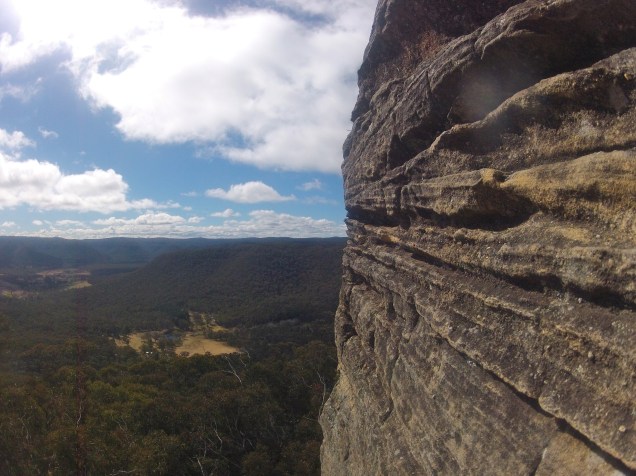
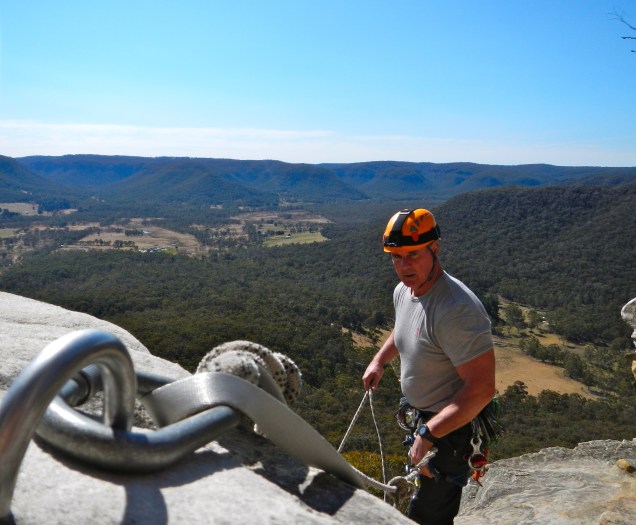


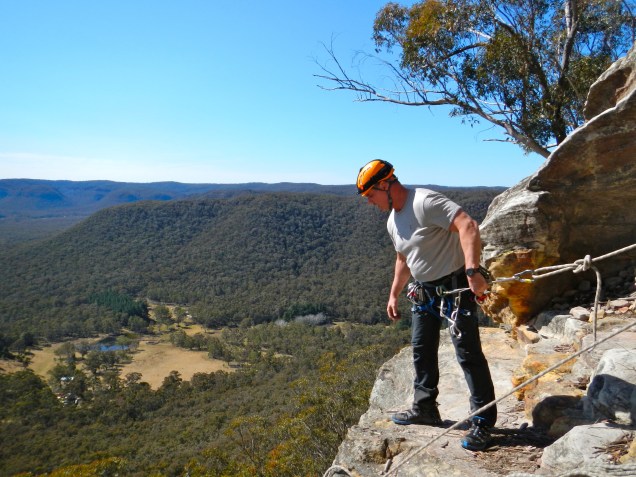


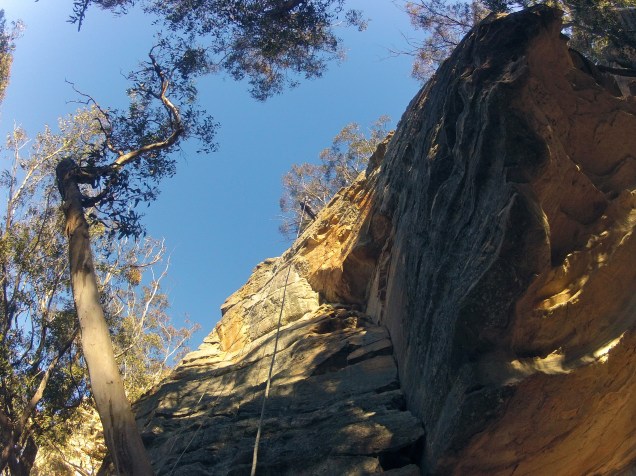


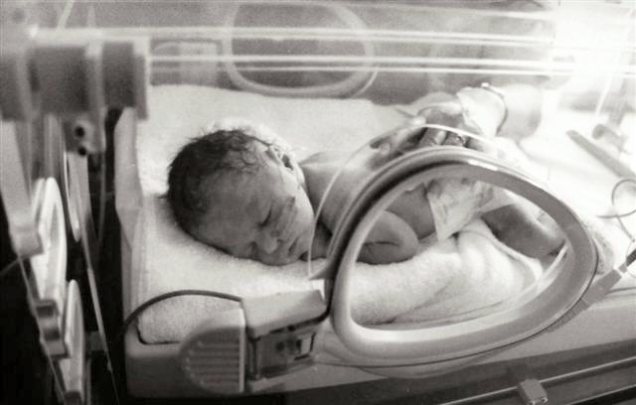


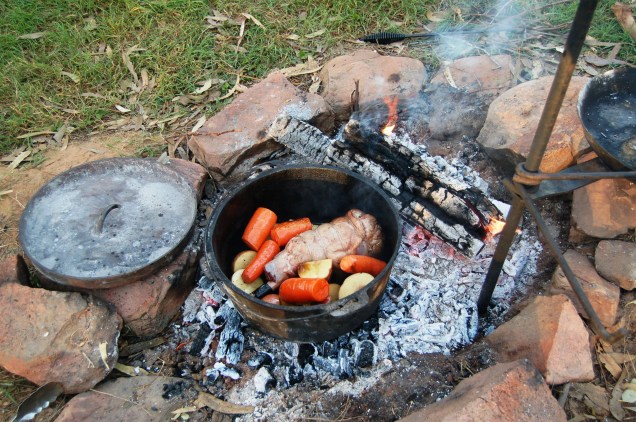
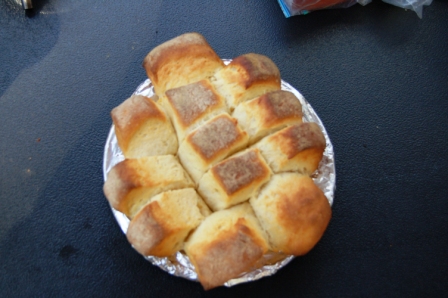

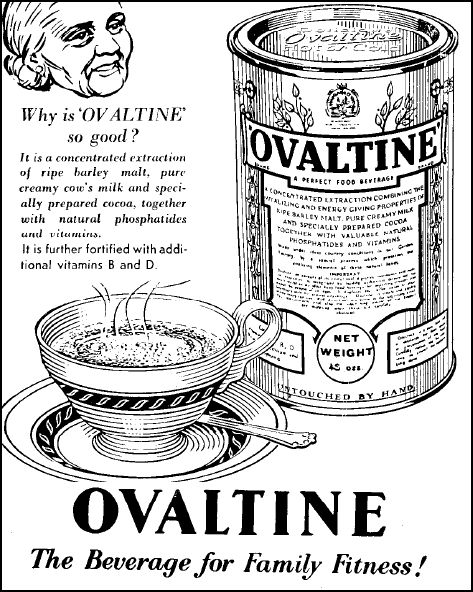


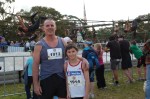
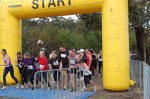
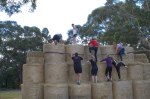
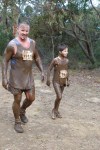
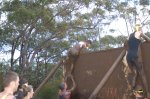
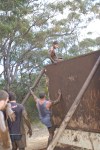
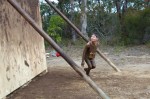
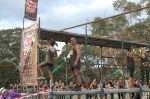
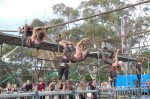
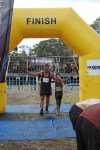

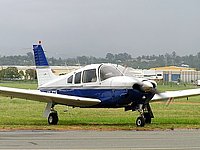

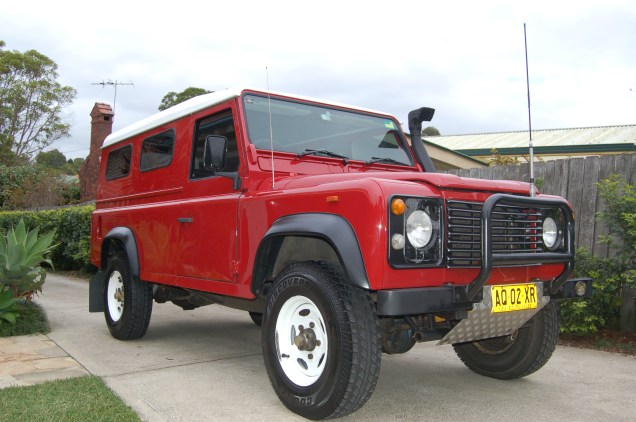
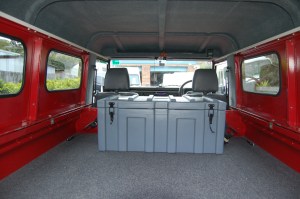
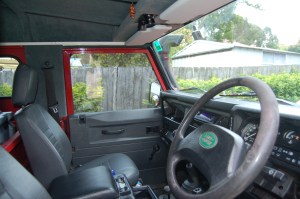
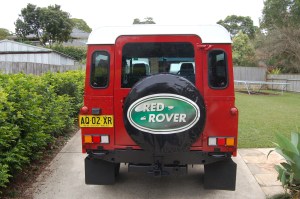

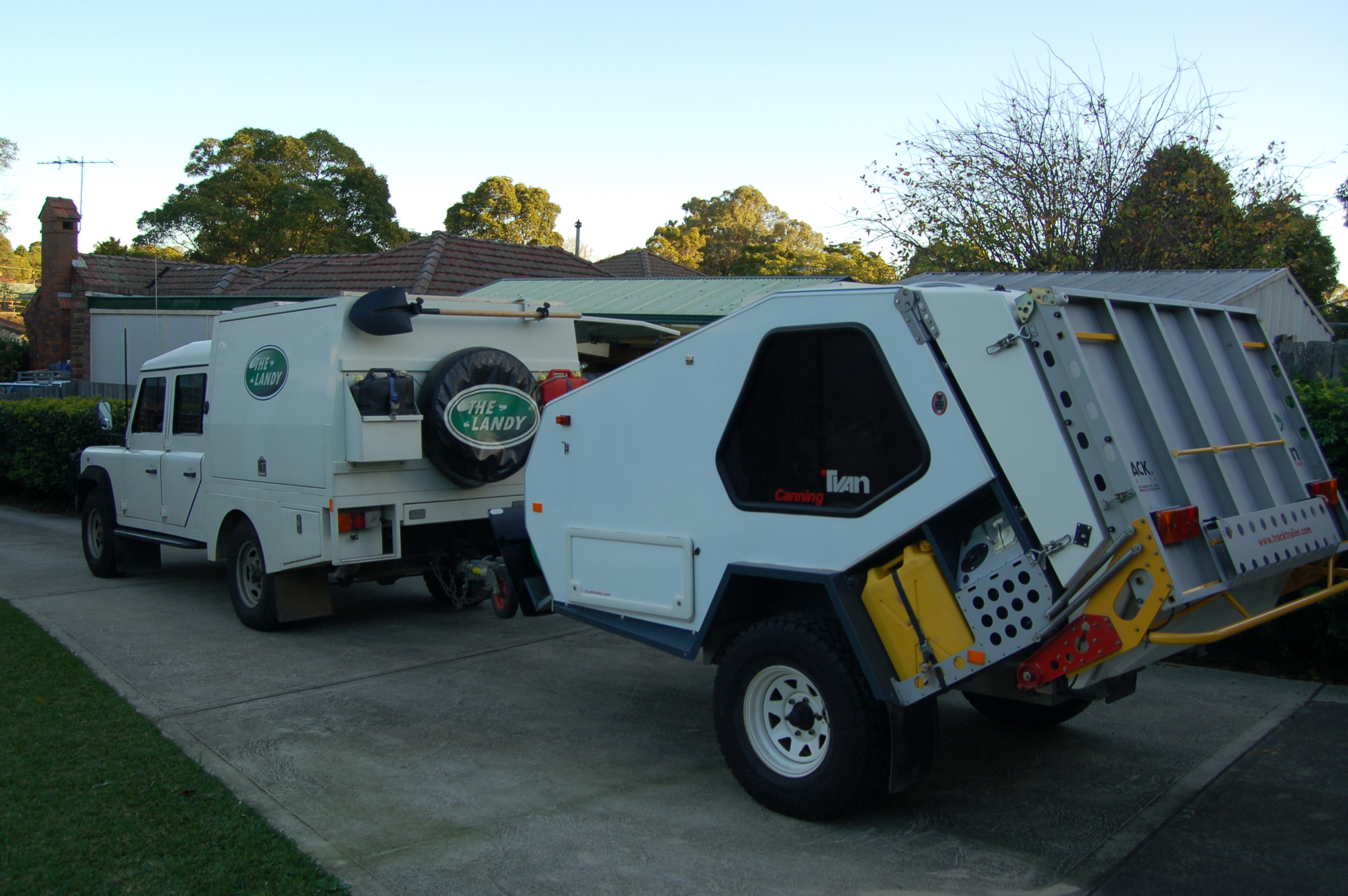
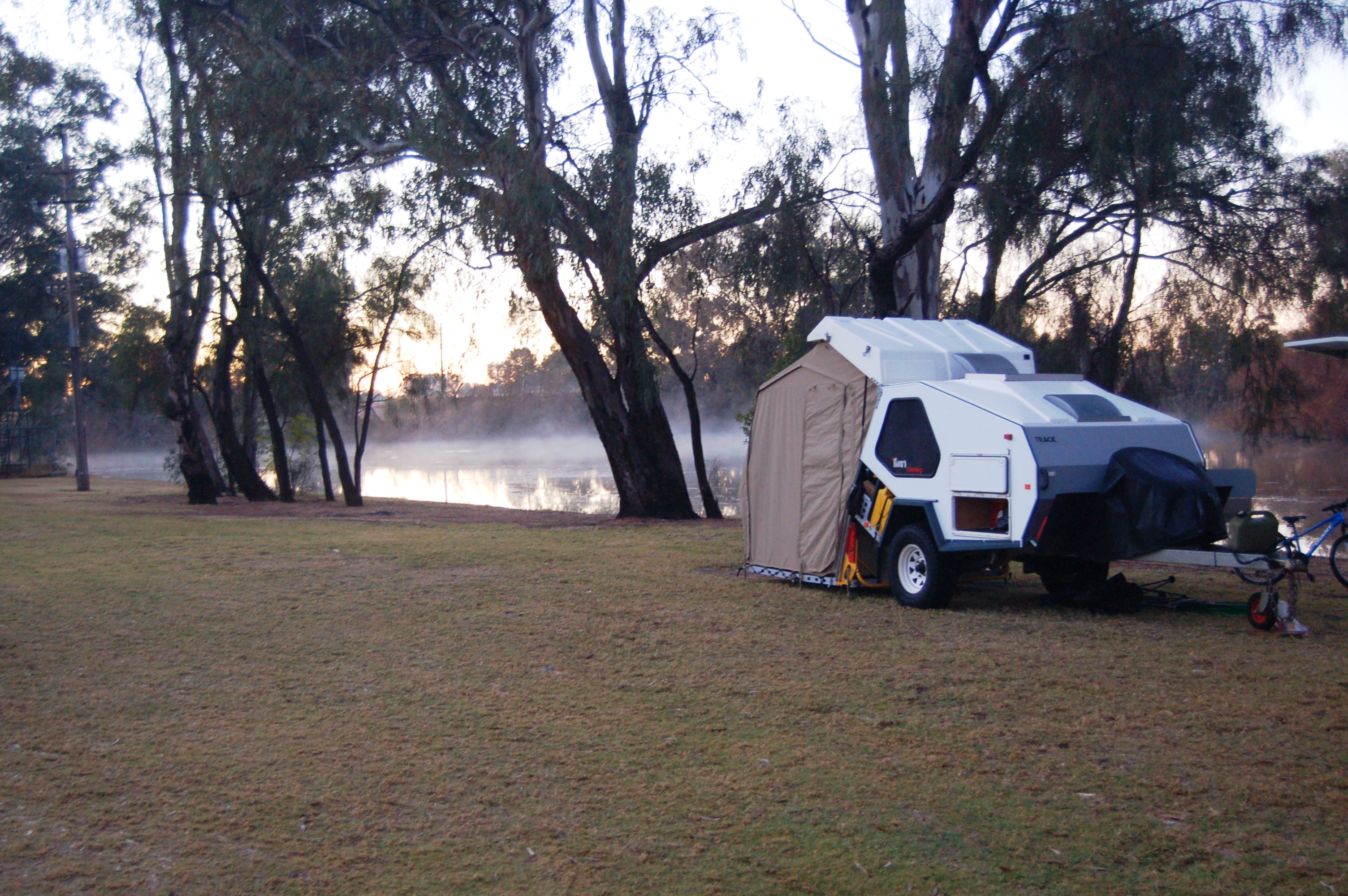
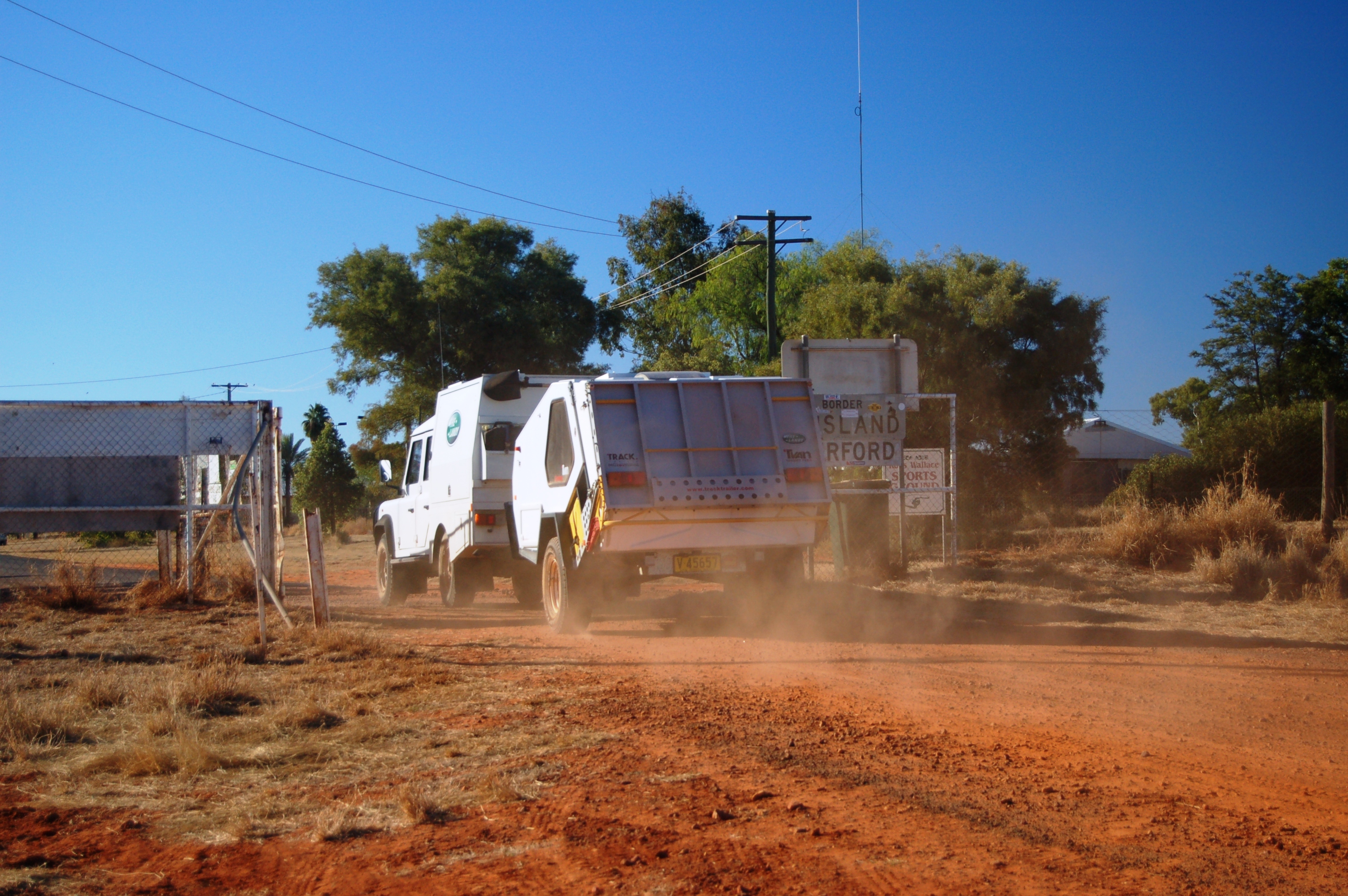
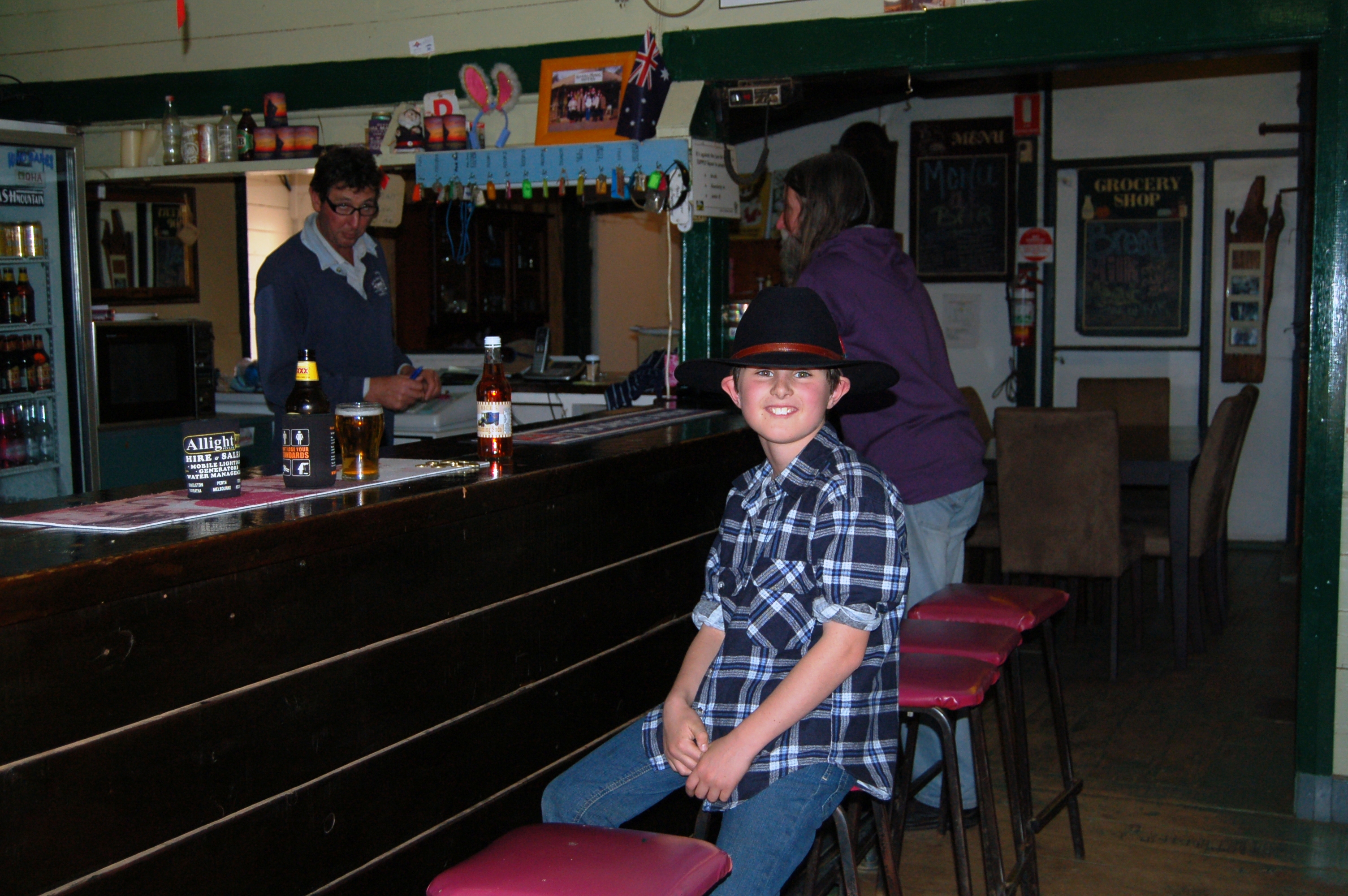
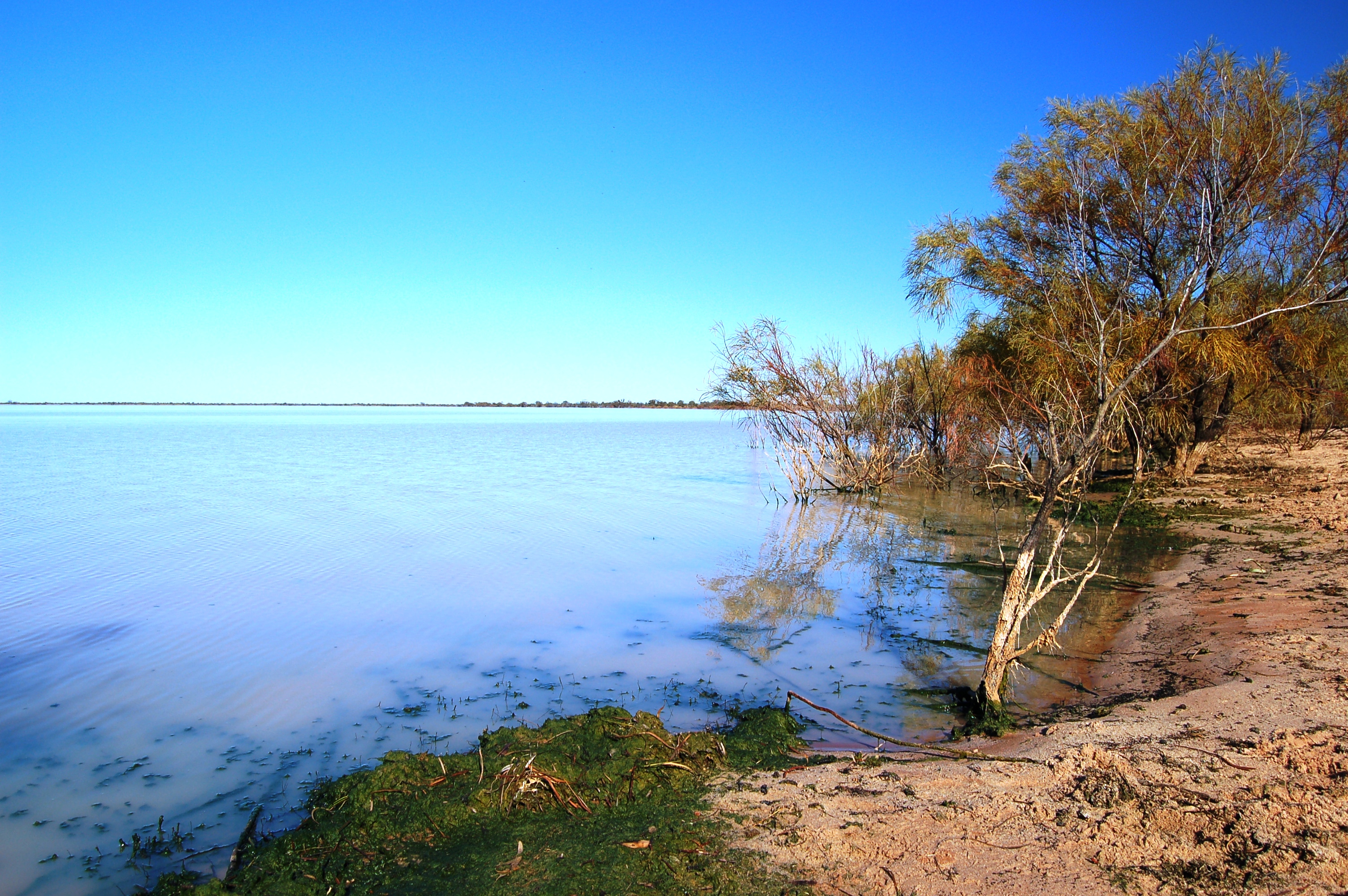
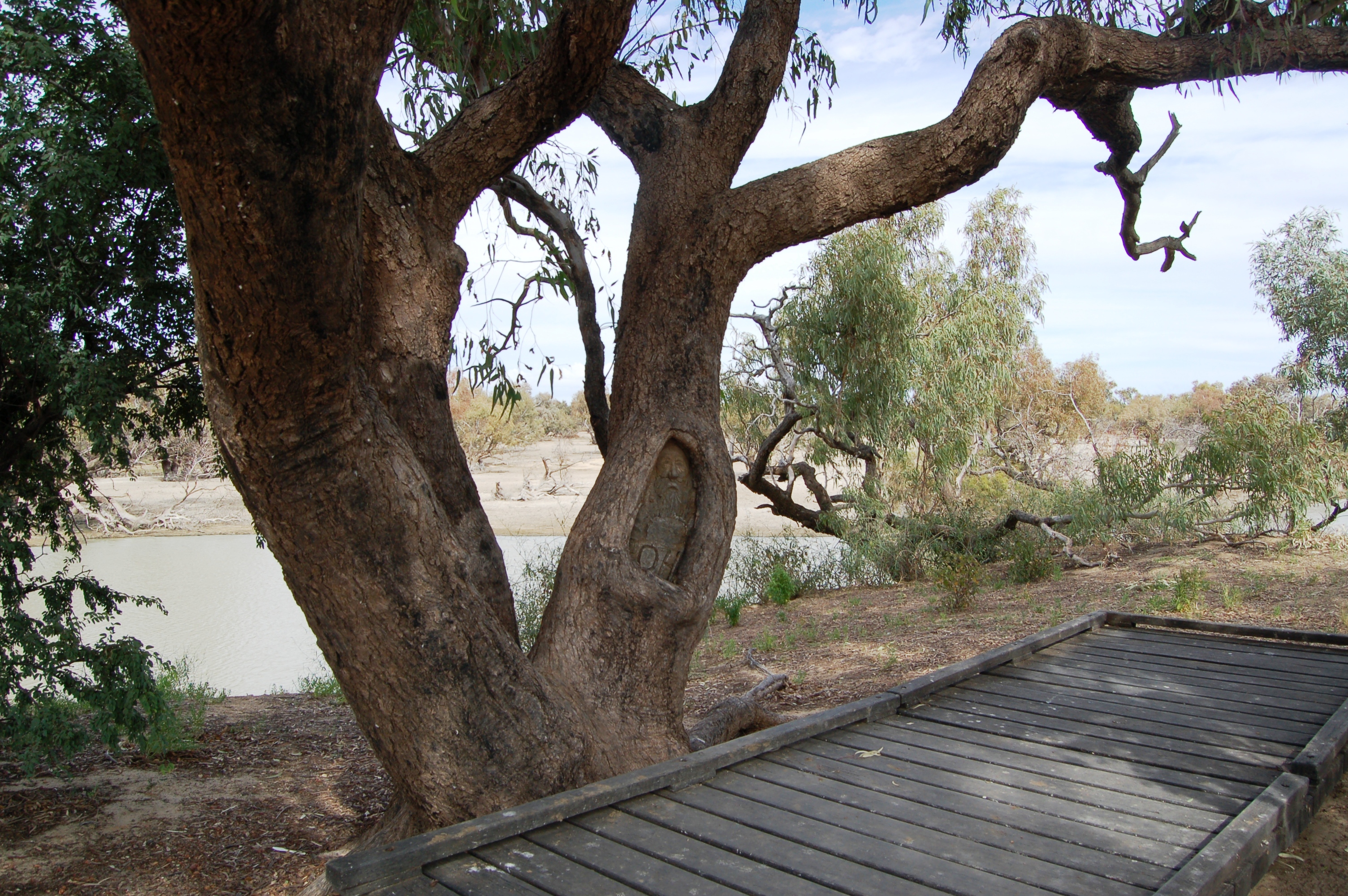
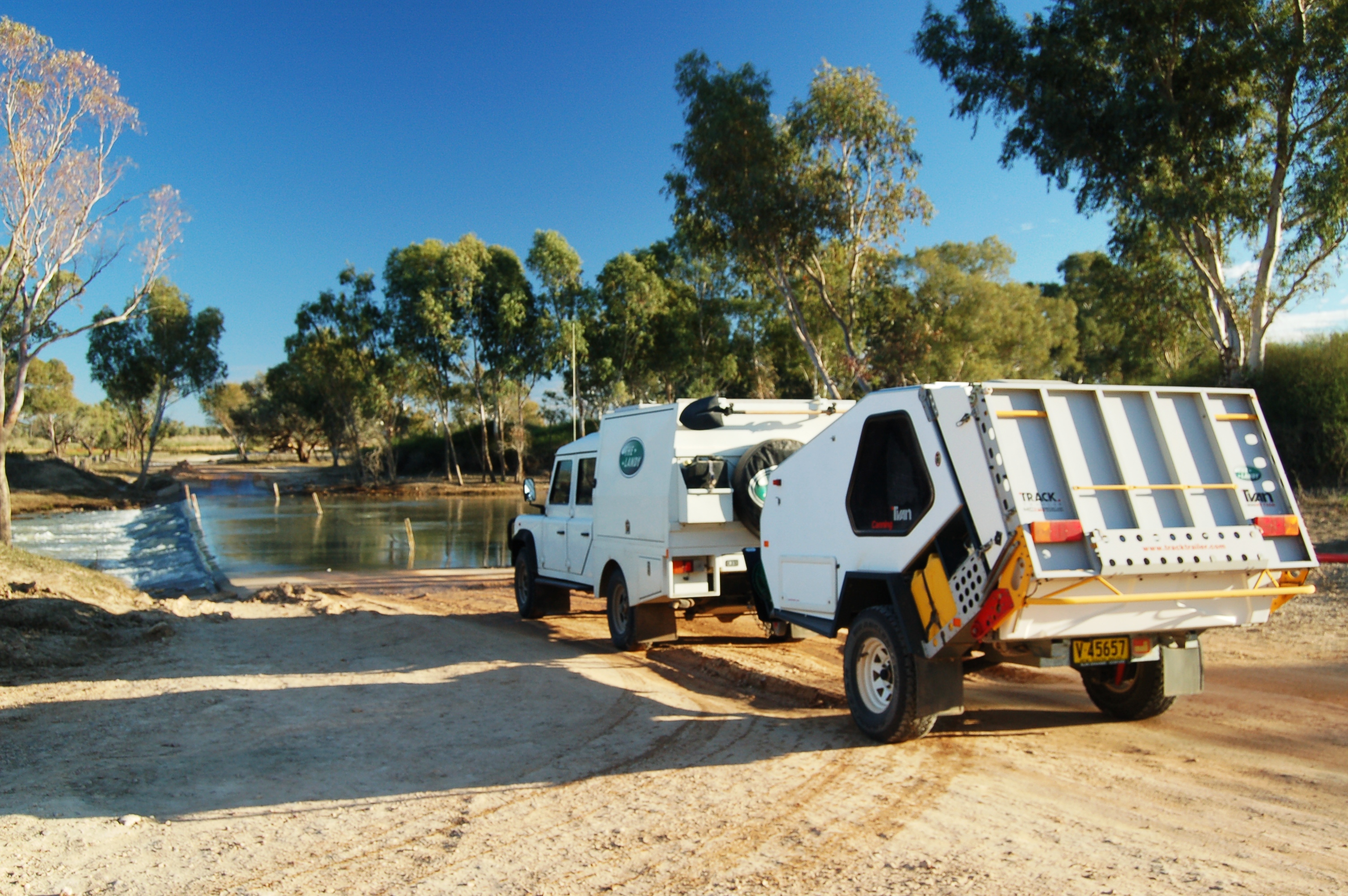

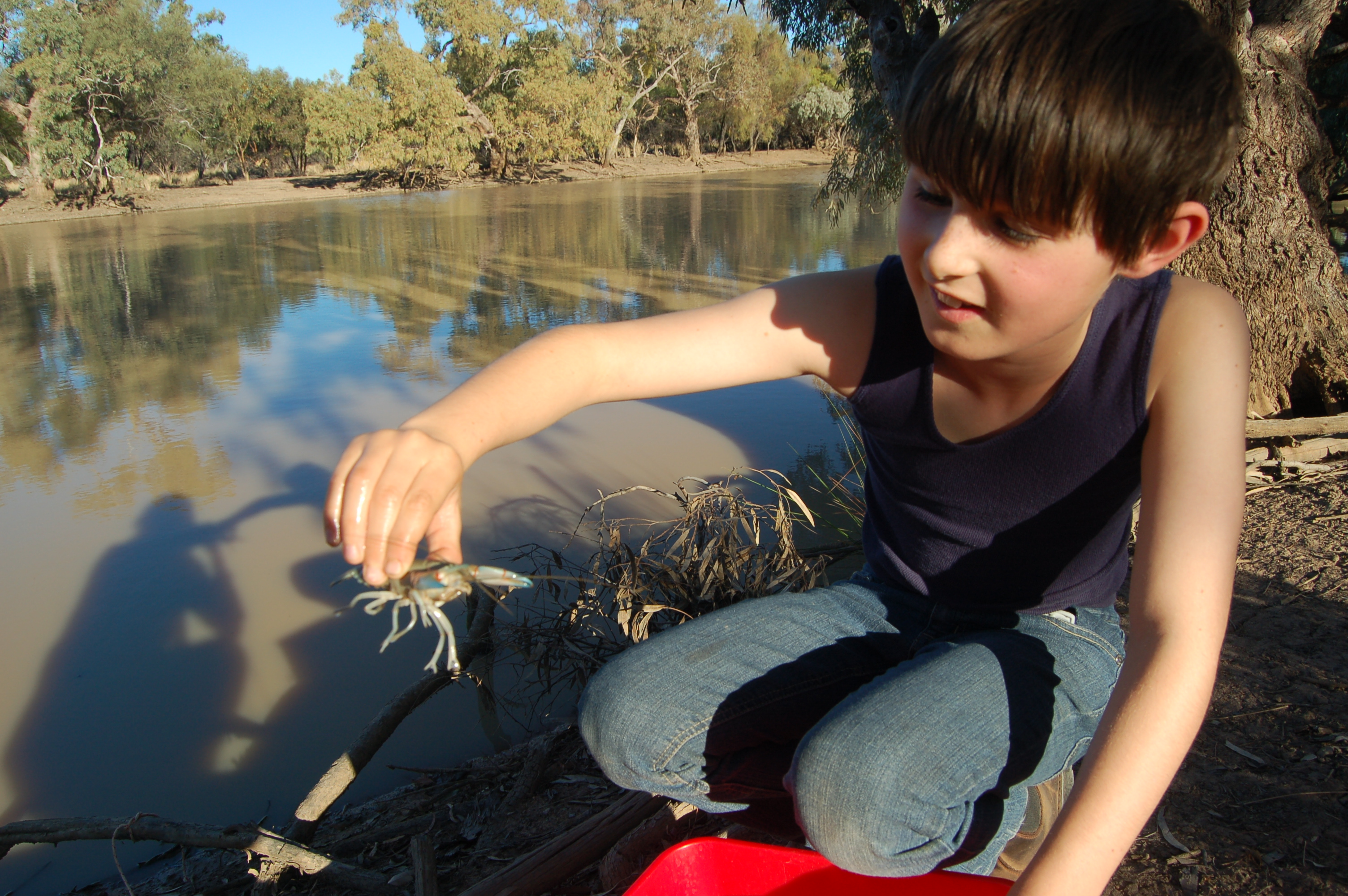
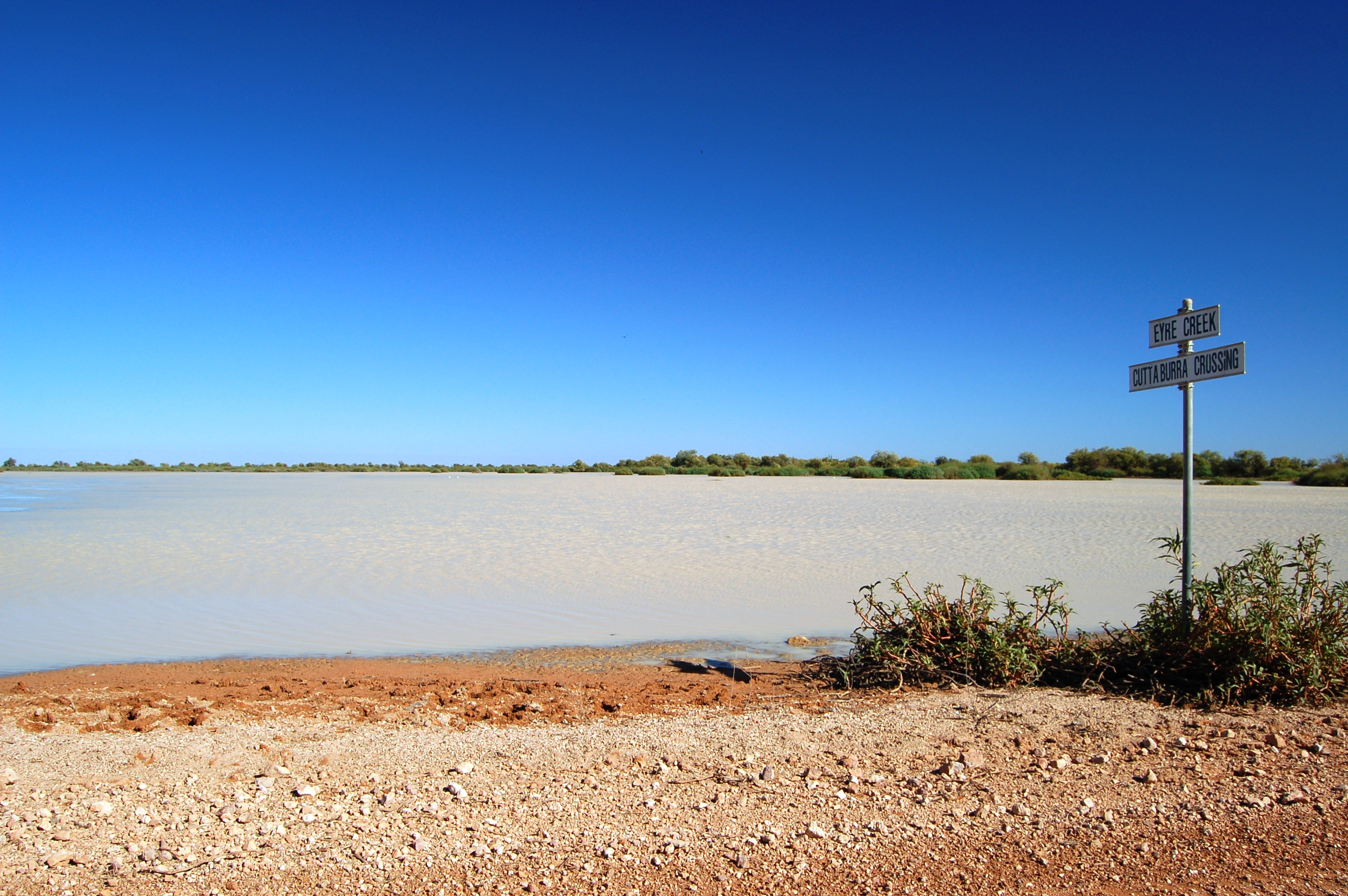
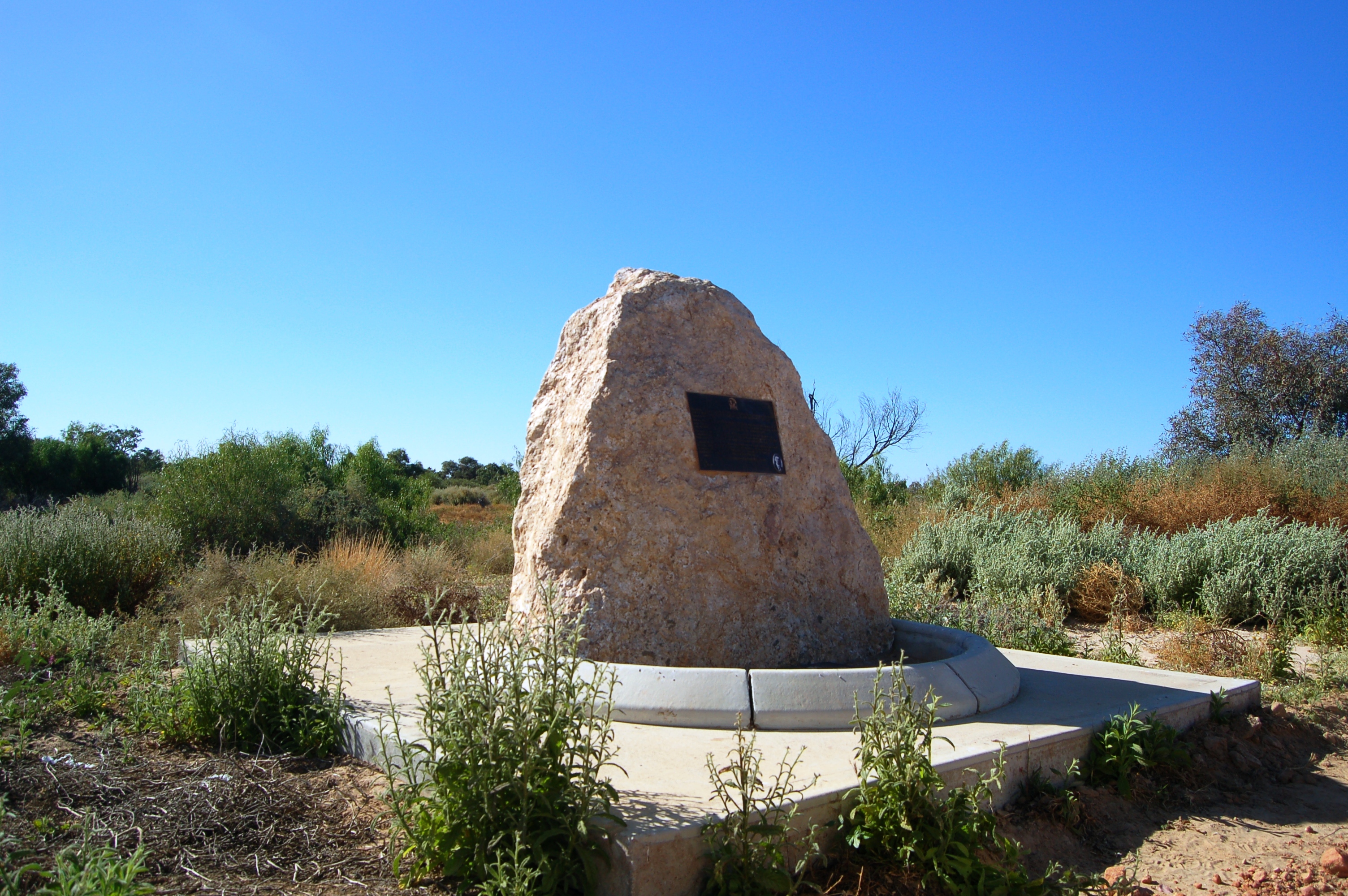
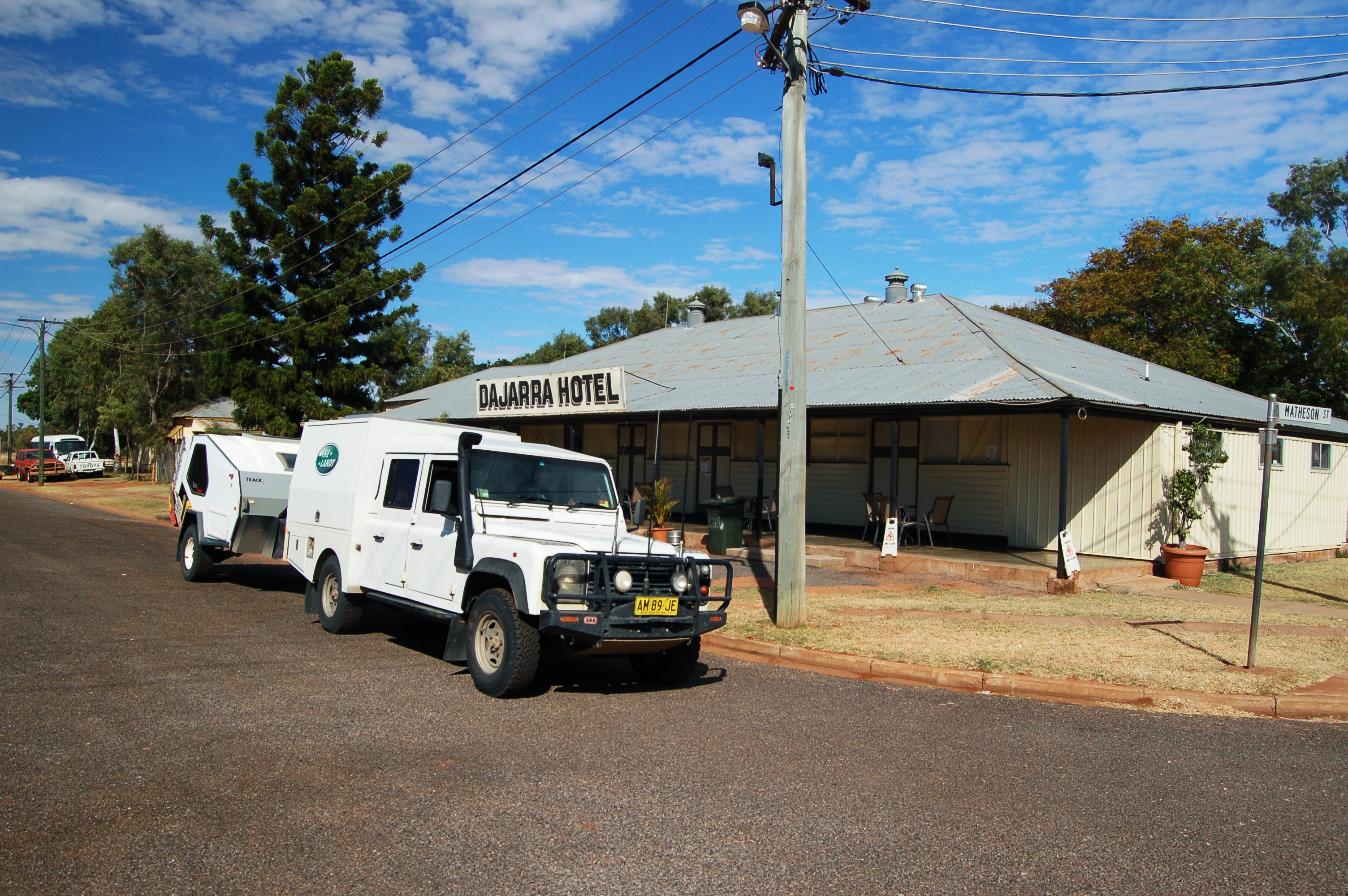
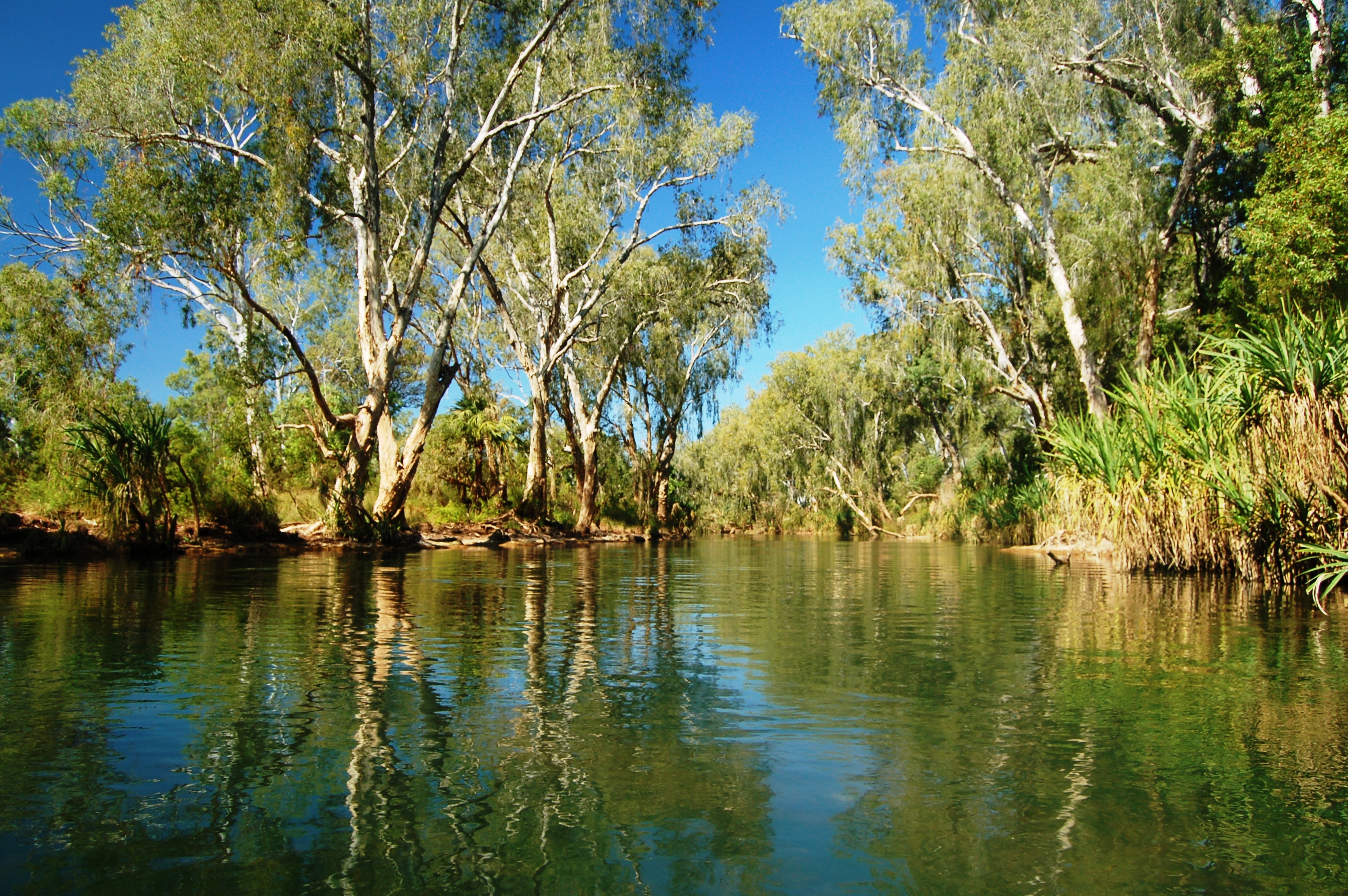
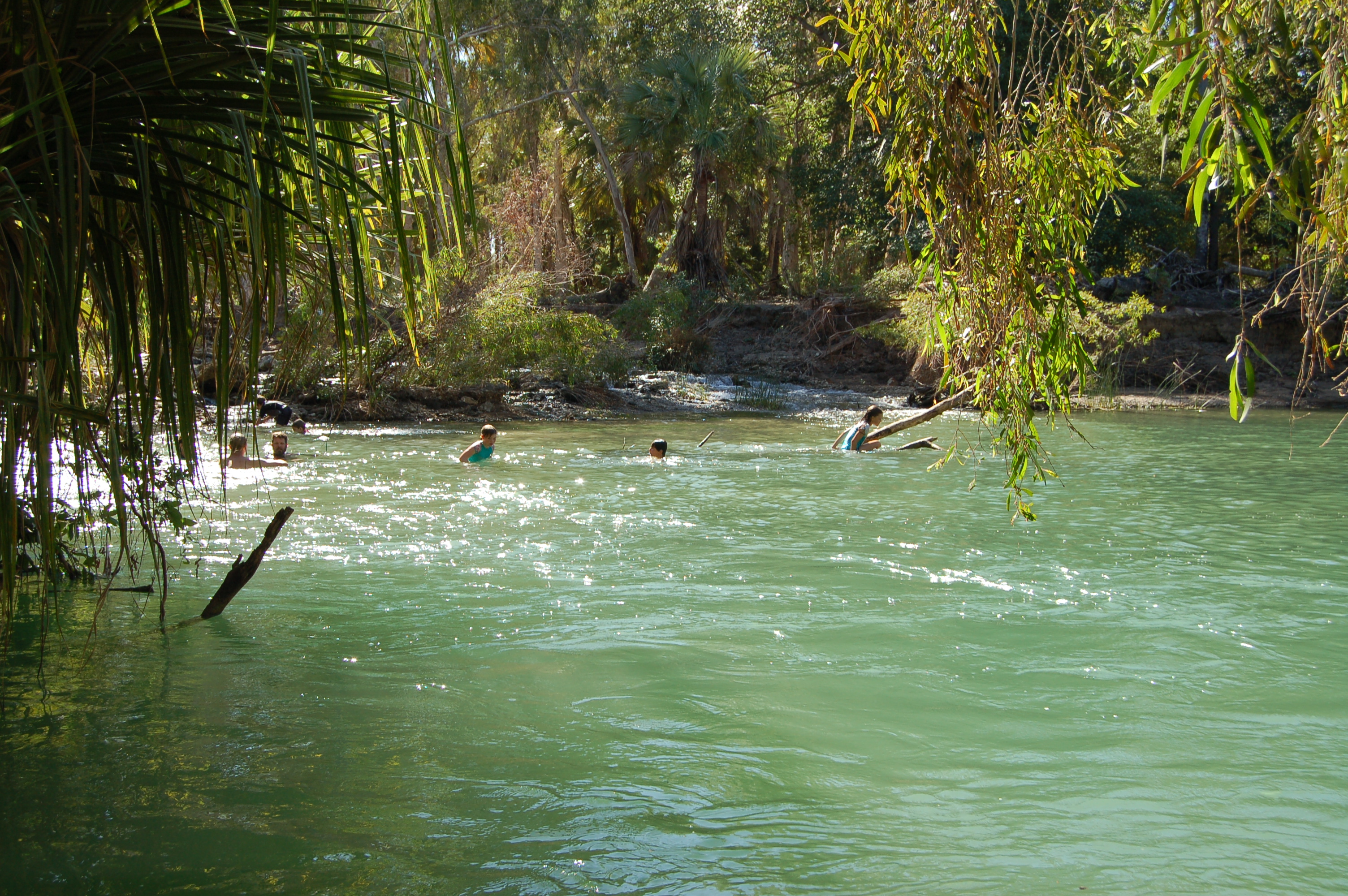
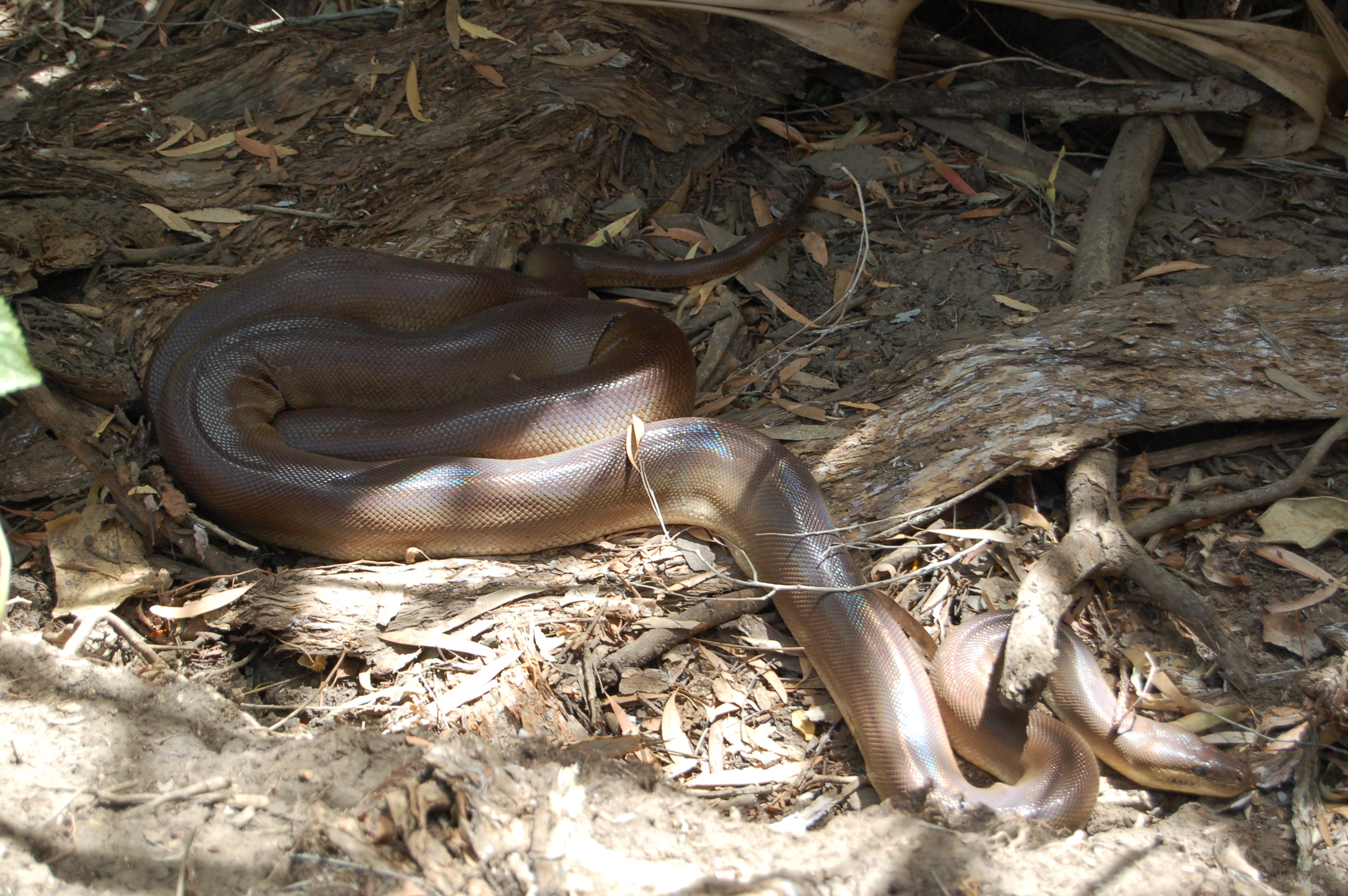
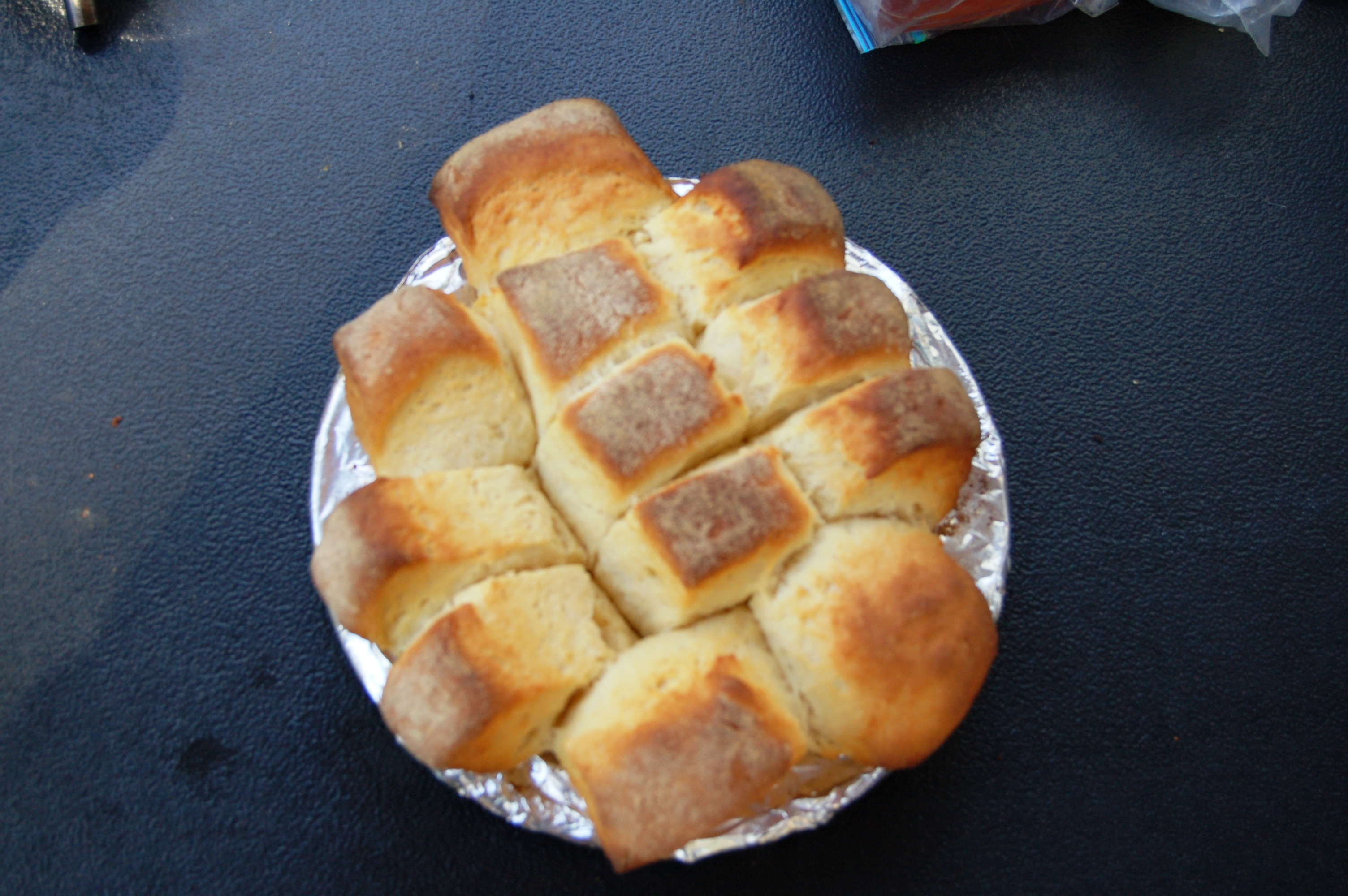
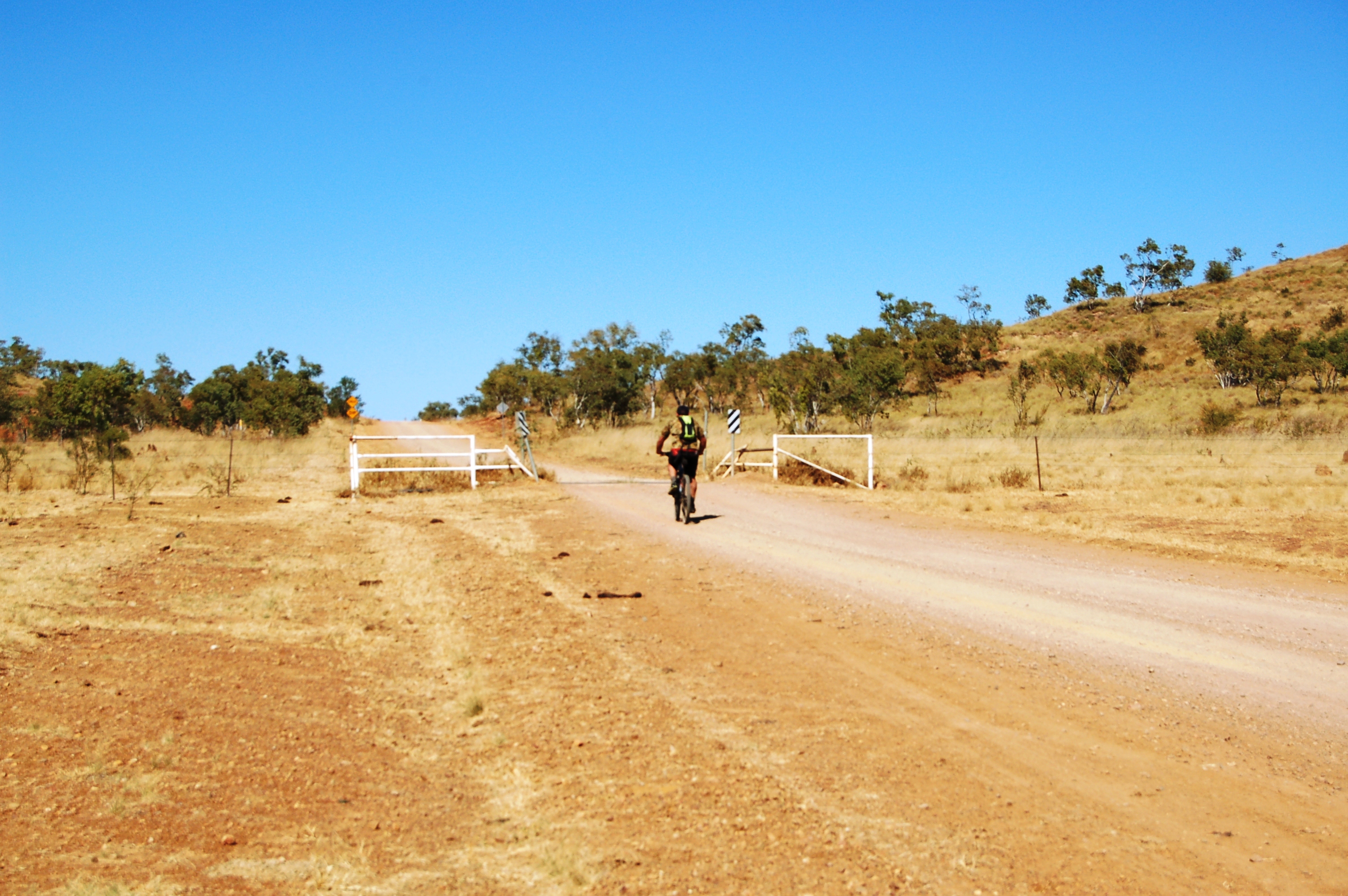
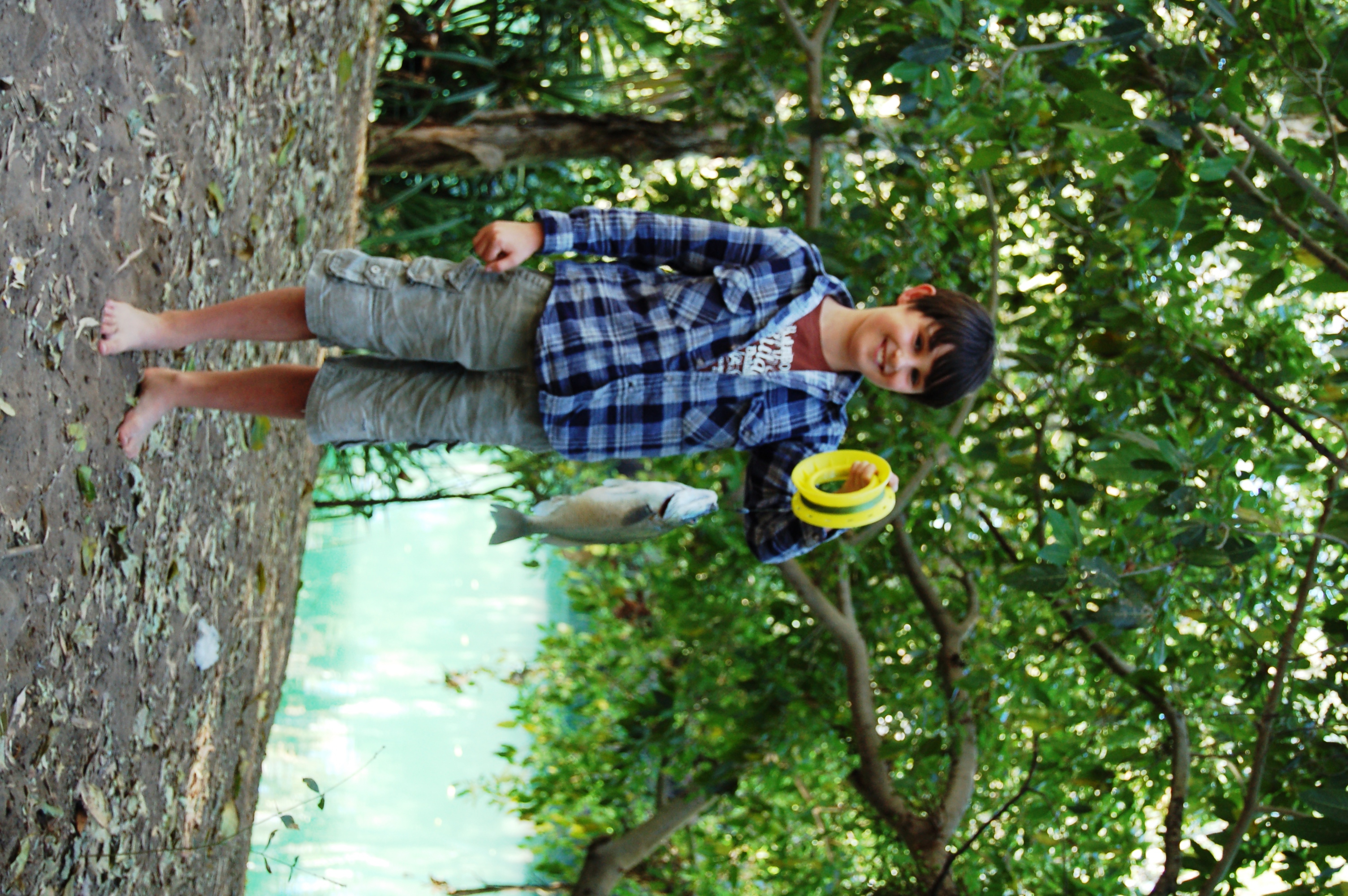
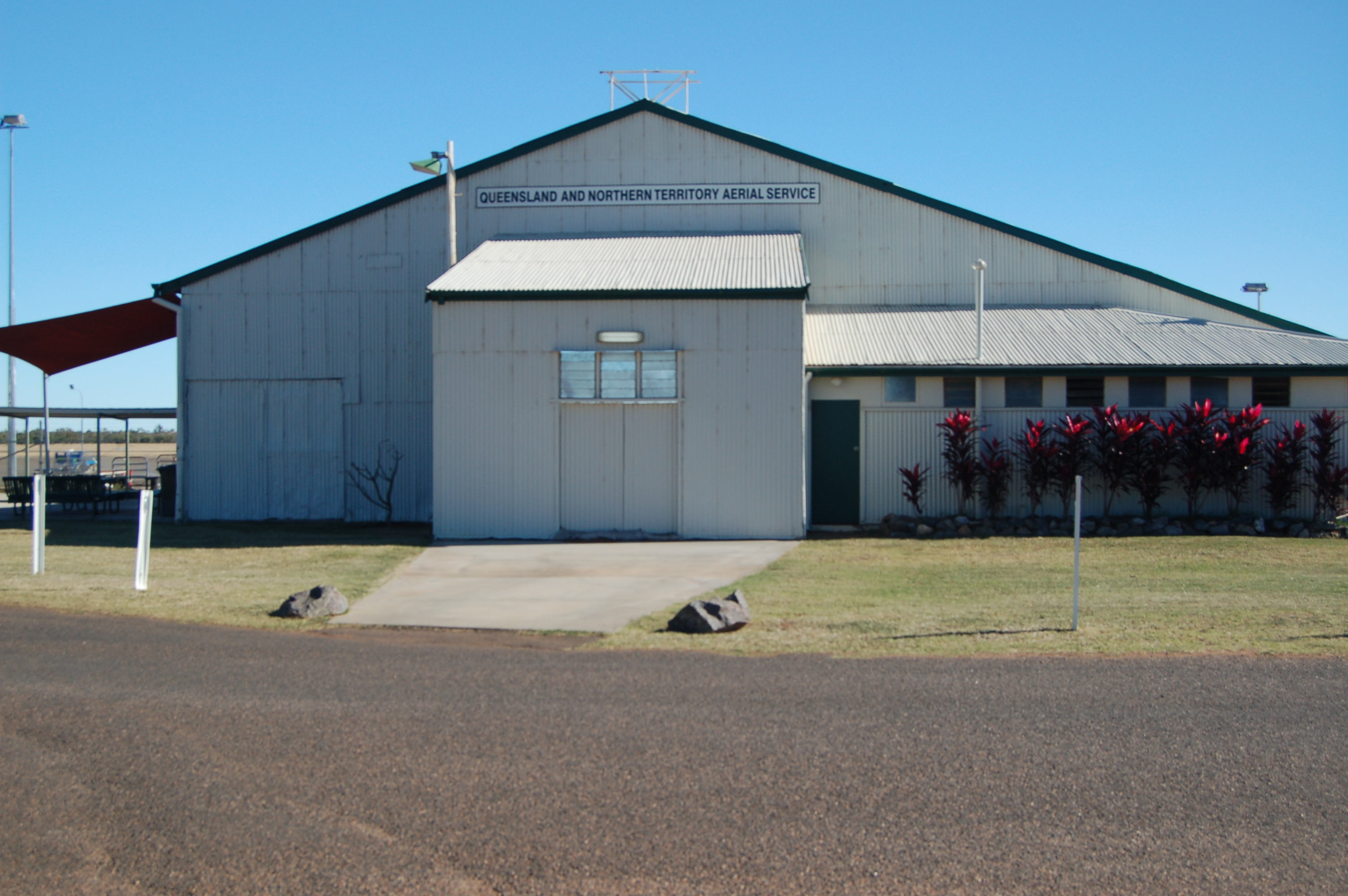
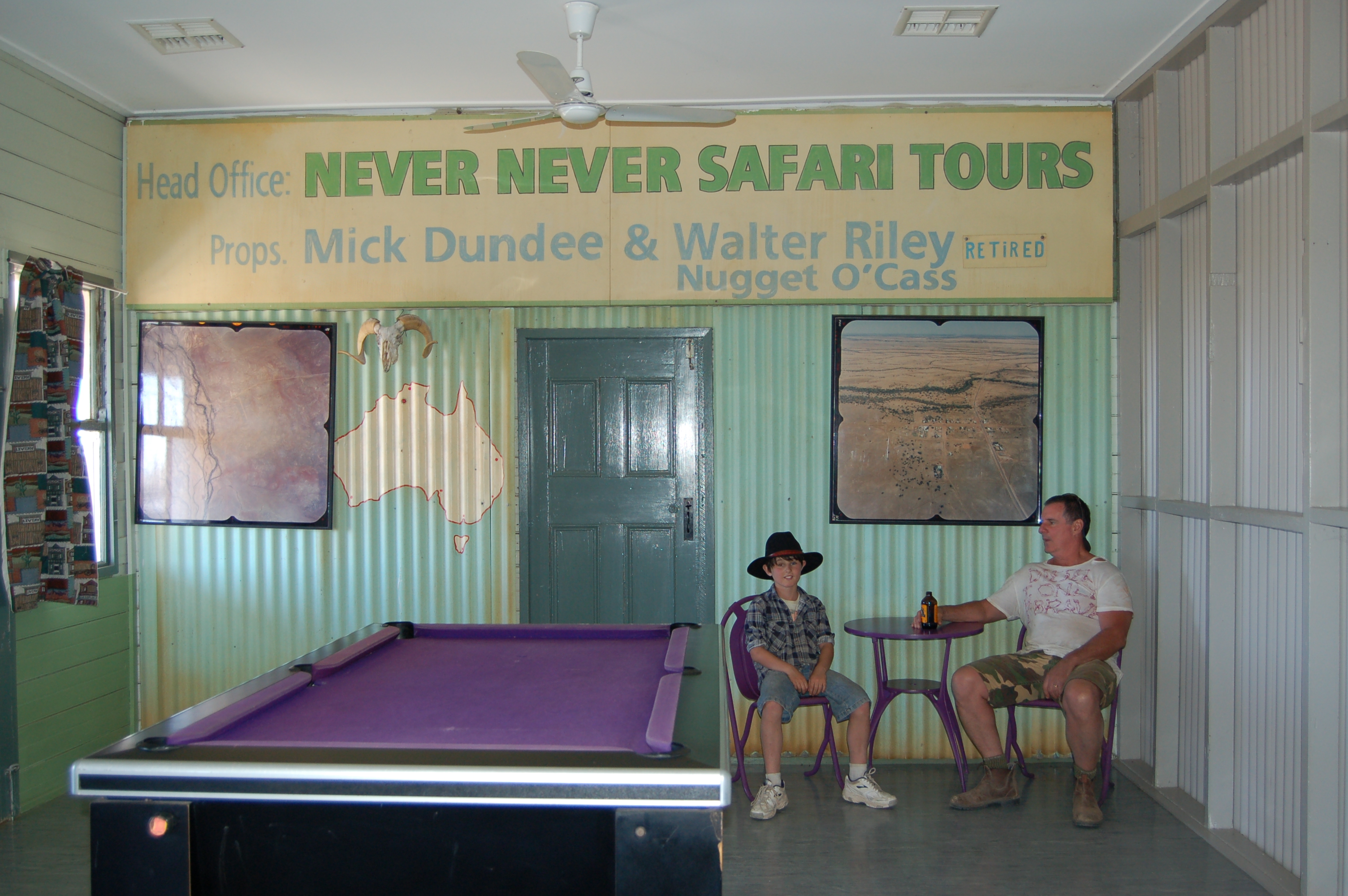
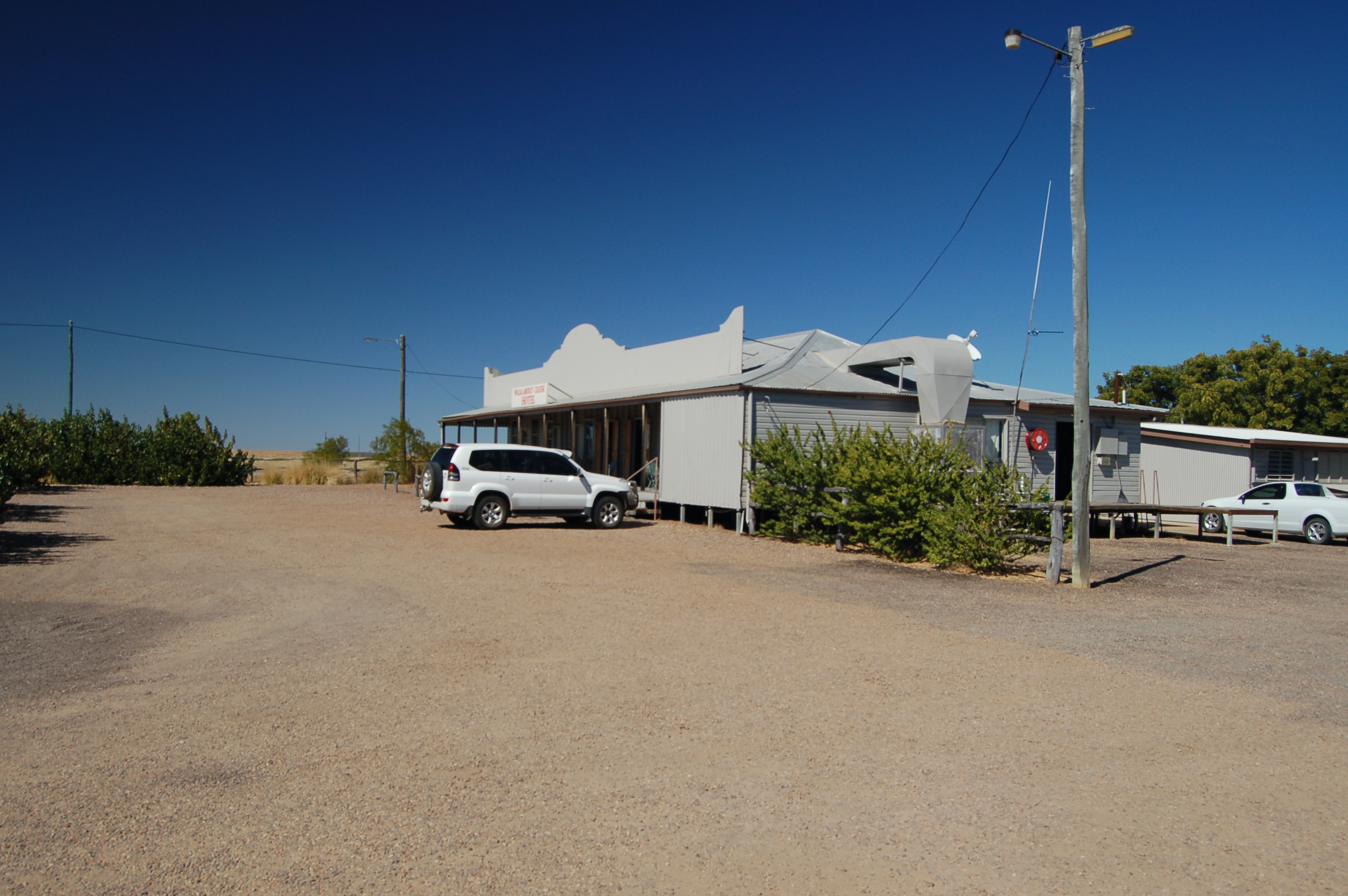
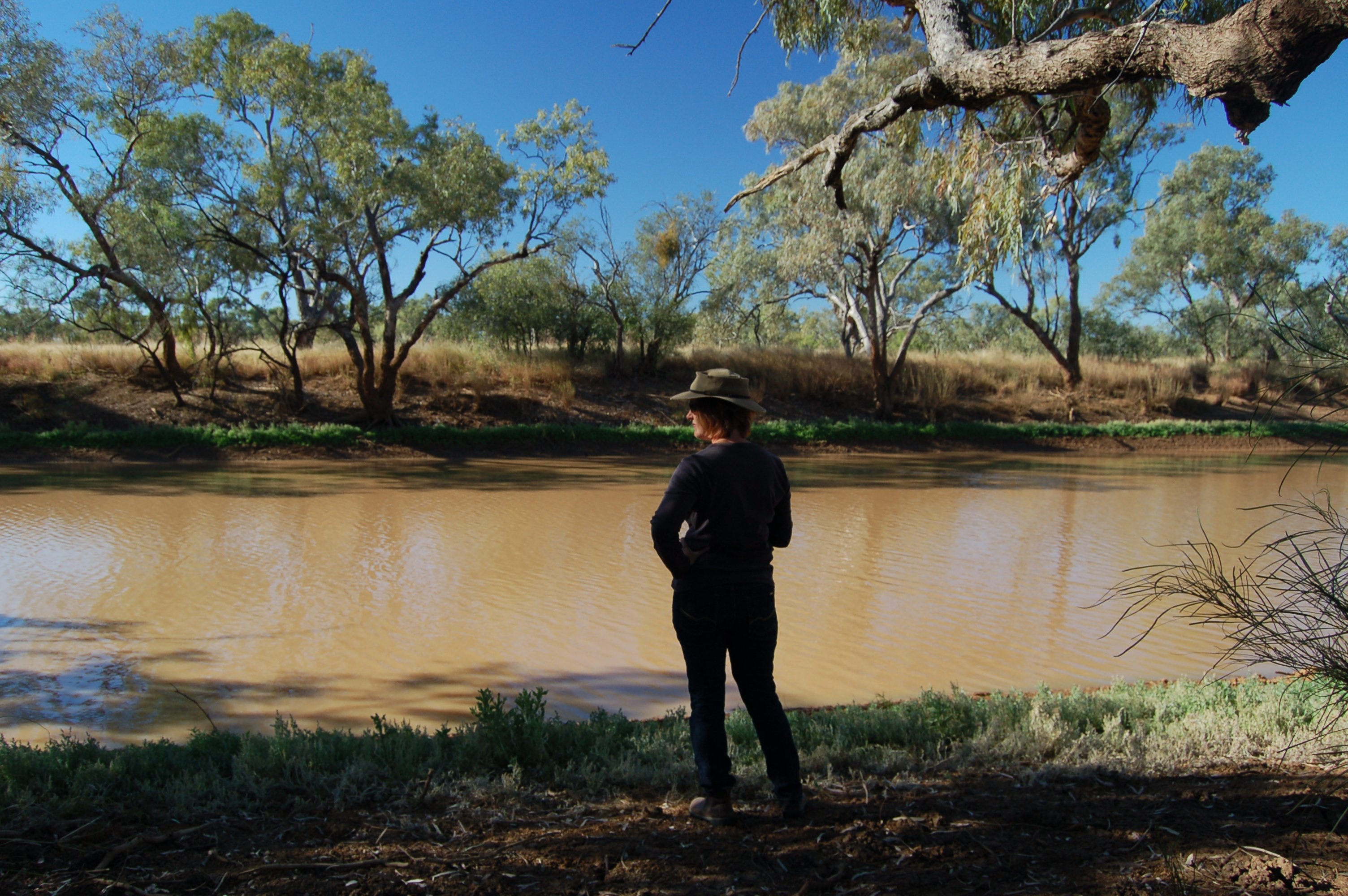
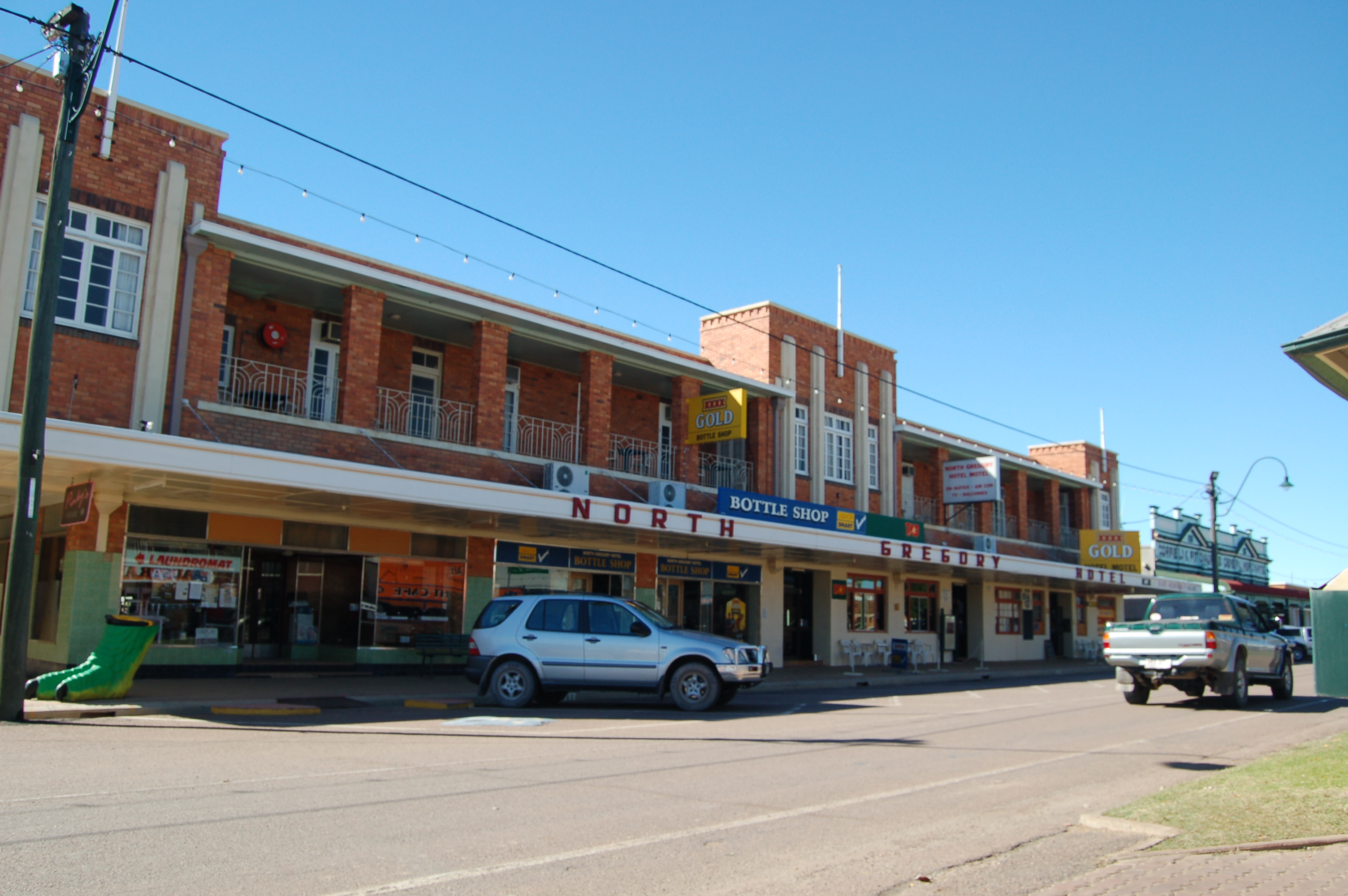
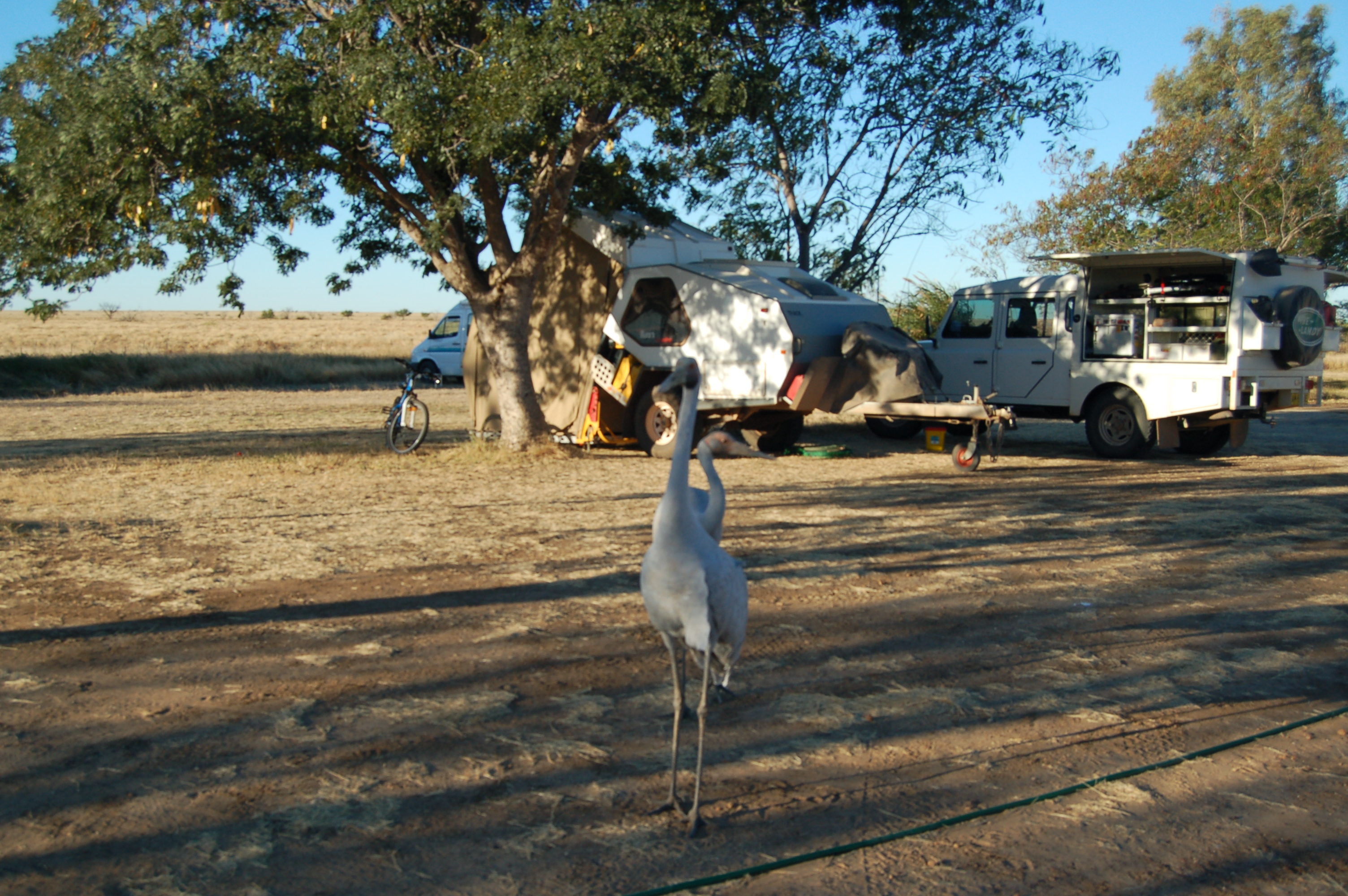
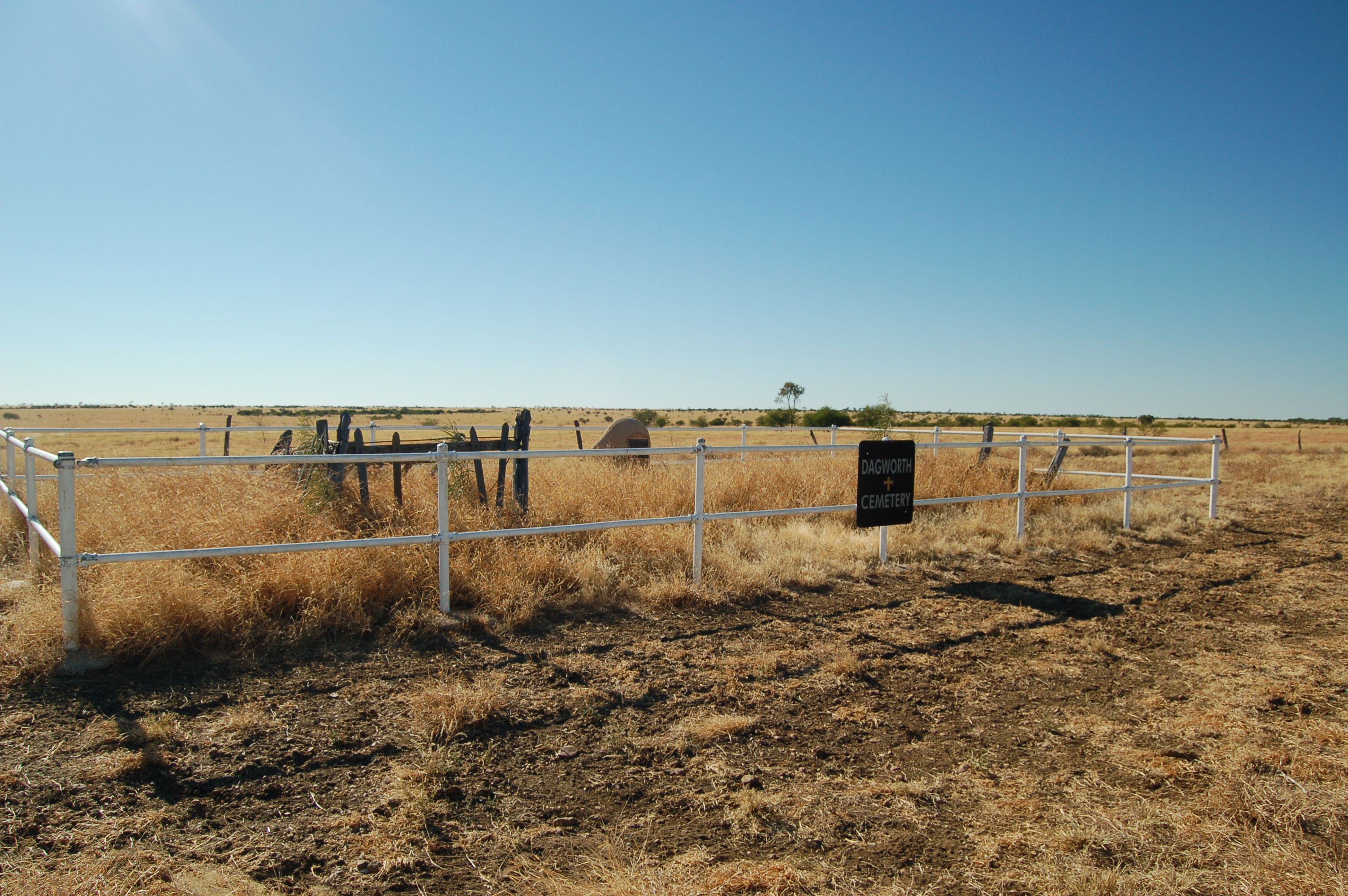
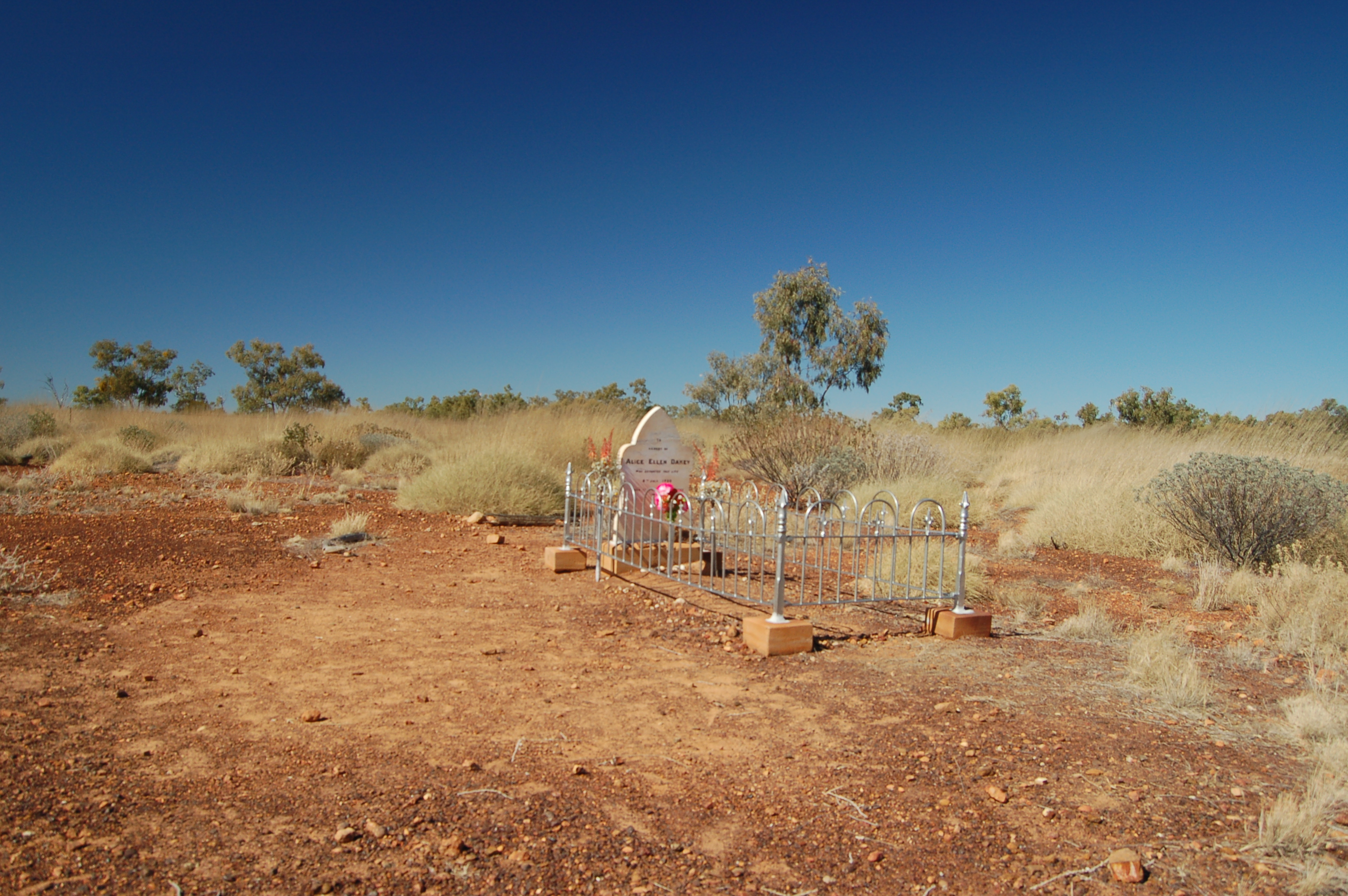
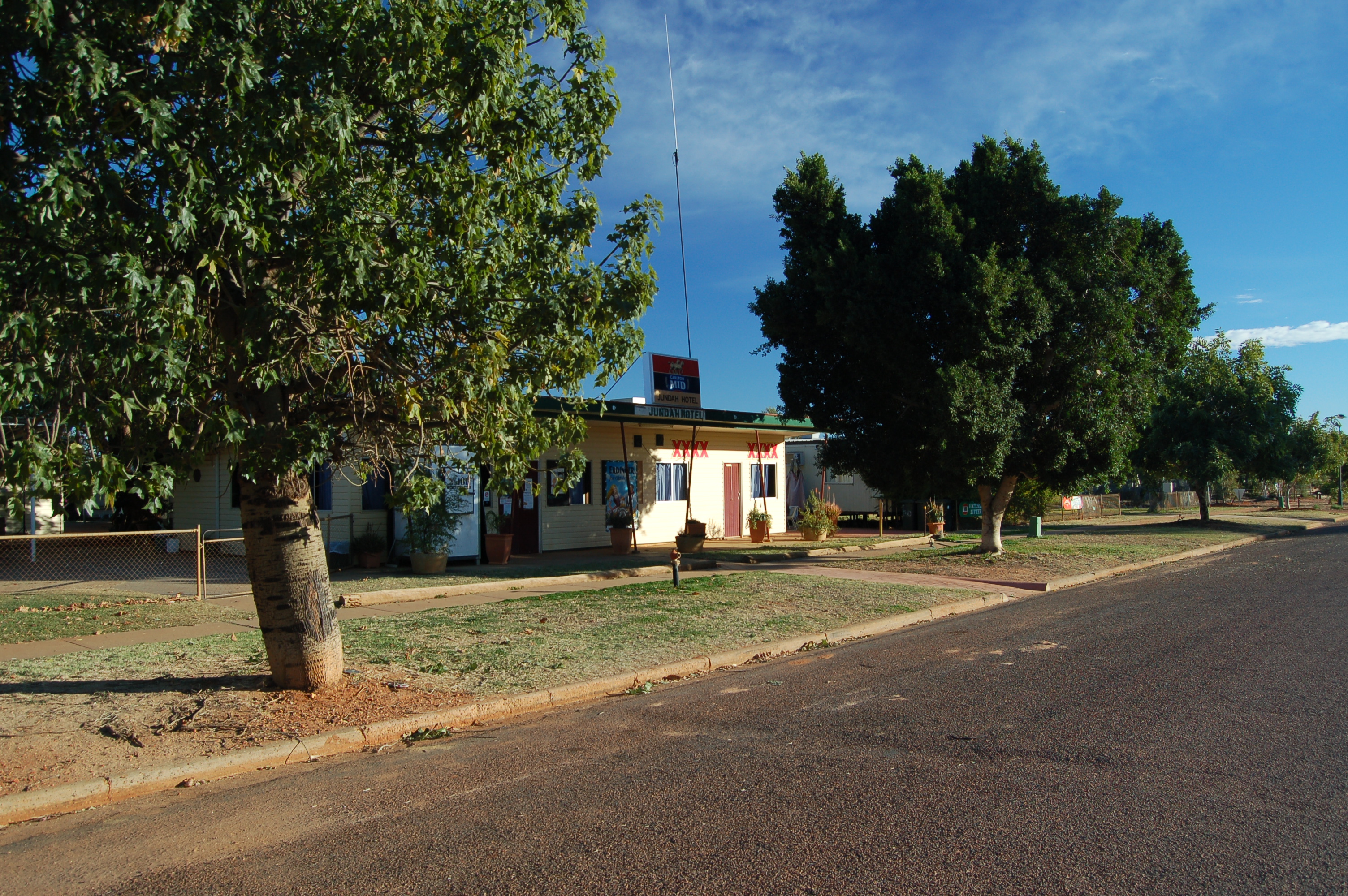
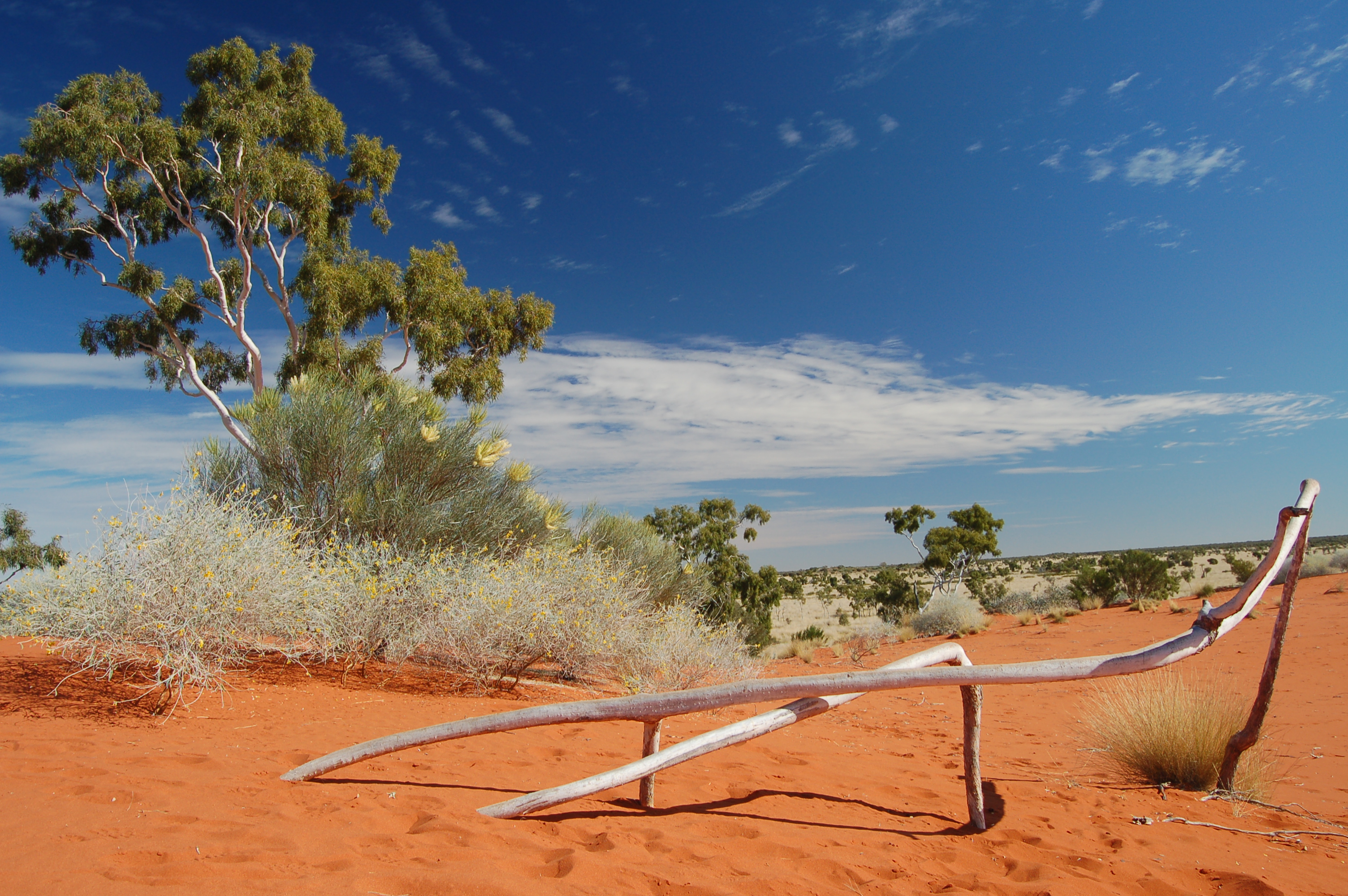
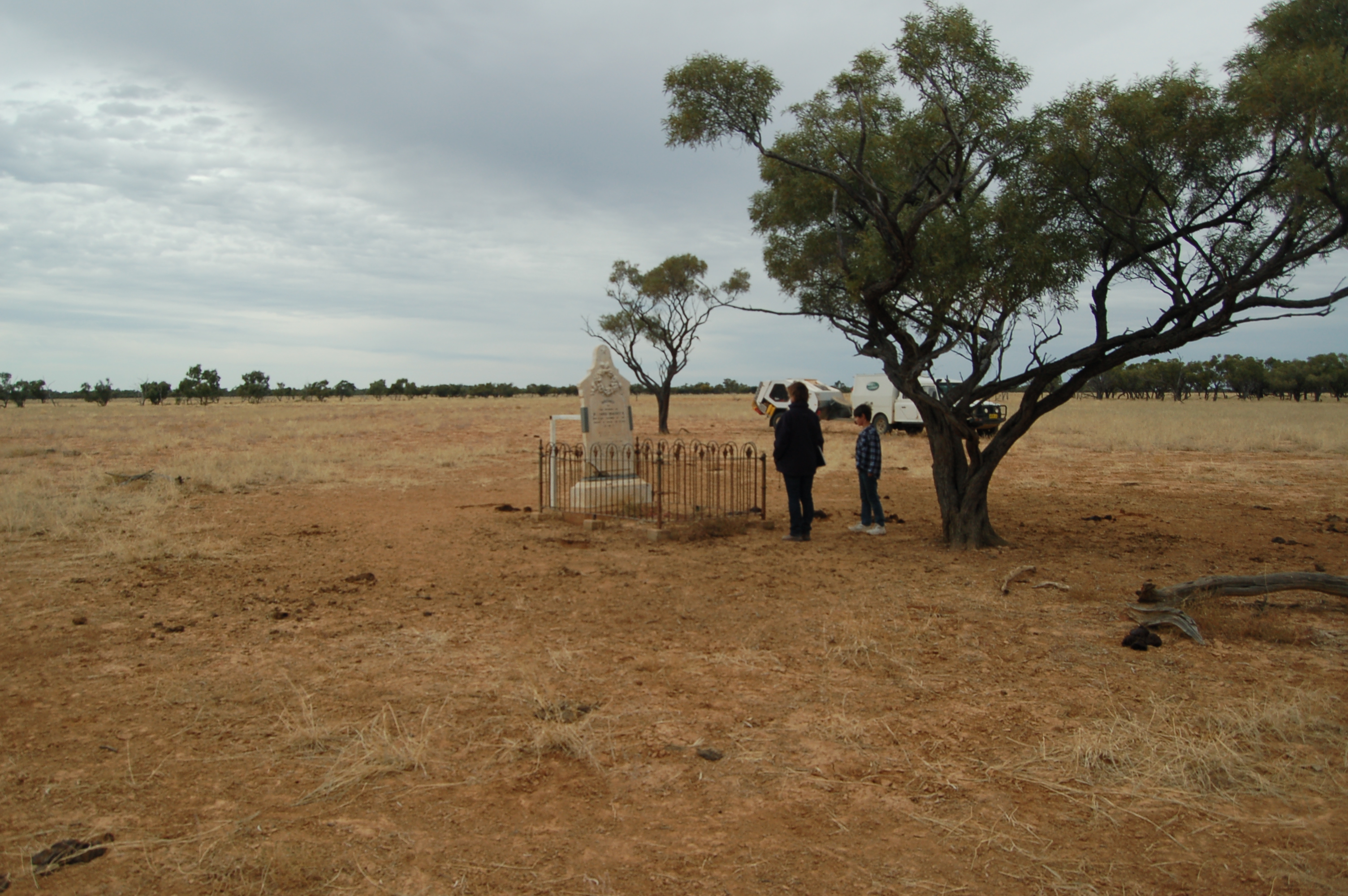
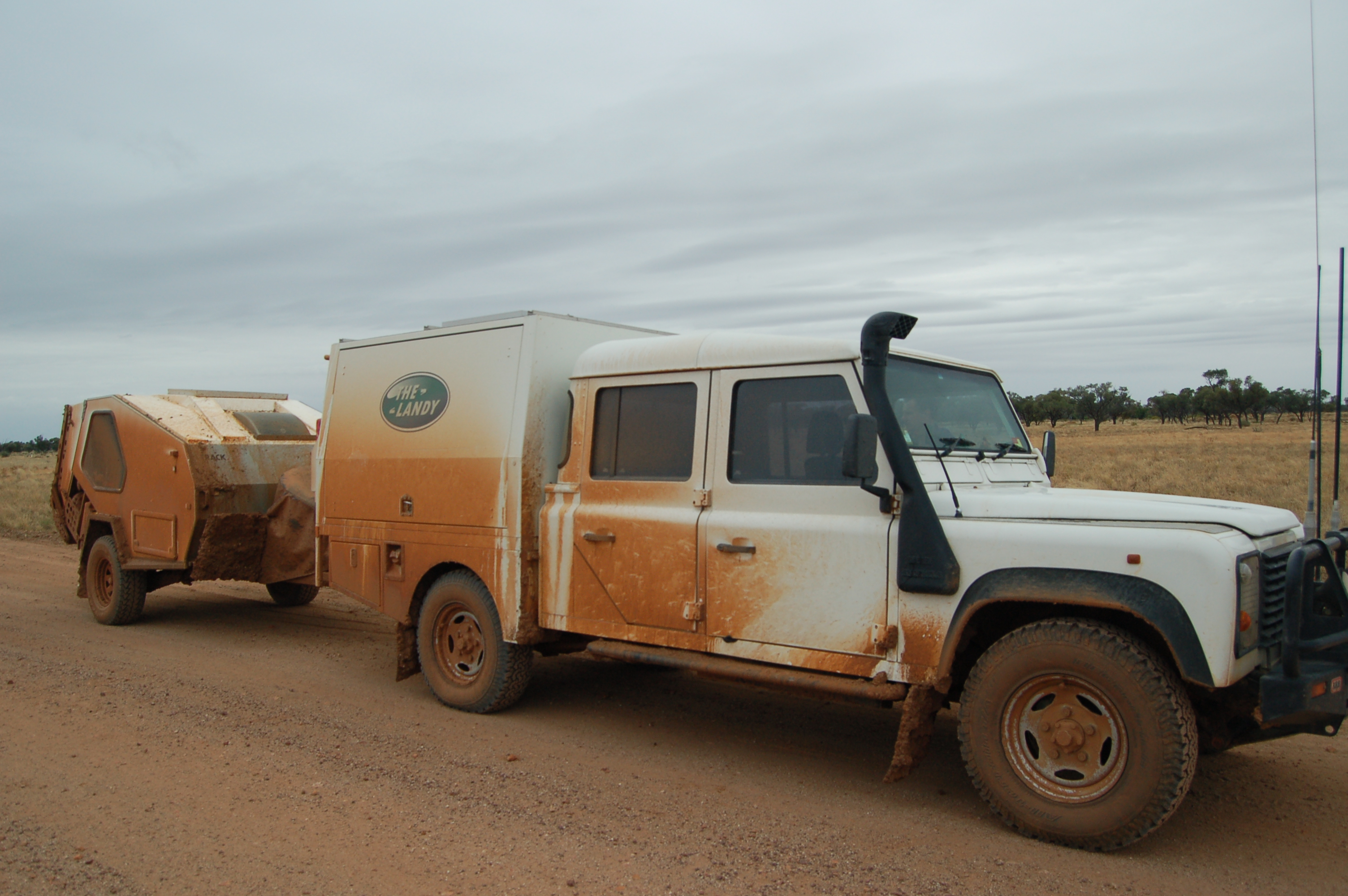
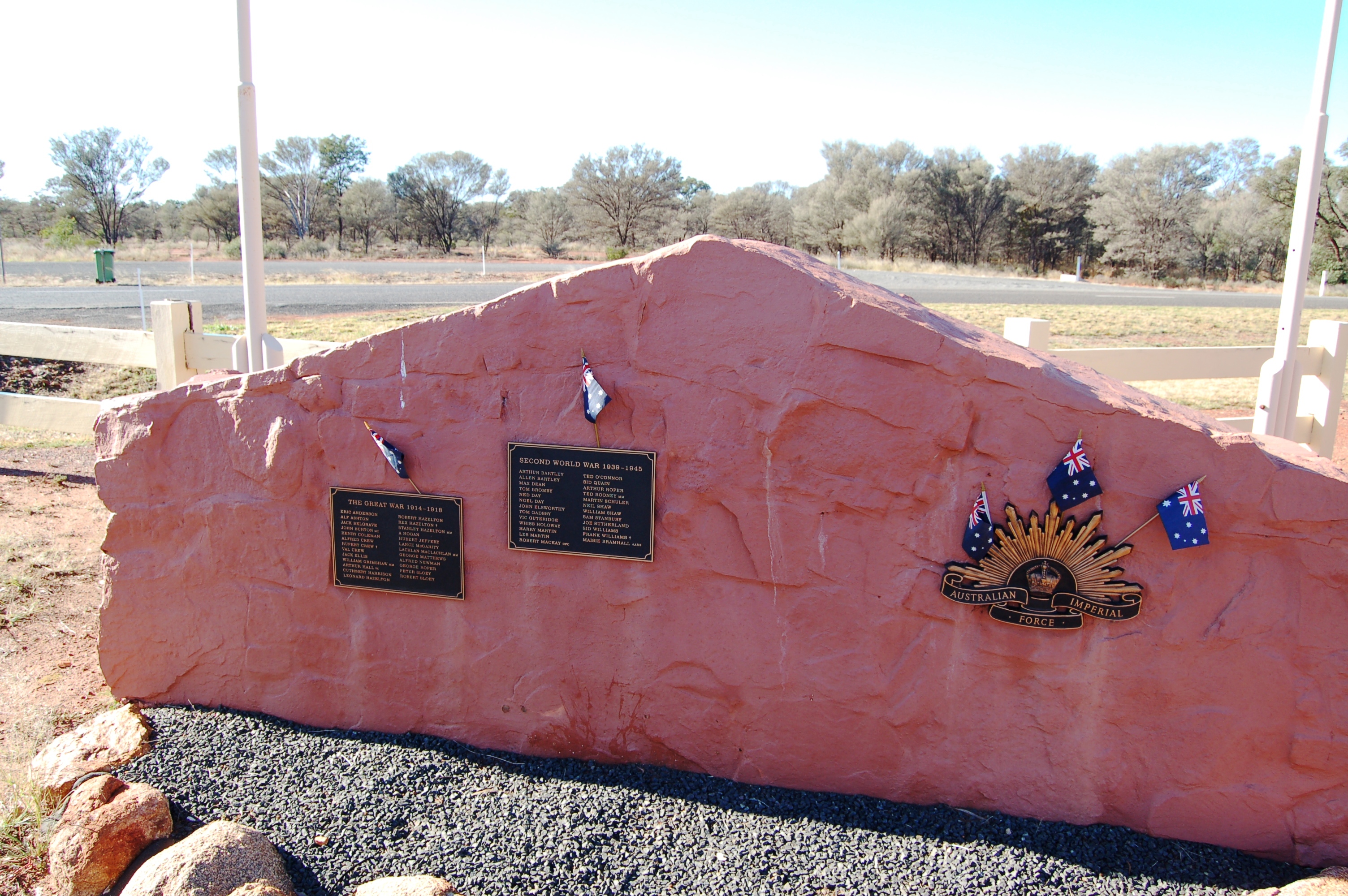

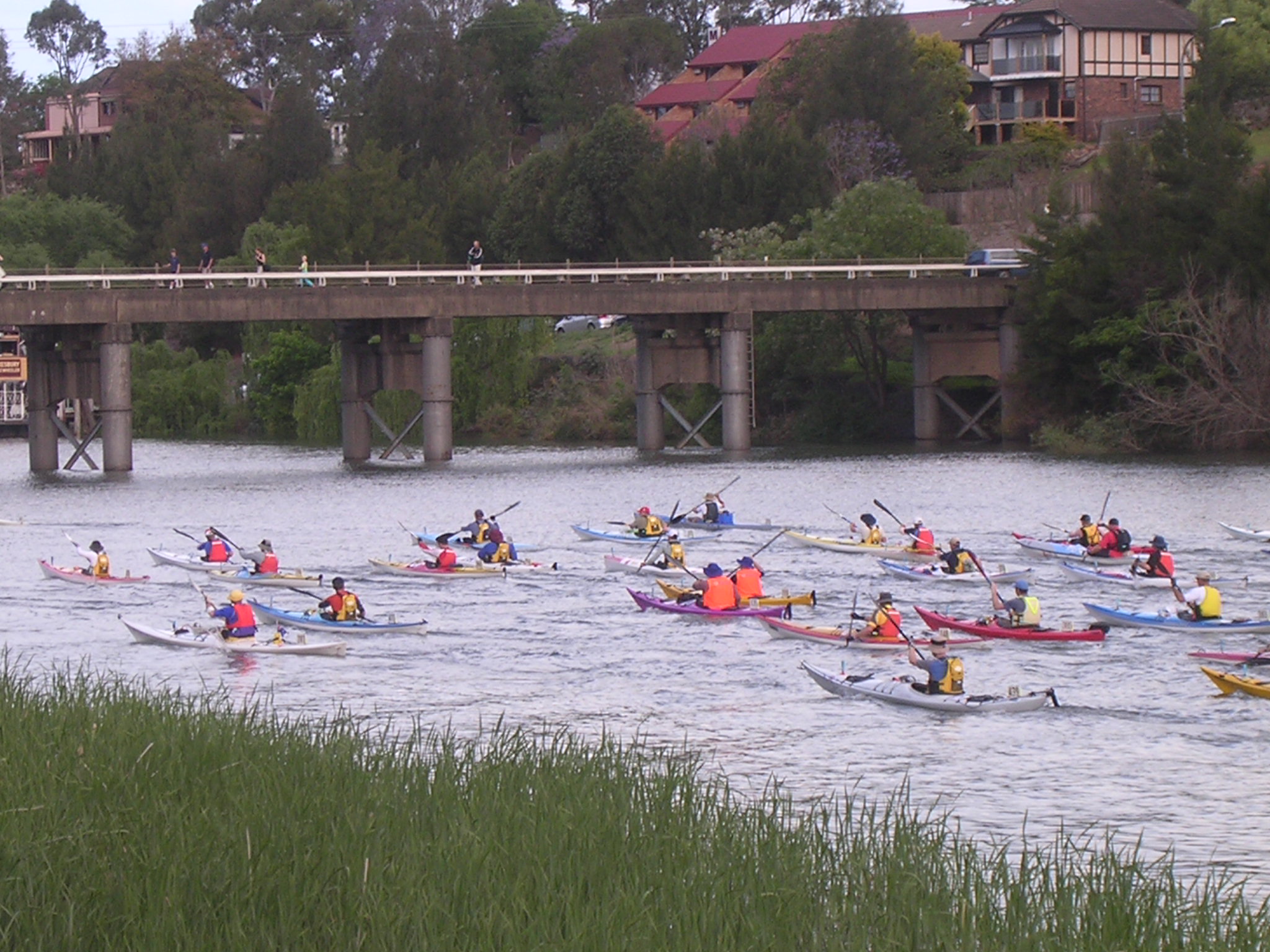
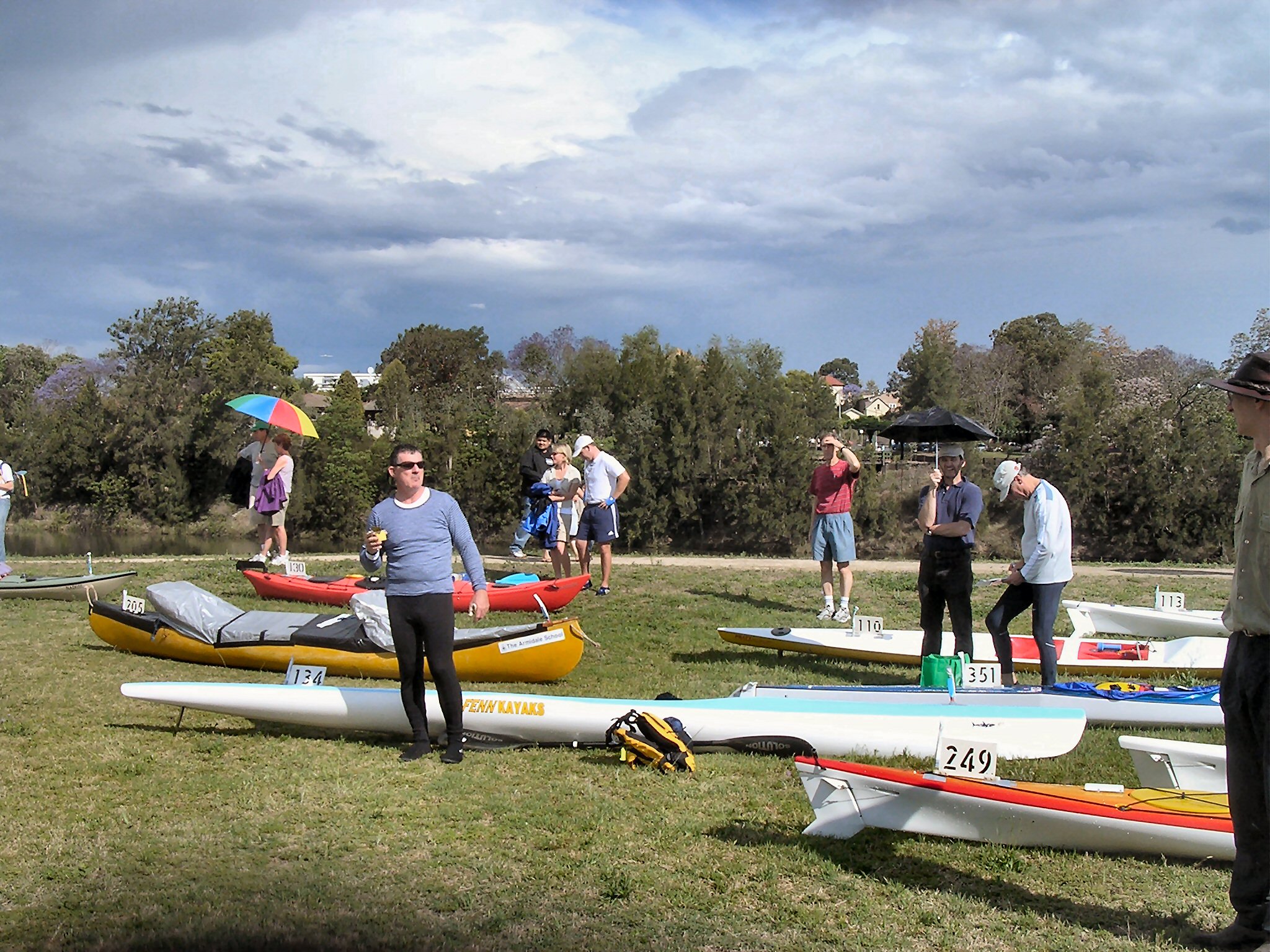
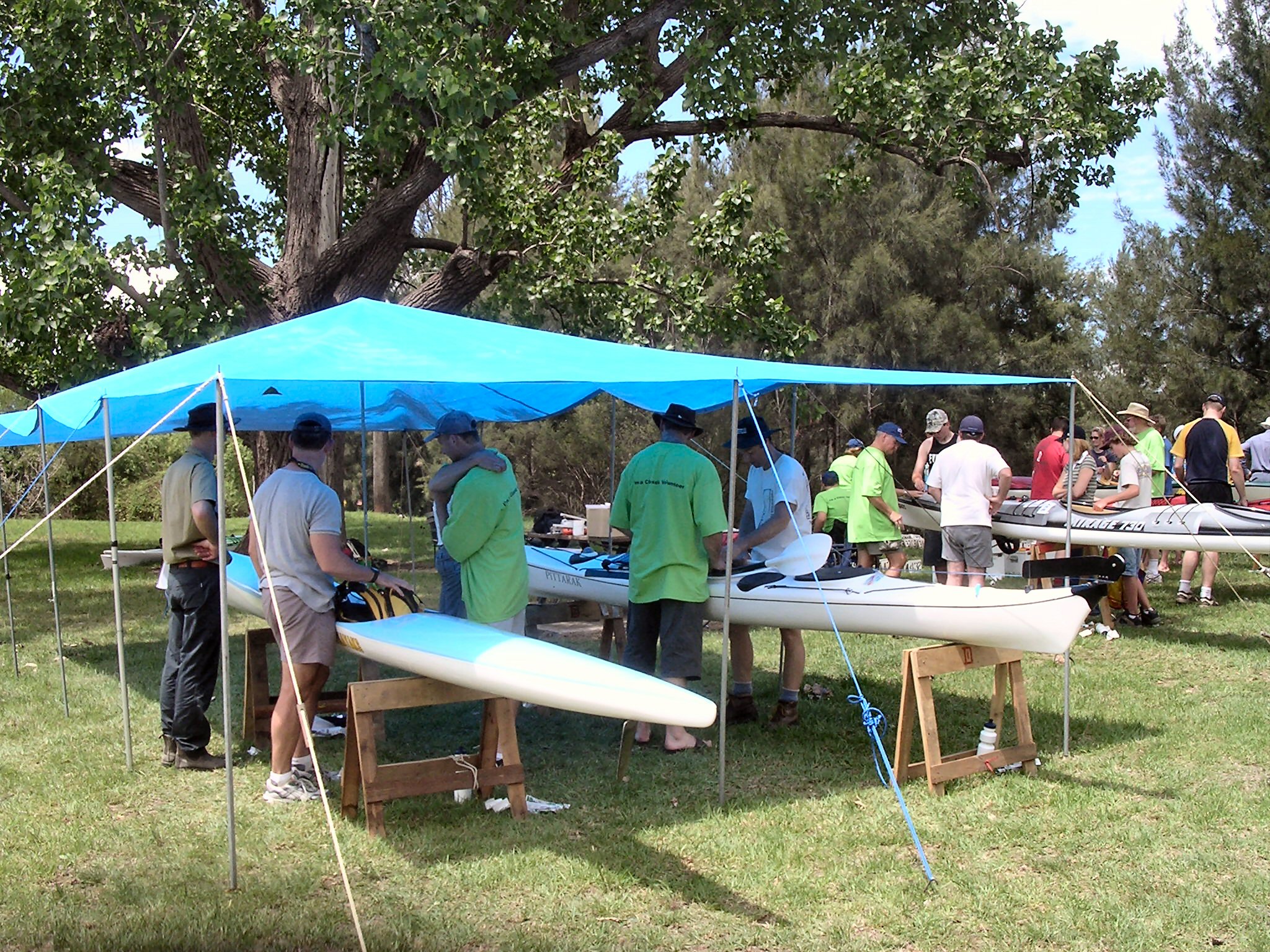
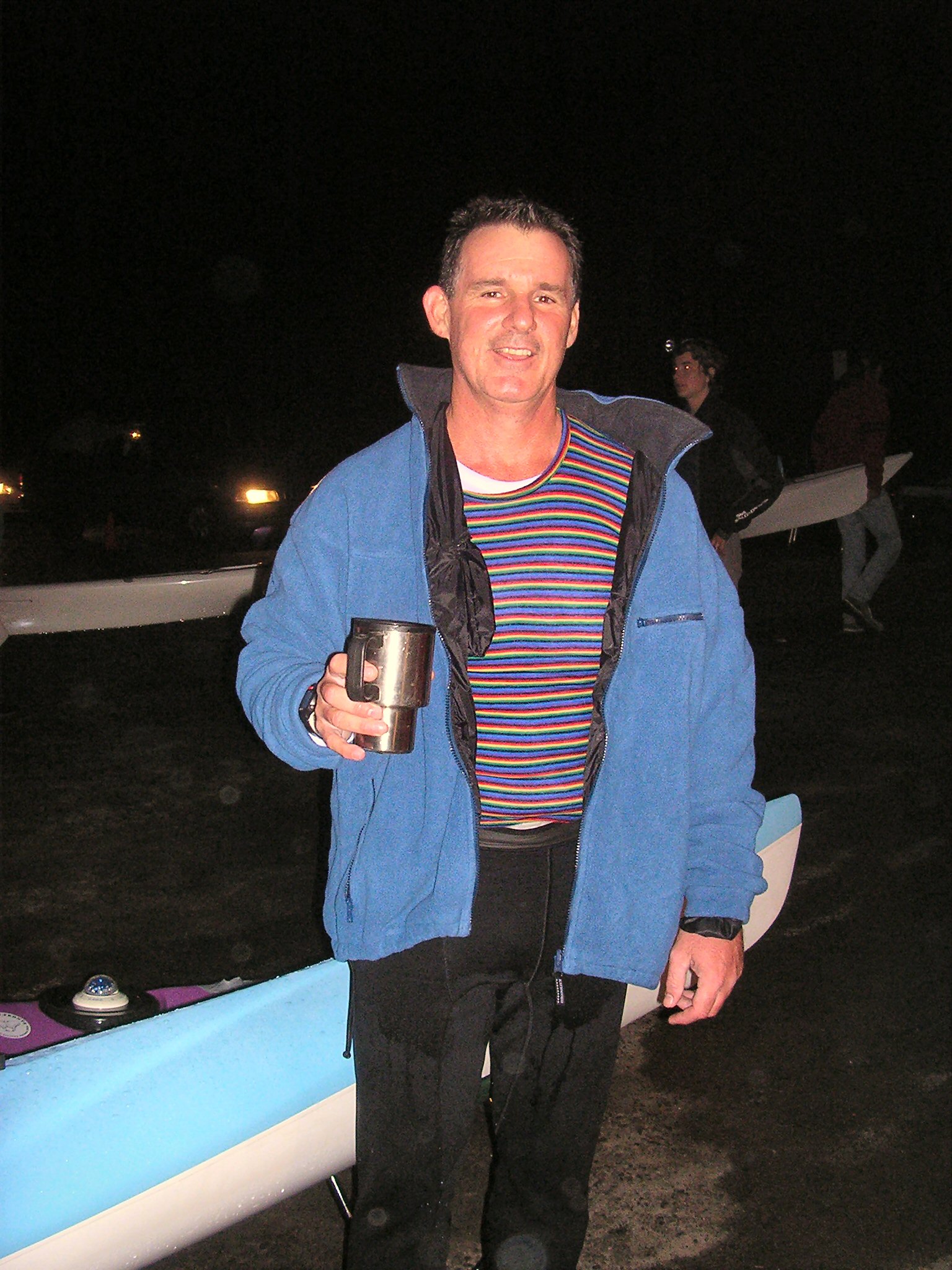

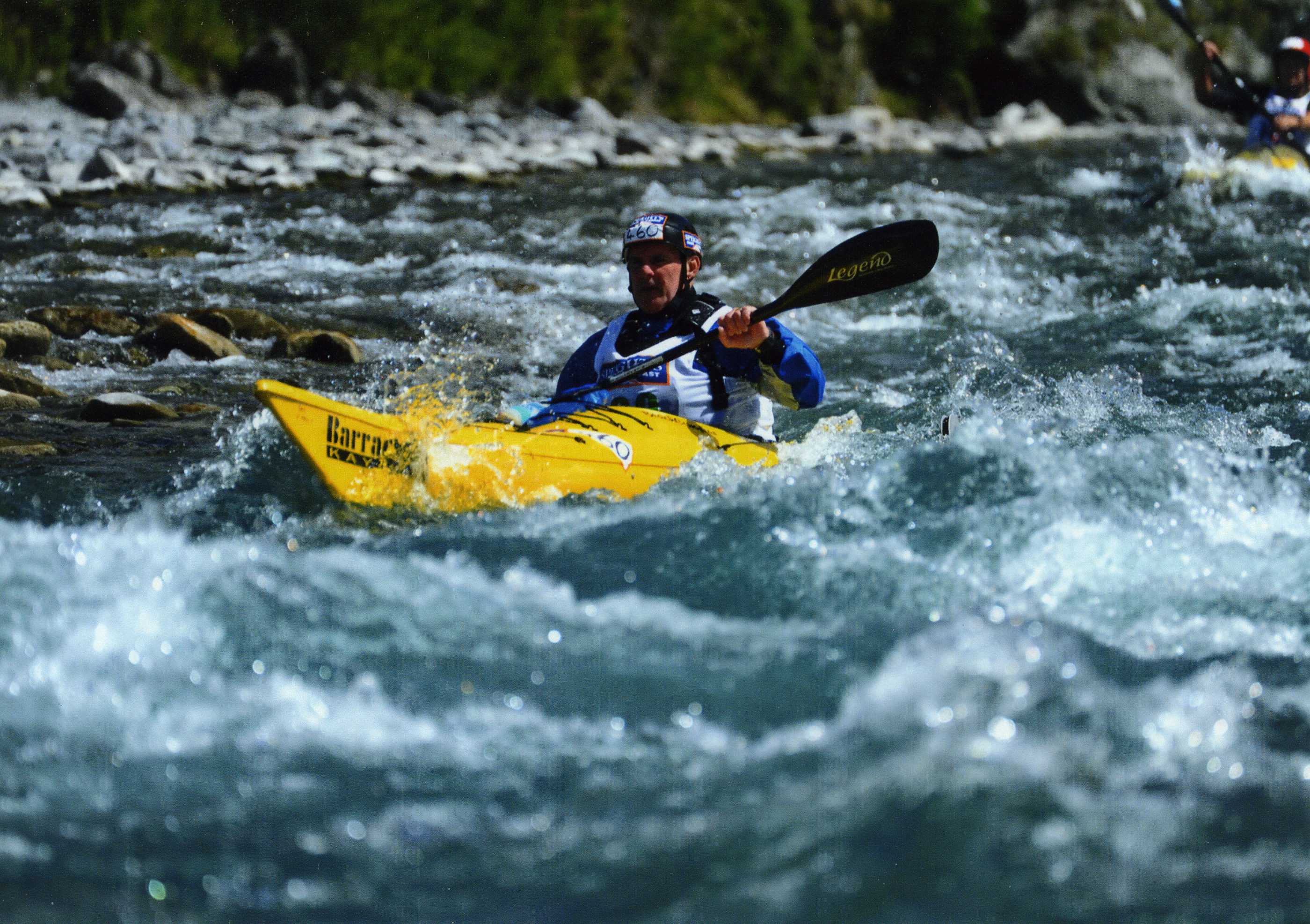
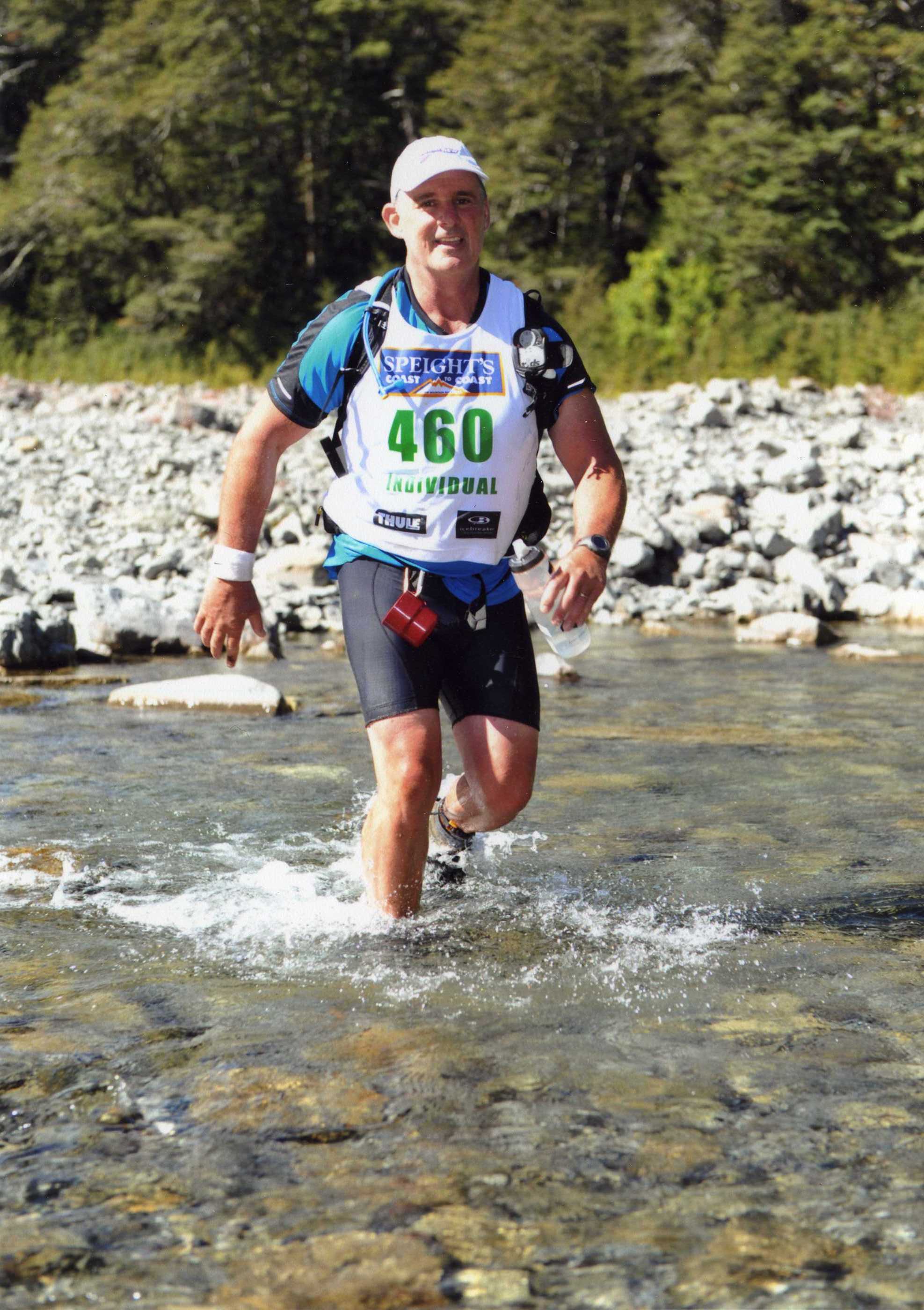
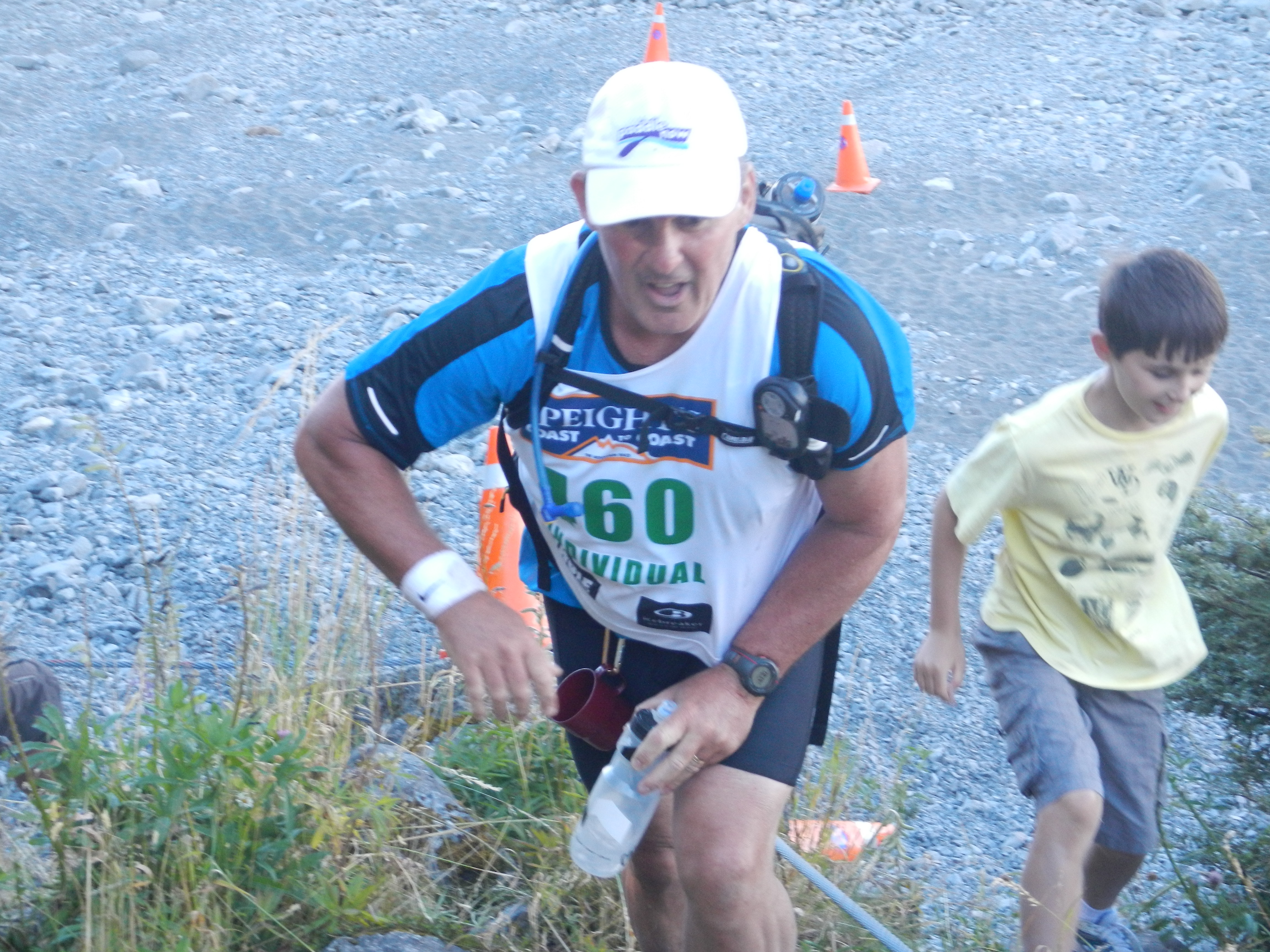
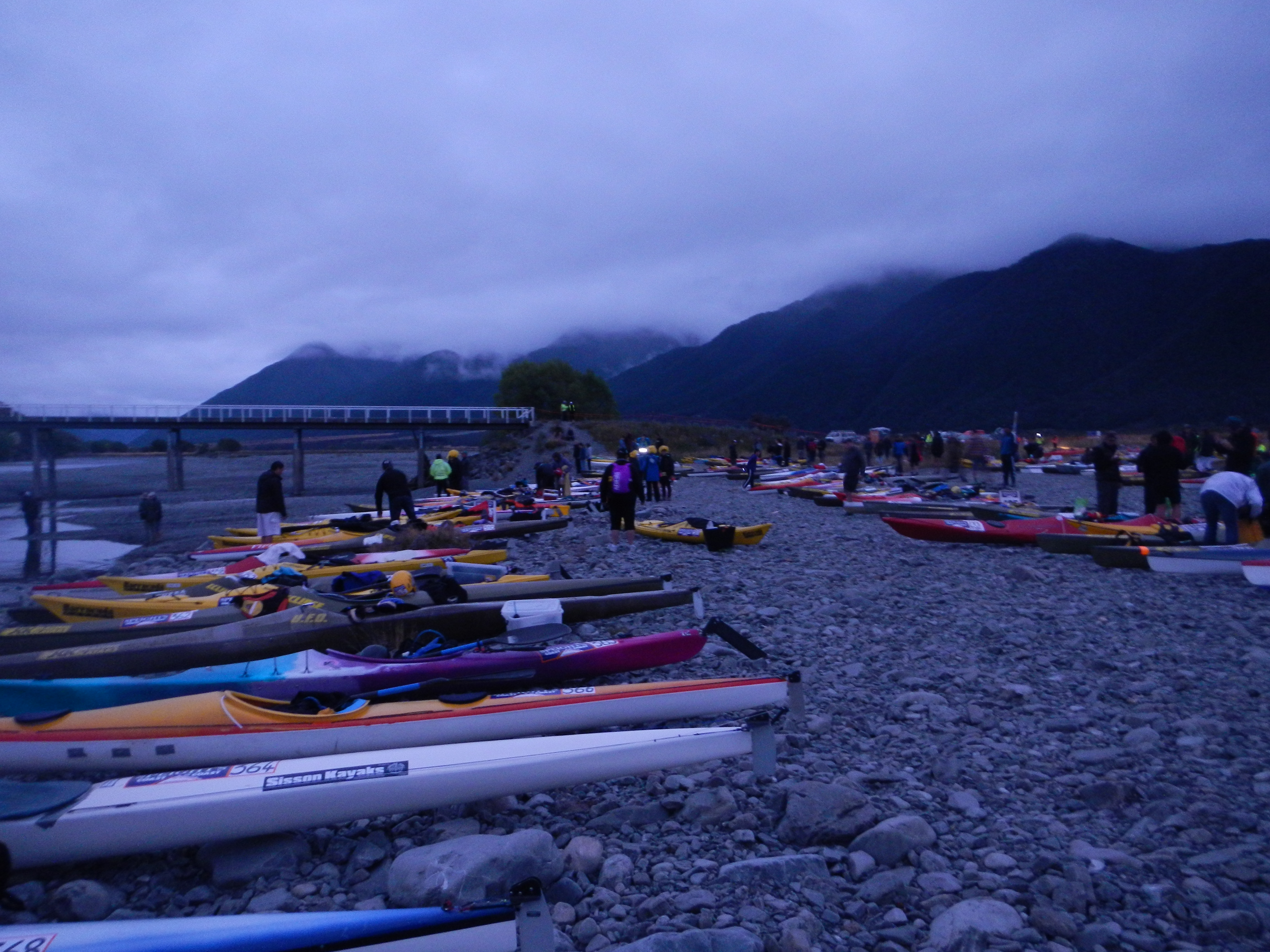
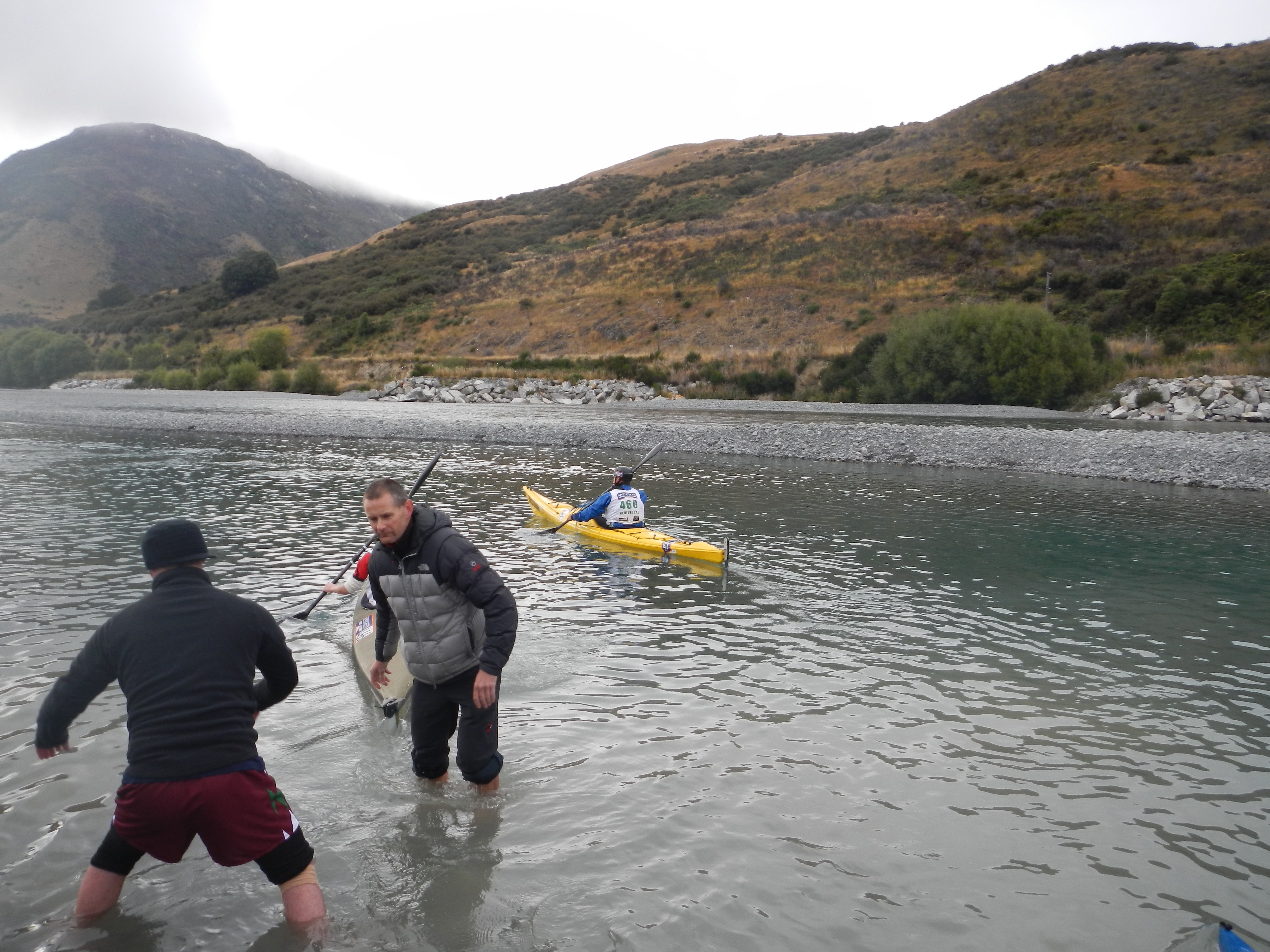
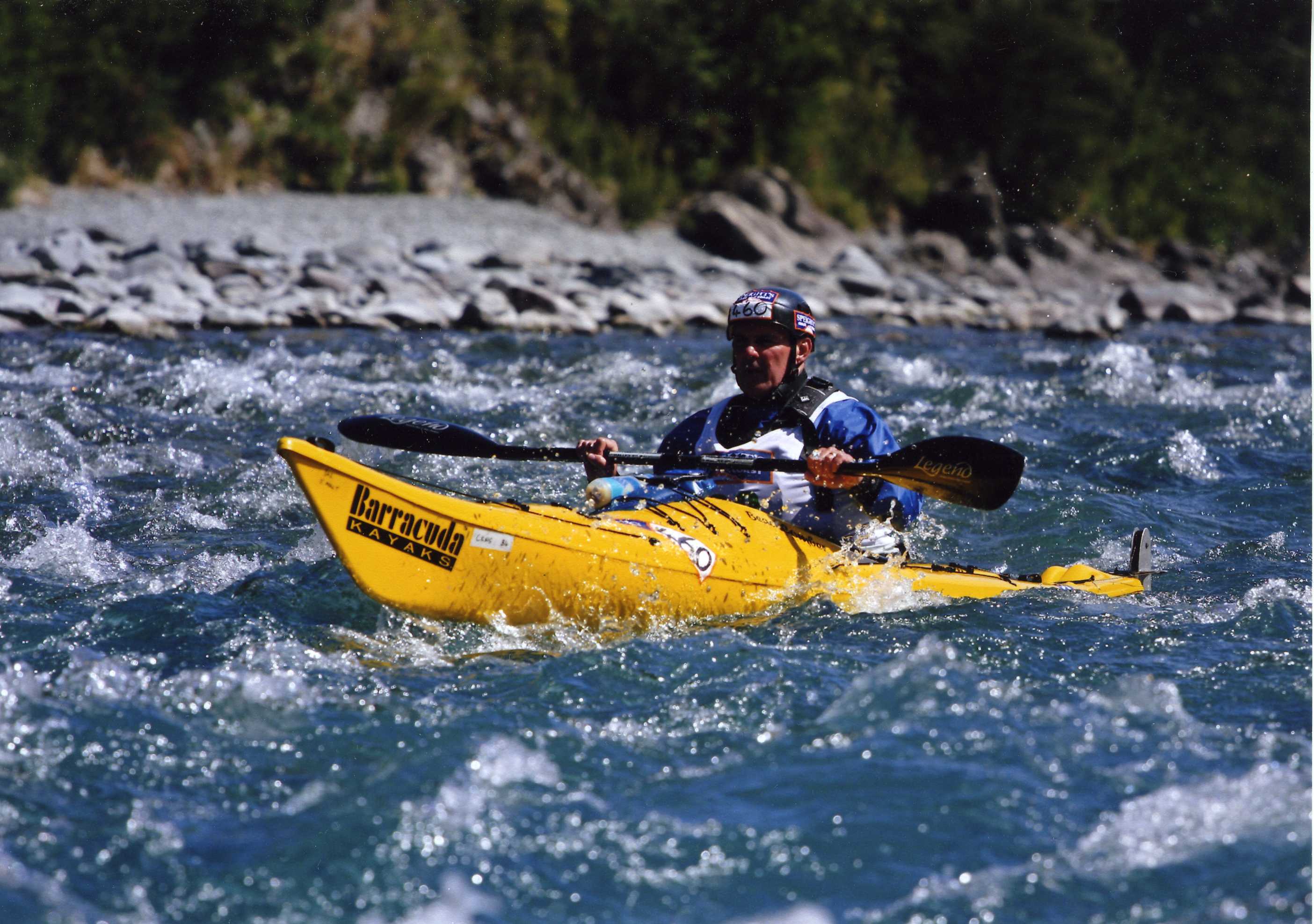
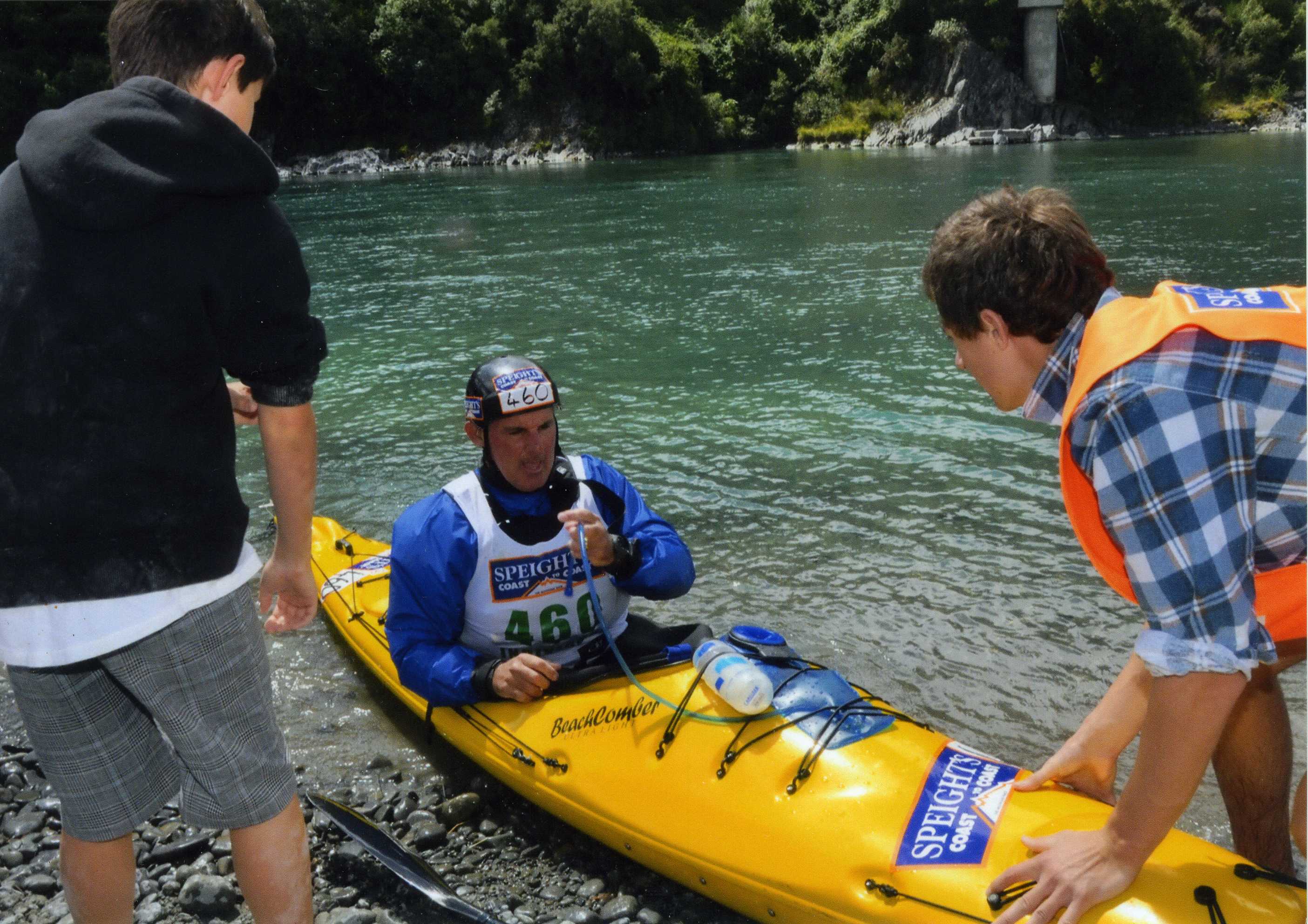
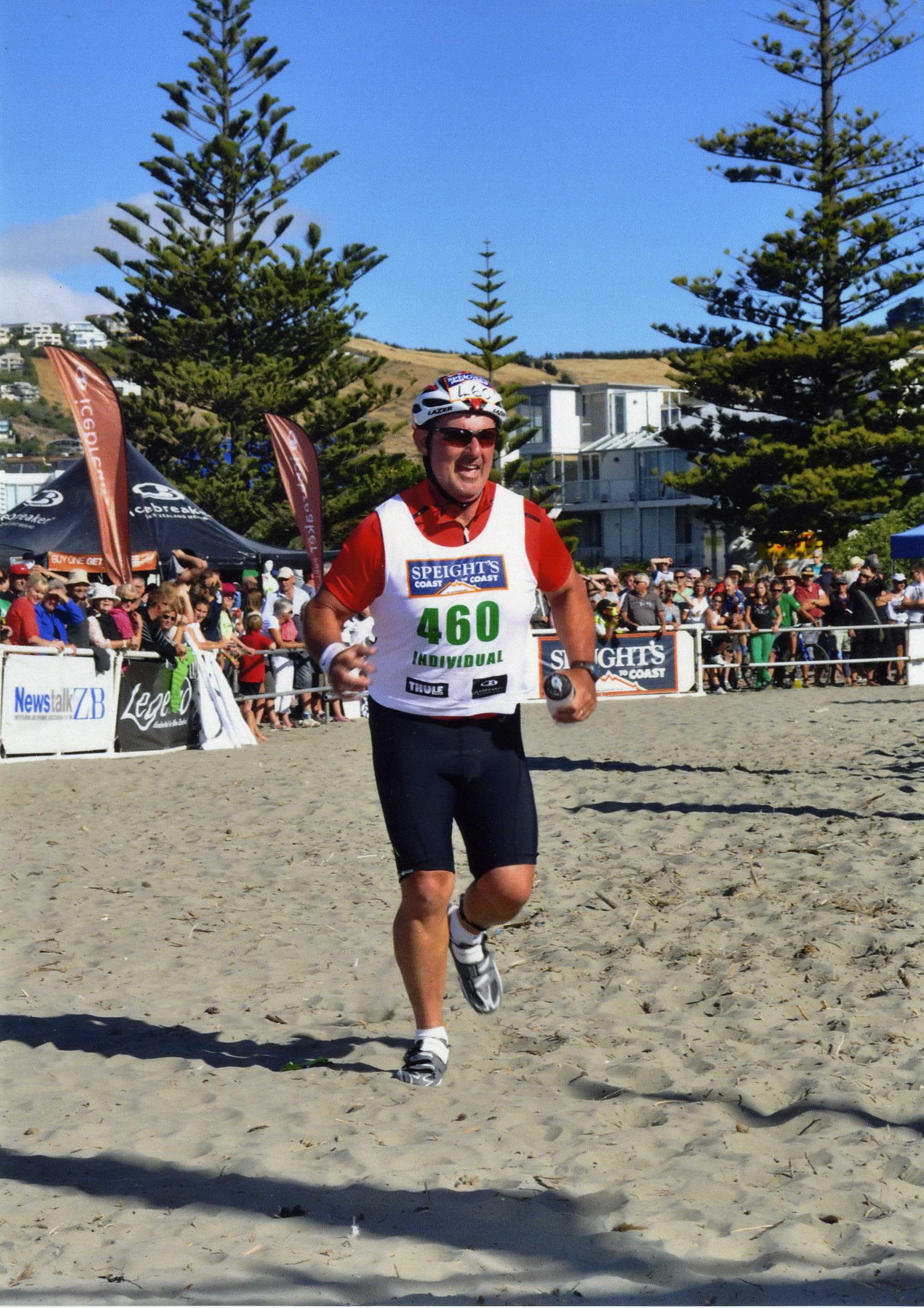

 Xplore